




01. Edit your form online
Type text, add images, blackout confidential details, add comments, highlights and more.

Type text, add images, blackout confidential details, add comments, highlights and more.

Draw your signature, type it, upload its image, or use your mobile device as a signature pad.

Send it via email, link, or fax. You can also download it, export it or print it out.
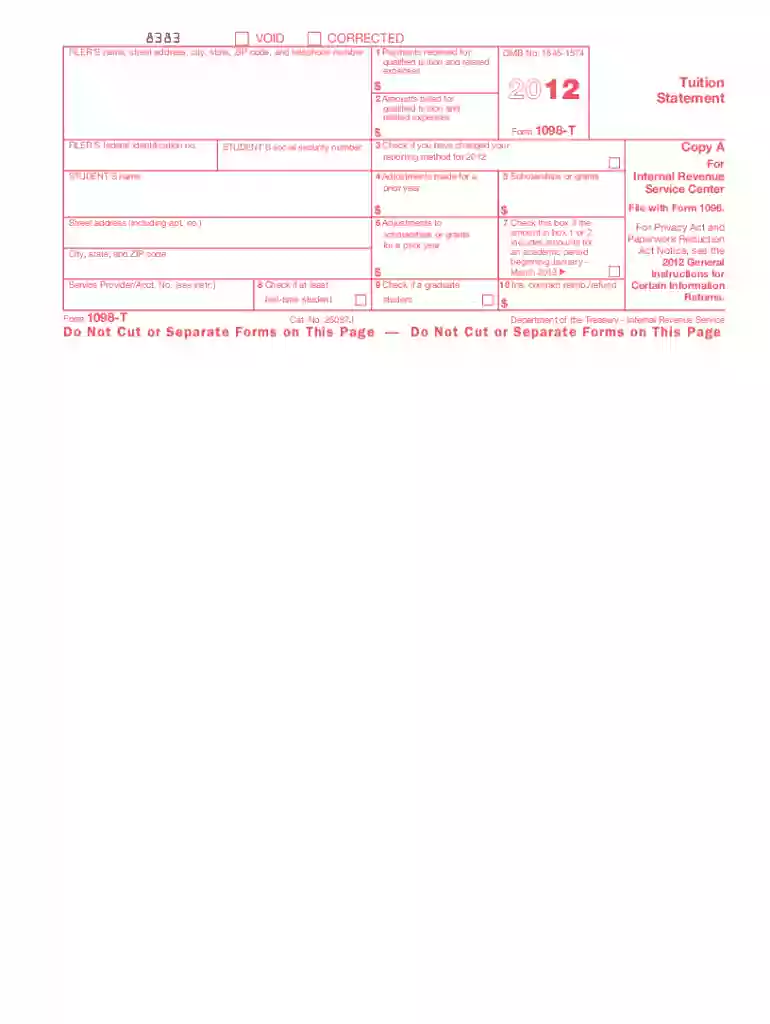
Form 1098-T is an information form used by eligible educational institutions to report qualified tuition and related expenses to both students and the Internal Revenue Service (IRS). It primarily serves to inform the IRS and students about the amount of education-related expenses paid during a tax year. This data is instrumental for students and their families when calculating education tax credits, such as the American Opportunity Credit and the Lifetime Learning Credit, which could significantly reduce their tax liability.
Understanding these components aids in accurately interpreting the form for tax purposes.
Using Form 1098-T is essential for claiming education tax benefits. Recipients should carefully review the form’s entries to ensure each part aligns with their personal records of tuition payments and scholarships.
Consider a student at XYZ University who received a Form 1098-T showing $5,000 in tuition and $2,000 in scholarships. The student can report $3,000 in qualified educational expenses when claiming the American Opportunity Credit, assuming they meet all other eligibility criteria.
Educational institutions typically issue Form 1098-Ts to students by January 31 of the year following the tax year. Schools often provide electronic access through student portals or mail physical copies directly to students' registered addresses.
Contact your school’s financial services or bursar’s office if you encounter difficulties obtaining your form.
The completion of the Form 1098-T by educational institutions is necessary for accurate reporting. Although students do not fill out the form themselves, they must understand the fields to effectively use the information.
For a student, ensuring Box 1 reflects all payments they made is crucial. If discrepancies are found, they should request verification and potential correction from their institution to avoid issues with tax filings.
Form 1098-T is pivotal for taxpayers seeking education tax credits, as it provides verified proof of expenses that align with IRS tax credit eligibility criteria.
Understanding and using Form 1098-T correctly can lead to significant financial savings during tax season, offering a dual benefit to both students and their families.
Educational institutions must comply strictly with the reporting requirements of Form 1098-T. Non-compliance can result in penalties and fines.
Institutions should employ diligent record-keeping practices to ensure accuracy and timeliness in their reporting processes.
Although Form 1098-T is a federal tax form, some states may have additional requirements or modifications concerning tuition reporting. These variations can influence how state taxes are determined.
In California, residents might need extra documentation to take advantage of specific state education-related credits, reinforcing the necessity of understanding both federal and state obligations.
The IRS provides comprehensive guidelines related to Form 1098-T submissions, focusing on who must receive the form, required information, and deadlines.
These guidelines ensure both educational institutions and students accurately navigate the tax implications of Form 1098-T.
By thoroughly understanding, accurately utilizing, and effectively reviewing the elements of Form 1098-T, recipients can maximize their opportunities for educational tax benefits while maintaining compliance with IRS requirements.
We've got more versions of the 2012 1098 t form form. Select the right 2012 1098 t form version from the list and start editing it straight away!
| Versions | Form popularity | Fillable & printable |
|---|---|---|
| 2025 | 4.9 Satisfied (34 Votes) | |
| 2024 | 4.8 Satisfied (55 Votes) | |
| 2023 | 4.8 Satisfied (33 Votes) | |
| 2022 | 4.4 Satisfied (34 Votes) | |
| 2021 | 4.8 Satisfied (202 Votes) | |
| 2020 | 4.3 Satisfied (105 Votes) | |
| 2019 | 4.4 Satisfied (170 Votes) | |
| 2018 | 4.2 Satisfied (74 Votes) | |
| 2017 | 4.4 Satisfied (338 Votes) | |
| 2016 | 4.4 Satisfied (474 Votes) | |
| 2015 | 4.4 Satisfied (146 Votes) | |
| 2014 | 4 Satisfied (49 Votes) | |
| 2013 | 4.2 Satisfied (52 Votes) | |
| 2012 | 3.8 Satisfied (33 Votes) | |
| 2011 | 4.2 Satisfied (54 Votes) |
At DocHub, your data security is our priority. We follow HIPAA, SOC2, GDPR, and other standards, so you can work on your documents with confidence.

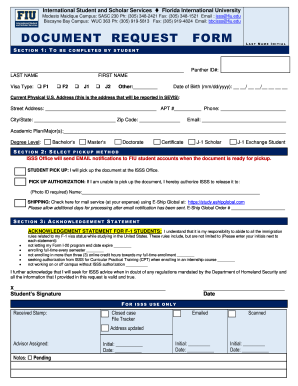
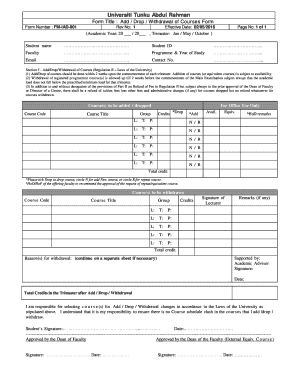


The 1098-T form is a tax form required by the IRS for Higher Education Institutions to send to all active students.Read more
The products you should use to complete Form 1098-T are the 2012 General. Instructions for Certain Information Returns and the. 2012 Instructions for Forms 1098Read more
income tax returns (paper and electronic forms) for Tax Year. 2012 are required to file all original individual income tax returns electronically for TaxRead more


