






Definition & Purpose of a Transaction Coordinator Checklist
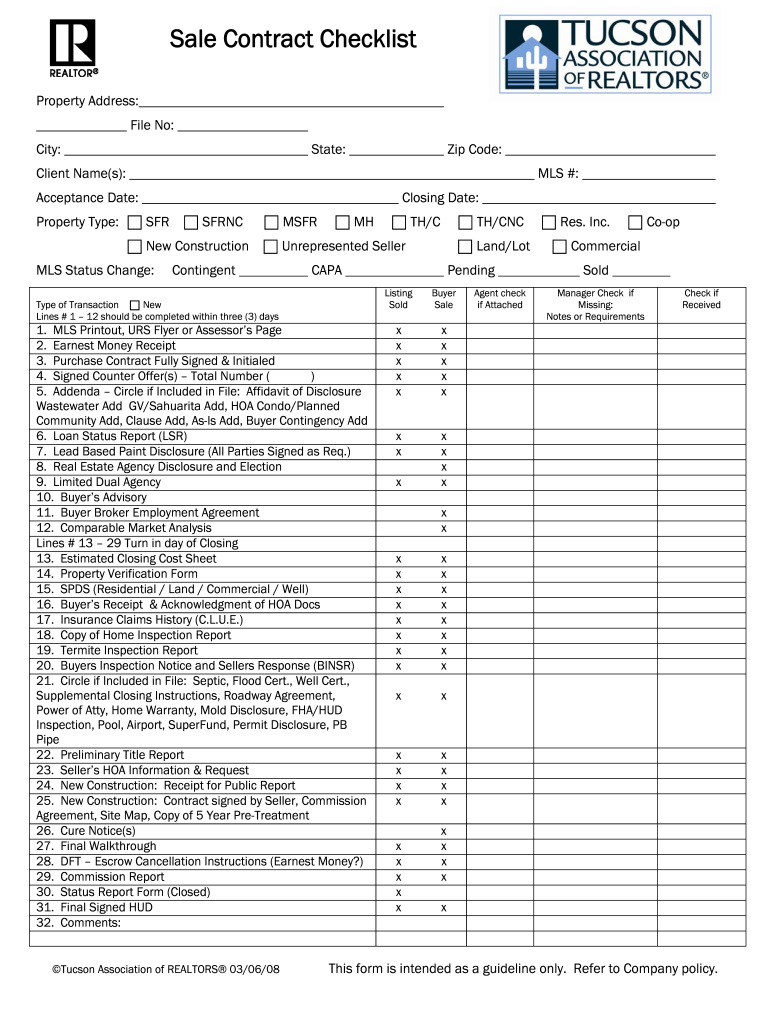
A transaction coordinator checklist is an essential tool used by real estate professionals to streamline the workflow of a property transaction. This checklist primarily aids transaction coordinators in ensuring all necessary documents and steps are completed effectively and within specified timelines. It outlines the required items that must be submitted after a purchase agreement is accepted and additional documentation needed for closing.
Key components often included in a transaction coordinator checklist are:
- Contractual Documents: This includes the purchase contract, disclosures, and any required addenda.
- Inspections and Reports: Any home inspections, pest inspections, or other assessment reports that need to be reviewed.
- Financial Documents: Closing cost estimates and loan approval letters.
- Communication Records: Notes from discussions with clients and communication with other parties involved in the transaction.
Utilizing this checklist helps ensure compliance with both company policies and legal requirements, thereby minimizing the risk of errors that could delay closing.
Steps to Complete the Transaction Coordinator Checklist
Completing a transaction coordinator checklist involves several critical steps that help enhance accuracy and efficiency throughout the real estate transaction process:
-
Initial Review:
- Begin by reviewing the purchase agreement and associated documents to understand the transaction's scope.
- Check for any contingencies that need to be addressed.
-
Document Gathering:
- Compile all required documents such as the purchase contract, disclosures, and inspection reports.
- Ensure that all necessary signatures are obtained on relevant documents.
-
Communication with Stakeholders:
- Regularly communicate with buyers, sellers, agents, and lenders to confirm that all parties are on track.
- Address any arising issues promptly and document all interactions for future reference.
-
Deadline Tracking:
- Establish a timeline for each phase of the transaction and mark important deadlines on the checklist.
- Utilize reminders to ensure no deadlines are missed, ensuring a smoother closing process.
-
Final Review:
- Before pushing forward to closing, conduct a final review of all documents to verify that all items on the checklist have been completed.
- Confirm that all disclosures and required documents are present and signed appropriately.
By following these steps, transaction coordinators can facilitate a seamless transaction experience for all stakeholders involved.
Important Terms Related to Transaction Coordinator Checklists
Understanding the terminology related to a transaction coordinator checklist can significantly enhance a coordinator’s efficiency and effectiveness:
- Contingency: Conditions outlined in a real estate contract that must be fulfilled for the transaction to proceed; common contingencies include home inspections and financing.
- Closing Disclosure: A detailed financial document that outlines the final terms of the loan, including fees and other costs associated with the sale of a property.
- Earnest Money: A deposit made to the seller to demonstrate the buyer’s serious intention in a real estate transaction; typically applied to the purchase price at closing.
- Title Search: An examination of public records to confirm a property’s legal ownership and identify any liens or claims against it.
Familiarity with these terms supports a transaction coordinator in communicating effectively and maintaining compliance throughout the property transaction process.
Legal Use of the Transaction Coordinator Checklist
The legal significance of a transaction coordinator checklist cannot be understated. This checklist serves as a compliance tool for ensuring that all required documentation and processes adhere to federal, state, and local laws governing real estate transactions. Key legal aspects include:
- Compliance with Regulations: Ensures that the transaction adheres to the legal requirements set forth by the state’s real estate commission and other governing bodies.
- Documentation Verification: Helps in verifying that all necessary documents, such as seller disclosures and contracts, are provided to the buyer in a timely manner.
- Record Keeping: Maintains an organized record that can be referenced during audits or in the event of disputes; provides a clear trail of transaction activities.
Failure to comply with these legal requirements can result in penalties or delays in closing, making the checklist an invaluable tool in risk management.
Examples of Using the Transaction Coordinator Checklist
The practical application of a transaction coordinator checklist can be illustrated through common scenarios encountered in real estate transactions. For instance, when a buyer submits an offer on a property, the transaction coordinator utilizes the checklist to ensure all contingencies are met:
-
Example One: First-Time Homebuyer Closing
A first-time homebuyer is navigating the purchase of a single-family home. The transaction coordinator uses the checklist to ensure the buyer receives a copy of the seller's disclosure as required by law. They also track the timeline for the home inspection to ensure it occurs within the stipulated period. -
Example Two: Multiple Offers on a Property
In a competitive market, a property receives multiple offers. The transaction coordinator employs the checklist to ensure that each offer is properly documented, including necessary disclosures, and coordinates communication among involved parties to handle counter-offers effectively.
These examples showcase the flexibility and utility of the checklist in various real-world situations, supporting efficient real estate transactions.