






Definition and Importance of Eyewash Station Log
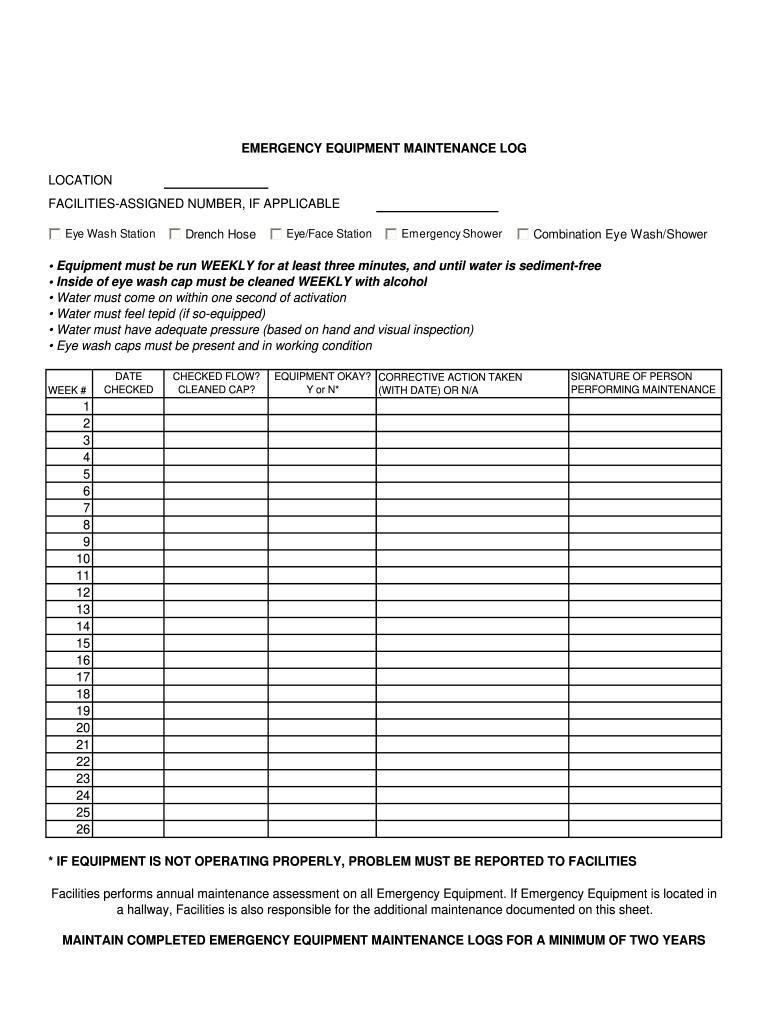
An eyewash station log is a critical safety document used in workplaces where hazardous materials are handled. It tracks inspections and maintenance of eyewash stations, ensuring they function correctly and meet Occupational Safety and Health Administration (OSHA) regulations. Keeping an accurate log is not only a legal requirement in many industries but also essential for worker safety. Regular logging helps identify potential issues early and ensures that employees have access to clean and properly maintained eyewash stations in the event of an emergency.
This log typically includes details such as the date of inspection, the name of the inspector, any issues found, and actions taken to resolve those issues. Regular inspection ensures that eyewash stations are functional and that any necessary repairs or maintenance are promptly addressed, thus reducing the risk of workplace injuries relating to chemical exposure.
Weekly Inspection Procedures for Eyewash Stations
To maintain compliance and ensure safety, workplaces must adhere to specific procedures for conducting weekly inspections of eyewash stations. These procedures outline essential tasks that need to be completed during each inspection and how to document the findings effectively.
- Visual Check: Inspect the station's location and ensure it is free from obstruction and easily accessible.
- Functionality Test: Activate the eyewash station to ensure that water flows freely without any obstructions. This includes checking the water pressure and ensuring correct water temperature.
- Cleanliness Assessment: Examine the eyewash station for cleanliness, checking for debris or contamination that could affect use in an emergency.
- Water Quality Check: Ensure that the water is clean and free from any contaminants. The station should have a method for draining and maintaining clean water.
Document each step in the eyewash station log to provide a clear history of maintenance and inspections. Keeping a consistent record aids in identifying trends and recurring issues over time.
Key Elements of an Eyewash Station Inspection Checklist
An effective eyewash station inspection checklist is indispensable for ensuring that all necessary criteria are considered during inspections. Below are key elements to include in the checklist.
- Accessibility: Check that the eyewash station is clearly marked and that pathways to it are unobstructed.
- Functionality of Equipment: Assess that both the eyewash and safety shower are functional, with a focus on the pressure and quality of the water.
- Maintenance Record: Review the existing maintenance records. Ensure completed actions are documented and any outstanding issues are addressed.
- Water Temperature and Flow Rate: Monitor and record both water flow rate and temperature to ensure they meet safety standards, which typically require tepid water (60-100 degrees Fahrenheit).
Utilizing these elements in daily checks can help ensure compliance with OSHA regulations and foster a culture of safety in the workplace.
Legal Requirements and OSHA Compliance
Employers are responsible for maintaining eyewash stations as part of their commitment to workplace safety. OSHA stipulates specific requirements regarding the installation and maintenance of eyewash stations. Failure to comply with these regulations can result in significant penalties. Key compliance points include:
- Location Requirements: Eyewash stations must be within a 10-second travel distance from areas where harmful substances are handled.
- Regular Maintenance: Eyewash stations must be inspected weekly, with logs to document these inspections and any corrective actions taken.
- Documentation: Employers are required to keep eyewash station logs for at least two years, documenting inspection frequency, maintenance actions, and any repairs performed.
Employers should ensure that their eyewash station log is comprehensive and updated regularly to mitigate liability and protect employees.
Practical Examples of Eyewash Station Log Application
Implementing an eyewash station log can vary based on the type of workplace and the materials handling practices in place. Here are some practical scenarios:
-
Laboratories: In laboratories where chemicals are handled, logs must detail the cleaning of eyewash stations after each use to ensure they are free from contamination.
-
Manufacturing Facilities: In manufacturing settings, weekly logs might include notes on any repairs to plumbing systems affecting eyewash functionality as well as worker training sessions on how to use the eyewash stations properly.
-
Construction Sites: At construction sites, logs should account for frequent environmental changes. Regular checks during extreme weather conditions like rain or snow ensure water supply remains functional and clean.
These examples illustrate the versatile application of eyewash station logs across various industries and underscore the importance of maintaining these records as part of a broader workplace safety protocol.
Summary of Eyewash Station Maintenance Requirements
Maintaining eyewash stations involves several core activities and best practices, including:
-
Scheduled Inspections: Conduct regular inspections and document findings in the eyewash station log.
-
Employee Training: Provide training to employees about the location and operation of eyewash stations as part of safety orientation.
-
Emergency Preparedness: Incorporate eyewash station checks into emergency preparedness drills and ensure all employees know the procedures during an incident.
By adhering to these maintenance requirements, organizations can uphold safety standards while minimizing risk and potential injury in the workplace.