
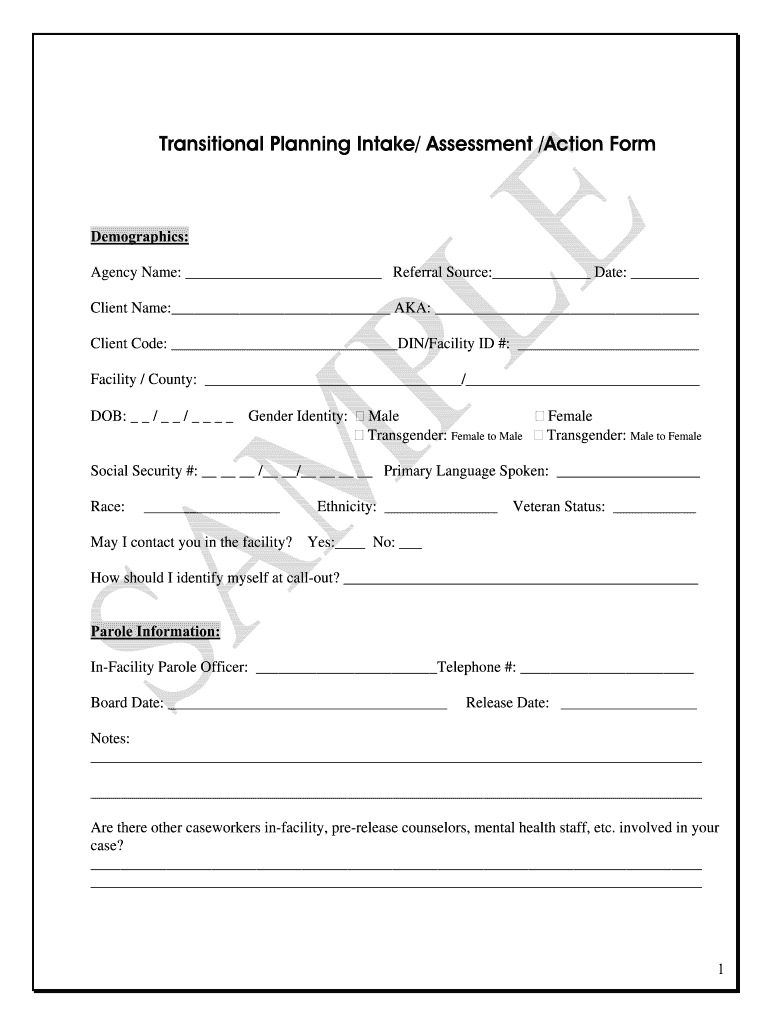







Definition and Purpose of Intake Forms for Transition Housing
Intake forms for transition housing are essential documents designed to gather critical information about individuals seeking housing assistance. These forms serve a dual purpose: they help organizations assess client needs and facilitate appropriate housing placements. The intake process is vital for ensuring that clients receive the services and support they require to transition successfully into stable housing.
Key Information Collected
- Demographic Details: This includes the client's name, age, gender, and contact information, which helps in establishing a profile for each individual.
- Health History: Specific questions may relate to physical and mental health, including any history of substance abuse, ensuring that any necessary medical support can be offered.
- Social Background: Understanding clients’ social relationships, family dynamics, and community connections is important for tailored support.
- Housing Needs: Questions regarding current living situations, previous homelessness, and preferred housing types guide organizations in understanding the urgency and specifics of the client’s needs.
These intake forms are broadly used by housing programs, local government agencies, and non-profit organizations that provide transitional housing solutions.
Steps to Complete the Intake Forms System for Transition Housing
Completing the intake forms for transition housing involves several critical steps to ensure accuracy and comprehensiveness. Properly filling out these forms allows organizations to respond effectively to the individual needs of clients.
-
Gather Required Information: Before starting, clients should collect all necessary documents, including identification, medical records, and income information. This preparation helps streamline the process.
-
Fill Out Personal Details: Begin by entering basic demographic information. Accuracy is crucial here as it aids in proper identification and fosters effective communication.
-
Provide Health and Social Information: Next, clients need to disclose any relevant health issues alongside social circumstances. It’s important to be honest and thorough to ensure that the appropriate support can be provided.
-
Specify Housing Preferences: Clients should indicate their housing needs and preferences clearly. This includes any specific requirements related to accessibility, location, and type of dwelling.
-
Review and Submit the Form: After completing all sections, clients should carefully review the form for any errors or omissions. Submission is usually done through the organization’s preferred method, either online, via mail, or in-person.
Important Considerations for Using Intake Forms in Transition Housing
Using intake forms effectively calls for an understanding of their broader implications and the context in which they are filled. Below are several considerations that individuals and organizations should bear in mind:
-
Confidentiality: The information disclosed in the intake forms is sensitive. Ensuring confidentiality is paramount, and organizations must have procedures in place to protect client data.
-
Cultural Sensitivity: Language and cultural nuances should be taken into account when designing these forms so that they are accessible to diverse populations. Providing forms in multiple languages may also be beneficial.
-
Legal Compliance: Organizations must ensure that the intake forms comply with local and federal laws regarding housing and health information privacy. This often includes adherence to the Fair Housing Act and the Health Insurance Portability and Accountability Act (HIPAA) standards.
Examples of Transition Housing Programs Utilizing Intake Forms
To illustrate the application of intake forms in real-world scenarios, consider the following examples of different housing programs that utilize these forms:
-
Emergency Shelters: These facilities often require an expedited intake process. Clients fill out intake forms upon entry, helping staff quickly assess their needs and connect them with immediate resources such as food, shelter, and medical assistance.
-
Long-Term Transitional Housing: Programs focused on longer stays may use detailed intake forms that gather extensive background information. This approach allows for a thorough understanding of the client’s situation and builds a more personalized plan for supportive services.
-
Supportive Housing Programs: These initiatives often cater to specific populations, such as veterans or individuals emerging from substance use treatment. Custom intake forms might include specific questions that relate directly to the unique challenges these populations face.
Key Elements of an Effective Intake Form for Transition Housing
An effective intake form consists of several critical components that enhance its utility and relevance for both clients and service providers.
-
Clarity and Simplicity: The language used should be plain and straightforward, minimizing jargon to promote comprehension. Clear instructions for each section can aid in reducing confusion.
-
Comprehensive Field Options: Include a variety of fillable field types such as text boxes, checkboxes, and dropdown menus to accommodate various response types. This structure allows clients to provide detailed and relevant information efficiently.
-
Accessibility Features: Ensure the form is accessible to individuals with disabilities. This may involve using larger font sizes, clear layouts, or digital features compatible with screen reading software.
-
Feedback Mechanisms: Offer clients an opportunity to ask questions or provide feedback about the intake process. This can improve future iterations of the form and enhance service delivery.
By incorporating these key elements, housing programs can enhance the effectiveness of their intake forms and, consequently, the transition process for clients.




