Inspection roofing p 2026

Get Form
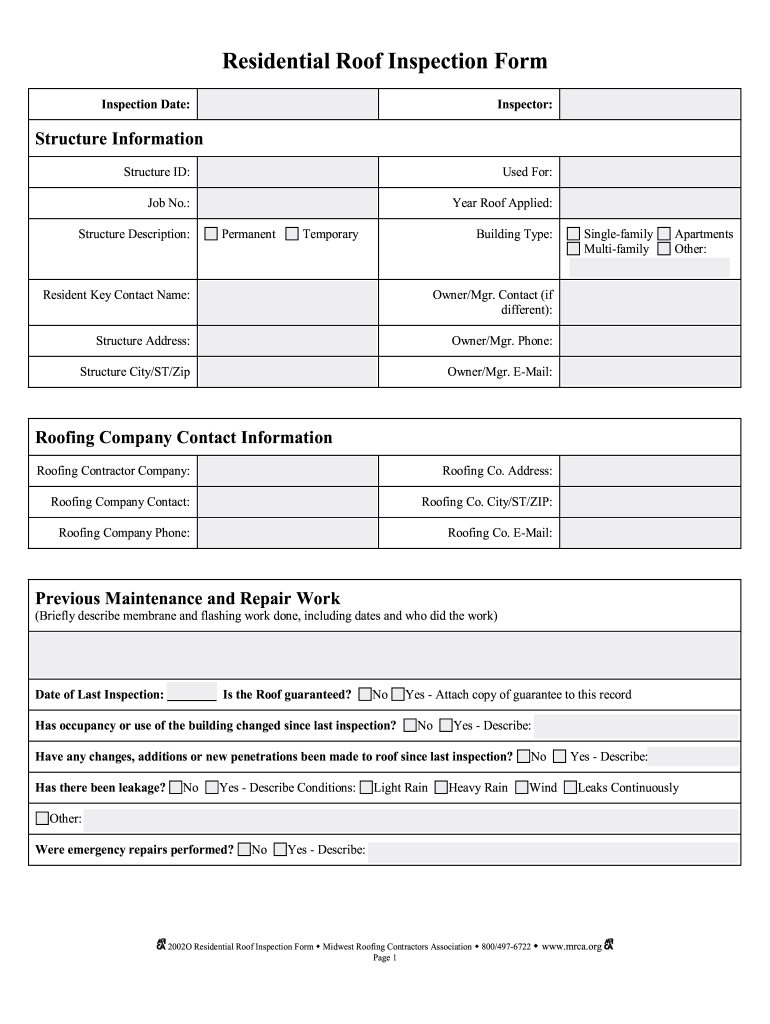
roof inspection report template Preview on Page 1

Here's how it works

01. Edit your roof inspection report template online
Type text, add images, blackout confidential details, add comments, highlights and more.
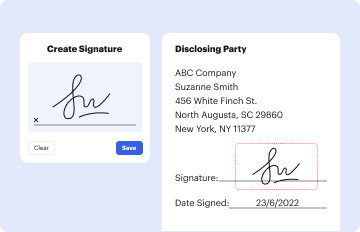
02. Sign it in a few clicks
Draw your signature, type it, upload its image, or use your mobile device as a signature pad.
03. Share your form with others
Send roof inspection form pdf via email, link, or fax. You can also download it, export it or print it out.

How to use or fill out inspection roofing p with our platform

Form edit decoration
9.5
Ease of Setup
DocHub User Ratings on G2
9.0
Ease of Use
DocHub User Ratings on G2
  1. Click ‘Get Form’ to open the inspection roofing p in the editor.
  2. Begin by entering the 'Inspection Date' and 'Inspector' details at the top of the form. This establishes the context for your inspection.
  3. Fill in the 'Structure Information' section, including 'Structure ID', 'Used For', and 'Job No.'. Be sure to specify whether the roof is permanent or temporary.
  4. Provide contact information for the owner or manager, including phone number and email, ensuring all fields are accurately completed.
  5. In the 'Previous Maintenance and Repair Work' section, detail any past work done on the roof, including dates and contractors involved.
  6. Assess and mark conditions in various areas such as interior, exterior walls, drains, and penetrations using codes (G, F, P) provided in each section.
  7. Finally, attach any photographic evidence or additional notes as needed before saving your completed form.

Start using our platform today to streamline your roofing inspections for free!

be ready to get more

Complete this form in 5 minutes or less

Get form

Got questions?

We have answers to the most popular questions from our customers. If you can't find an answer to your question, please contact us.
Contact us
A roof inspection involves a professional checking the roofs exterior materials (shingles, flashing, vents, gutters) for damage like cracks, curling, or missing pieces, assessing the attic for proper insulation, ventilation, and water intrusion (mold, stains), and examining the underlying structure for sagging or rot, ensuring overall water drainage and structural integrity. Inspectors look for leaks, structural issues, and signs of wear, sometimes using drones or thermal cameras, to prevent costly future repairs. Exterior Inspection Roofing Materials: Checks for curled, cracked, loose, or missing shingles/tiles, granule loss, and proper fastener security. Flashing Seals: Examines metal flashing around chimneys, vents, and valleys for rust, damage, or gaps, and checks rubber boots on pipes for dry rot. Gutters Downspouts: Ensures they are clear, properly attached, and directing water away from the foundation. Soffits Fascia: Looks for rot, damage, or signs of pests. Chimneys: Inspects for cracks, damaged caps, or crumbling mortar. Attic Interior Inspection Ventilation: Checks attic vents (intake and exhaust) for blockage or insufficient airflow. Insulation: Looks for dampness, mold, or compression that reduces effectiveness. Decking Structure: Looks for water stains, mold, sagging, or light coming through the roof deck, indicating holes or rot. Structural Safety Assessment Roof Deck: Checks for soft spots or sagging on the plywood/decking. Drainage: Assesses overall water flow and potential for ice dams (in cold climates). Trees: Notes overhanging branches that could damage the roof. Tools Used Visual Inspection: From the ground and on the roof. Drones: For high-angle views. Thermal Imaging: Detects hidden moisture or heat loss. AI can make mistakes, so double-check responsesRoofing Inspection GuideFeb 16, 2023Owens CorningWhat Does a Roof Inspection Consist Of?Nov 11, 2024 Advanced Inspection Techniques Modern roof inspections use advanced technologies like infrared, aerial, and satellite Sunnyside Roofing LLC
What is a 4-point inspection? The short answer is that its a thorough examination of a houses condition that focuses on four major components: Electrical, plumbing, roofing, and the heating, ventilation and air-conditioning system.Oct 25, 2025
The different types of OSHA inspections consist of the following: Employee Complaint Inspections. Imminent Danger Inspections. Programmed Scheduled Inspections. Investigative Inspections. Follow-Up Inspections.
The 25% rule in roofing, primarily a Florida Building Code guideline, states that if more than 25% of a roofs surface needs repair, replacement, or recovery within a 12-month period, the entire roof must be replaced to meet current code standards, often triggered by storm damage. This rule ensures older, potentially vulnerable roofs get fully upgraded, though recent legislation (SB4D) allows exceptions for newer roofs (post-2009) built to code, permitting partial repairs if materials match and structural integrity is verified. Key Aspects of the Rule: Threshold: More than 25% of the roof area (or section) damaged, replaced, or recovered in 12 months. Trigger: Often activated by wind/hail damage, fallen trees, or DocHub leaks. Mandate: Forces a full replacement to current code if the threshold is crossed. Purpose: Enhances safety and durability, especially in hurricane-prone areas, by preventing patchwork on structurally unsound systems. Recent Changes (Florida SB4D): Exemption: Roofs permitted after March 1, 2009, can be repaired beyond 25% without full replacement if conditions are met. Conditions for Repair: Damage isnt from normal wear and tear. Repair materials are compatible. A qualified professional confirms the repair wont compromise the structure. Permits: Required for work approaching or exceeding the threshold, ensuring compliance. In Practice: Contractors measure the damaged area against the total roof size to determine if the rule applies. For older roofs or major damage, this rule often means a full replacement is more cost-effective and code-compliant than repeated, smaller repairs, impacting insurance claims. AI can make mistakes, so double-check responsesFloridas 25% Roofing RuleJ.S. HeldWhat Is The 25% Rule In Roofing? | All Points Tile SlateMay 24, 2023 The 25% rule in roofing is a guideline used to determine if a damaged roof needs to be repaired or replaced. The rule All Points Tile Slate
There are, in total, 4 types of inspection in quality control: Pre-Production Inspection, During Production Inspection, Pre-Shipment Inspection, and Container Loading/Unloading Inspections.May 29, 2022

Security and compliance

At DocHub, your data security is our priority. We follow HIPAA, SOC2, GDPR, and other standards, so you can work on your documents with confidence.

Learn more
ccpa2
pci-dss
gdpr-compliance
hipaa
soc-compliance
be ready to get more

Complete this form in 5 minutes or less

Get form

People also ask

The biggest home inspection red flags involve major systems and structure, including foundation issues (large cracks, sloping floors), water intrusion (roof leaks, basement water, mold, stains), outdated or faulty electrical (aluminum wiring, no GFCI outlets), old/failing HVAC, and pest damage, all pointing to potentially huge repair costs and safety risks. These issues often indicate hidden problems that can quickly turn a home into a money pit. Structural Foundation Large cracks: Especially horizontal or stair-step cracks in foundation walls or interior walls. Sloping floors or sagging walls/ceilings: Can indicate DocHub structural stress. Doors/windows sticking or misaligned: May point to foundation shifting. Water Drainage Water stains/mold: Brown spots on ceilings/walls, musty smells, or active leaks. Poor grading: Ground sloping toward the house, causing water to pool near the foundation. Roof damage: Missing shingles, hail damage, or signs of leaks. Electrical Aluminum wiring: Can be a fire hazard and deteriorate faster than copper. Knob-and-tube wiring: Outdated and a potential fire risk, notes a Reddit discussion. Lack of GFCI outlets: In kitchens, baths, and outdoors, a safety concern, according to a Reddit discussion. Mechanical Other Major Systems Failing HVAC: Signs of age or a cracked heat exchanger (indicated by a non-blue furnace flame), says the National Association of Realtors. Pest Infestation: Termite or other insect damage can cause serious structural harm. Galvanized pipes: Old, corroding pipes that can restrict water flow. What to Do Get professional advice: For major issues like foundation or electrical problems, consult a specialist. Factor costs: If you proceed, add estimated repair costs to your budget, notes SoFi. AI can make mistakes, so double-check responsesTop 10 Home Inspection Red Flags- Equity TrustEquity TrustMoney Pit Red Flags: What to Look for in a Home Inspection | Farm Bureau Financial ServicesJan 31, 2024Farm Bureau Financial Services
The four common types of quality inspections in manufacturing follow the production lifecycle: Pre-Production (PPI), checking raw materials; During Production (DPI/DUPRO), monitoring ongoing production; Pre-Shipment (PSI), verifying finished goods before dispatch; and Container Loading (CLI/LS), ensuring correct and safe loading, each catching potential issues at different stages to ensure product quality. Heres a breakdown of each type: Pre-Production Inspection (PPI) When: At the very beginning of mass production. What: Checks raw materials, production plans, and initial samples to ensure they meet specifications before large batches are made. During Production Inspection (DPI / DUPRO) When: While products are being made. What: Assesses average product quality during production, identifies defects early, and ensures ongoing compliance, especially for large orders or new suppliers. Pre-Shipment Inspection (PSI) When: After production is complete (usually 80% or more packed) and before shipment. What: The most common check, verifying final product quality, quantity, labeling, and packaging against agreed standards. Container Loading Inspection (CLI / LS) When: During the loading of finished goods into shipping containers. What: Ensures products are loaded correctly, securely, and without damage, preventing issues during transit. AI can make mistakes, so double-check responsesBasics in Quality Control: What Are the 4 Types of Quality Inspection?May 29, 2022 There are, in total, 4 types of inspection in quality control: Pre-Production Inspection, During Production InspectionHQTSThe 4 types of quality inspection services - QualityInspection.orgFeb 26, 2010QualityInspection.org
The four main types of quality inspection in manufacturing cover the entire production cycle: Pre-Production Inspection (checking raw materials), During Production Inspection (DUPRO) (monitoring the line), Pre-Shipment Inspection (PSI) (final check before goods leave), and Container Loading/Unloading Inspection (CLI/ULI) (verifying loading). These inspections ensure quality from start to finish, preventing defects and confirming products meet standards before DocHubing the customer. Heres a breakdown of each type: Pre-Production Inspection (PPI): What it is: An inspection of raw materials, components, and production plans before mass production starts. Purpose: To verify suppliers understand requirements and to catch substandard materials early, saving costs. During Production Inspection (DUPRO): What it is: Checks performed while products are being made, often when 20-80% of the order is complete. Purpose: Identifies issues on the production line in real-time, allowing for quick corrections and maintaining quality flow. Pre-Shipment Inspection (PSI): What it is: A final, comprehensive check of finished goods after production but before they are shipped. Purpose: Ensures the final product meets all specifications, quality standards, and quantities before leaving the factory. Container Loading/Unloading Inspection (CLI/ULI): What it is: Supervision of the loading or unloading process. Purpose: Confirms correct products and quantities are loaded securely, preventing damage during transit and ensuring proper handling. AI can make mistakes, so double-check responsesThe 4 types of quality inspection services - QualityInspection.orgFeb 26, 2010QualityInspection.orgBasics in Quality Control: What Are the 4 Types of Quality Inspection?May 29, 2022 Quality control is a set of procedures an organisation undertakes to ensure that its product conforms to the required HQTS

free roof inspection form