






Definition and Meaning of a Purchase Agreement
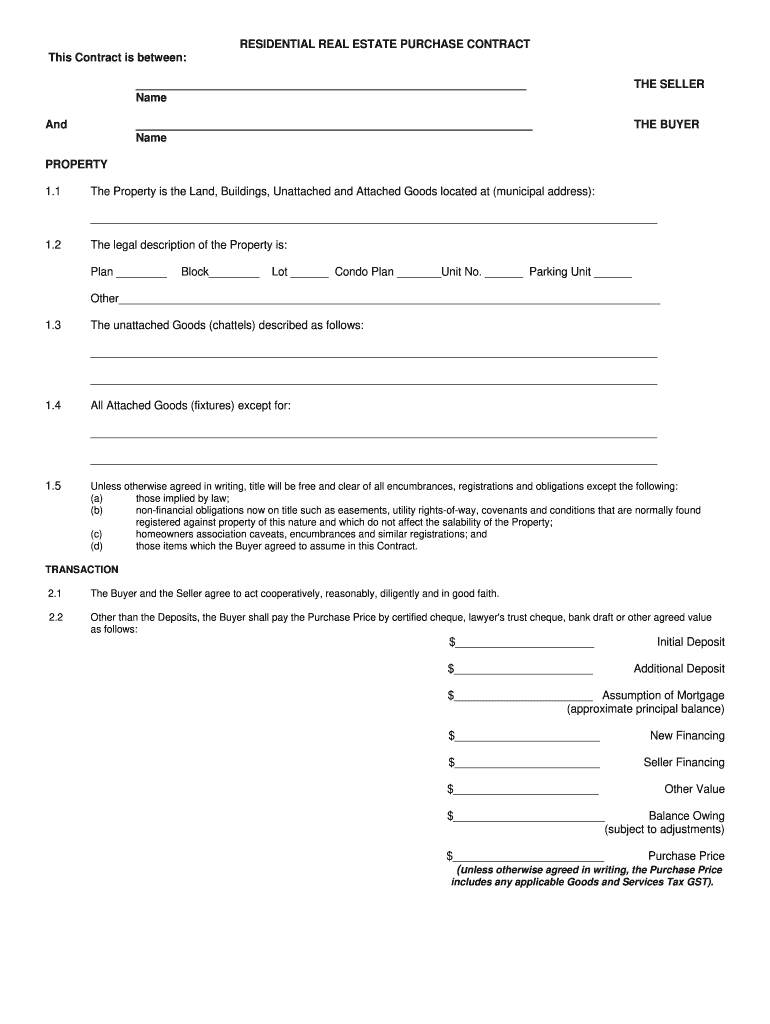
A purchase agreement is a legally binding document that outlines the terms and conditions of a transaction between a buyer and a seller, typically involving real estate or significant assets. It serves as a contract that details each party's obligations and rights, ensuring clarity and understanding before the completion of a purchase. This document covers various critical components, such as the description of the property, the agreed-upon purchase price, and any specific conditions that need to be fulfilled before closing the deal.
Examples of purchase agreements can range from residential real estate contracts to agreements for purchasing vehicles or business assets. Each kind of purchase agreement may have particular provisions that cater to the item's nature being sold, ensuring that both parties have a clear understanding of their responsibilities.
Key Elements of a Purchase Agreement
A comprehensive purchase agreement contains several pivotal elements that provide a framework for the transaction. These components help both parties understand their roles and what the contract entails.
- Property Description: Specifies what is being bought, including details about the property or item.
- Purchase Price and Payment Terms: Lists the total amount agreed upon for the purchase and outlines how and when payments will be made.
- Contingencies and Conditions: Includes conditions that must be satisfied, such as inspections or obtaining financing, before the sale can proceed.
- Closing Date: States when the transaction will be finalized and ownership transferred.
- Warranties and Representations: Asserts the seller's assurance regarding the property's condition and legal standing.
- Remedies and Dispute Resolution: Provides steps to resolve disputes, including potential legal actions if either party defaults on the agreement.
Each of these elements ensures the contract reflects an accurate and enforceable transaction between the buyer and seller.
How to Use the Purchase Agreement
A purchase agreement serves as a critical tool during a transaction process. It is used to formalize the terms of a deal and ensure both parties are aligned.
- Review All Terms and Conditions: Both the buyer and seller should carefully review the agreement's details.
- Negotiate Amendments: If any terms are not agreeable, parties may need to negotiate amendments to address concerns.
- Seek Professional Assistance: In complex transactions, it is advisable to consult legal or real estate professionals to ensure the agreement complies with all legal standards.
- Secure Required Signatures: Ensure all parties sign the document to make it legally binding.
- Monitor Contingencies: Keep track of any contingencies or conditions precedent to ensure they are satisfied before the final closing.
These steps ensure that the purchase agreement is effectively executed and enforced, facilitating a smooth transaction process.
Steps to Complete the Purchase Agreement
Completing a purchase agreement involves several crucial steps to ensure accuracy and compliance with legal requirements:
- Gather Information: Collect all necessary information about the property, buyer, and seller.
- Draft the Agreement: Use a template or consult legal professionals to draft the document.
- Fill Out Required Fields: Enter all essential details, including property description, price, and terms.
- Add Clauses and Conditions: Integrate any specific clauses required by the transaction.
- Review and Approve: Allow both parties to review the document and make necessary revisions.
- Sign and Date: Have all parties sign and date the agreement in the presence of witnesses if required.
Following these steps ensures the completion of a thorough and valid purchase agreement.
Legal Use of a Purchase Agreement
The purchase agreement holds significant legal weight, serving as a reference in case of disputes. It is governed by contract law, and adherence to legal standards is imperative.
- Complies with the Statute of Frauds: Most agreements must be in writing to be enforceable, particularly those involving real estate.
- Binding Commitment: Once signed, it becomes a binding agreement that courts can enforce.
- Dispute Resolution: Provides mechanisms for addressing breaches or misunderstandings through specified processes.
- Transfer of Risk: Details when ownership and any associated risks transfer from seller to buyer.
Understanding the legal implications is crucial for both parties to navigate the transaction confidently.
Who Typically Uses the Purchase Agreement
Purchase agreements are used by a range of individuals and entities across different transactions:
- Real Estate Buyers and Sellers: Commonly used in residential and commercial real estate transactions.
- Businesses: Companies engaging in the sale of significant assets or business mergers.
- Auto Dealerships: For the sale of vehicles, outlining specific terms and warranty conditions.
- Private Parties: Individual private sales involving high-value items.
Each user must adapt the contract terms to suit the nature and needs of their transaction.


Important Terms Related to Purchase Agreement
Understanding terminology in a purchase agreement aids in interpreting its clauses accurately:
- Earnest Money: A deposit made by the buyer to demonstrate serious intent.
- Escrow: A neutral third party holds funds until conditions are fulfilled.
- Title Search: A process to ensure the seller has the right to sell the property.
- Closing Costs: Fees associated with completing the transaction.
Familiarity with these terms helps to understand each party's roles and responsibilities effectively.
State-Specific Rules for Purchase Agreements
State laws may influence how purchase agreements are structured and enforced:
- Mandatory Disclosures: Some states require specific information, like environmental hazards, to be disclosed.
- Attorney Review: Certain jurisdictions may insist on a mandatory review period by an attorney.
- Recordation Requirements: States may differ on how and when an agreement must be recorded.
Adhering to these state-specific requirements ensures the contract's legality in the relevant jurisdiction.
Examples of Using the Purchase Agreement
Purchase agreements are instrumental across a variety of scenarios:
- Real Estate Transactions: A buyer and seller negotiate terms for a property sale, ensuring both parties are clear on the closing details and contingencies.
- Business Asset Purchase: Two businesses define the terms under which specific assets will be transferred, safeguarding interests and obligations.
- Automobile Sales: A detailed agreement is crafted between buyer and seller to specify the terms and conditions of the vehicle purchase, including warranty and service details.
Exploring these scenarios illustrates the purchase agreement's versatility and critical role in formalizing different types of transactions.