




01. Edit your negative std test results 2023 online
Type text, add images, blackout confidential details, add comments, highlights and more.

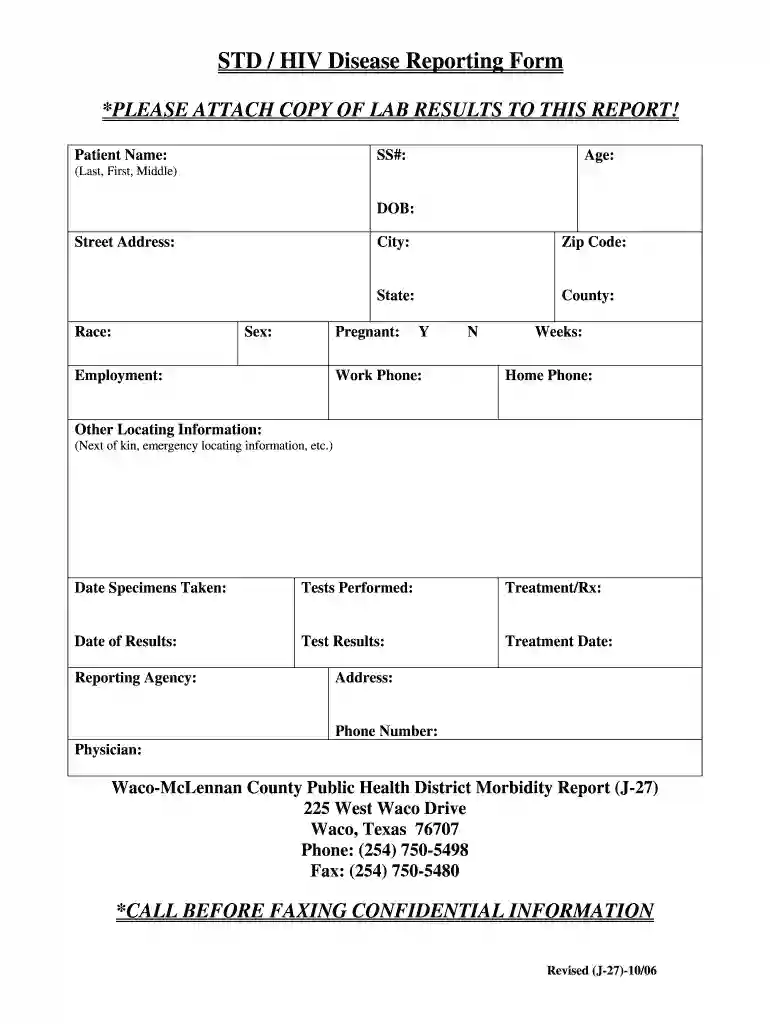
Type text, add images, blackout confidential details, add comments, highlights and more.

Draw your signature, type it, upload its image, or use your mobile device as a signature pad.

Send clean std test results via email, link, or fax. You can also download it, export it or print it out.
Negative STD test results indicate that an individual has not tested positive for sexually transmitted diseases (STDs) during their testing period. A negative result typically suggests that the individual is currently free from the infections tested for, including common STDs such as chlamydia, gonorrhea, syphilis, and HIV. It is important to understand that a negative result does not imply complete immunity; safe practices must still be adhered to prevent potential infections in the future.
Interpreting negative STD test results requires understanding the context of the test taken and the individual's sexual health history. Knowing the specifics about the type of test and the accompanying implications is crucial for proper interpretation.
Regular testing for STDs is a vital aspect of maintaining sexual health, especially for those who are sexually active with multiple partners.
Obtaining a negative STD test result involves several steps, ensuring safety and accuracy throughout the testing process.
Misunderstandings about the implications of negative STD test results can lead to risky behaviors and unnecessary anxiety.
Maintaining records of negative STD test results can serve as a reference for future healthcare appointments, and it can be crucial for various reasons.
Understanding how negative STD test results may be presented can enhance clarity in medical documentation. Common formats for results include:
By recognizing the significance and procedures surrounding negative STD test results, individuals can better navigate their sexual health journeys and maintain informed and responsible practices.
We've got more versions of the negative std test results 2023 form. Select the right negative std test results 2023 version from the list and start editing it straight away!
| Versions | Form popularity | Fillable & printable |
|---|---|---|
| 2006 | 4.9 Satisfied (45 Votes) |
At DocHub, your data security is our priority. We follow HIPAA, SOC2, GDPR, and other standards, so you can work on your documents with confidence.
Sexually Transmitted Infections Surveillance, 2022 provides the most current and complete data for nationally notifiable STIs for federally funded controlRead more
FOOTNOTES * Fewer than 30 isolates were tested. Due to the small number of isolates tested, results may be statistically unreliable (i.e. interpret with caution)Read more
The results reliably reflect the worst-case VI exposure and are not affected by time of CPM testing. Positive pressure CPM testing suppress VI entry fromRead more


