Dc estate tax return instructions form 2026

Get Form
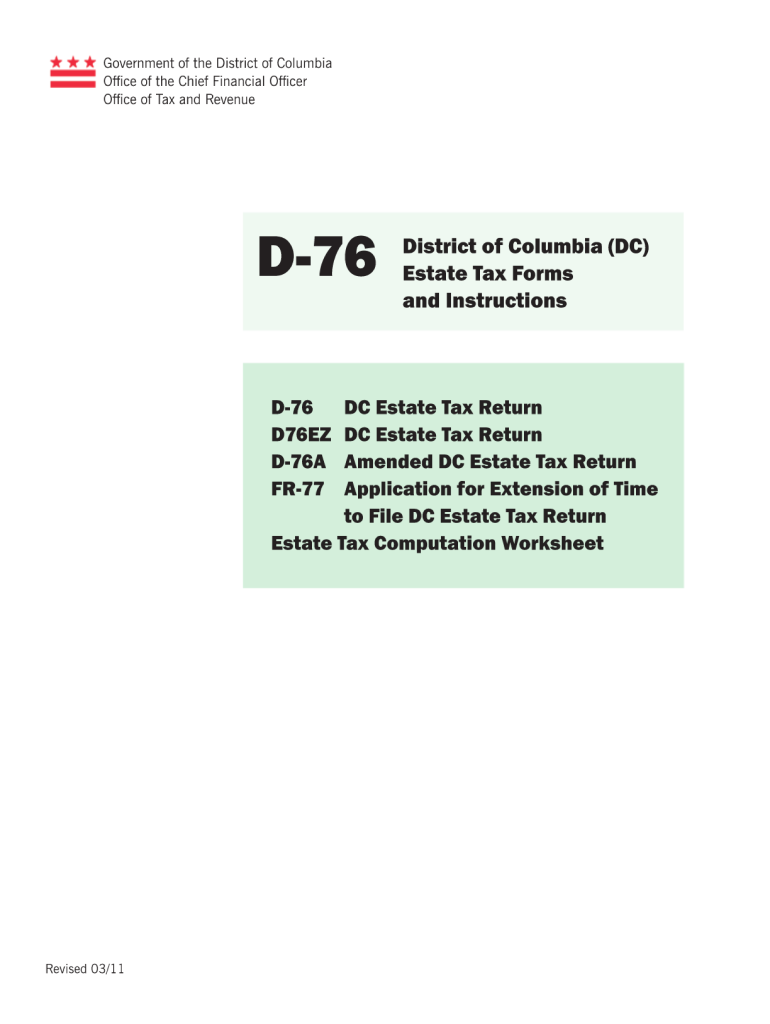
dc estate tax return instructions form Preview on Page 1

Here's how it works

01. Edit your form online
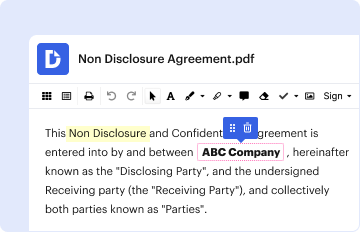
Type text, add images, blackout confidential details, add comments, highlights and more.
02. Sign it in a few clicks
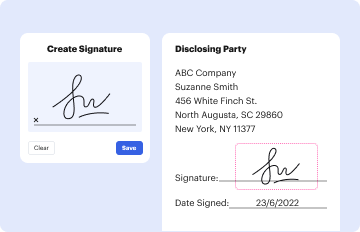
Draw your signature, type it, upload its image, or use your mobile device as a signature pad.
03. Share your form with others
Send it via email, link, or fax. You can also download it, export it or print it out.

How to use or fill out dc estate tax return instructions form with DocHub

Form edit decoration
9.5
Ease of Setup
DocHub User Ratings on G2
9.0
Ease of Use
DocHub User Ratings on G2
  1. Click ‘Get Form’ to open the dc estate tax return instructions form in our platform's editor.
  2. Begin by reviewing the introductory section, which outlines the purpose of the form and provides essential information regarding filing requirements.
  3. Proceed to fill out the personal information section. Enter details such as the decedent's name, date of death, and social security number accurately.
  4. Next, navigate to the asset valuation section. Here, you will need to list all assets owned by the decedent at the time of death, including real estate and financial accounts.
  5. Complete any deductions applicable in the deductions section. This may include funeral expenses or debts owed by the decedent.
  6. Finally, review your entries for accuracy before signing electronically within our editor. Ensure all required fields are completed.

Start using our platform today to simplify your dc estate tax return process for free!

be ready to get more

Complete this form in 5 minutes or less

Get form

Got questions?

We have answers to the most popular questions from our customers. If you can't find an answer to your question, please contact us.
Contact us
You need to file IRS Form 56 if you take on a fiduciary role, such as an executor, administrator, trustee, guardian, or receiver. Here are some examples: Executor of an Estate: If you are handling the tax matters of a deceased persons estate, you must file Form 56.
Yes, there is a penalty for not filing a Form 706, even if no estate tax is due. The penalty is equal to 5% of the gross estate value for each month, or part of a month, during which the return is late, up to a maximum of 25%. For more information, see the IRS website: .
Do all estates have to file Form 706? No, not all estates need to file Form 706. Only estates with gross assets and prior taxable gifts exceeding the annually determined exemption amount are required to file this form. For 2023, this threshold is set at $12.92 million, or $13.61 million in 2024.
At our firm, we frequently encounter these errors that can put families at risk: Not filing Form 706 because the estate falls below the exemption threshold. Incomplete or inaccurate asset valuations that trigger IRS audits. Missing critical deadlines for filing or requesting extensions.
Even if no federal estate taxes are owed, Form 706 must be filed if the gross value of the estate is more than the exemption limit.

Security and compliance

At DocHub, your data security is our priority. We follow HIPAA, SOC2, GDPR, and other standards, so you can work on your documents with confidence.

Learn more
ccpa2
pci-dss
gdpr-compliance
hipaa
soc-compliance

People also ask

Its also possible for beneficiaries to owe tax if the estate generates more than $600 in gross income during administration, triggering an IRS filing requirement. In such instances, estates may pass that income to beneficiaries via Schedule K-1, which reports the amount each person must include on their tax return.
In the United States, we have two types of taxes as they relate to deathForm 706, often referred to as an estate tax return, and Form 1041, an income tax return for estates and trusts. These two forms serve different purposes and both, one, or neither may need to be filed when someone passes away.
Executors Without Court Documentation: Even if youre named as executor in a will, youll need Form 1310 until you have official court documents proving your appointment.

Related links