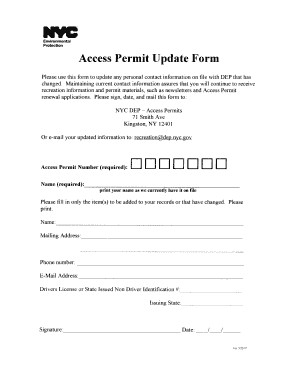







Definition and Purpose of Exposure Report Form
An exposure report form is a critical document used to record incidents involving exposure to potentially infectious materials, particularly blood and body fluids. This form is essential in healthcare settings to document exposure incidents accurately and assist in compliance with regulations set forth by organizations such as the Occupational Safety and Health Administration (OSHA). The primary goal of this form is to gather detailed information necessary for evaluating risks, facilitating medical assessments, and improving workplace safety protocols.
Key Features of an Exposure Report Form
- Detailed Incident Description: Includes sections to describe the incident, type of exposure, and the circumstances surrounding it. This is crucial for understanding the context and potential risks associated with the exposure.
- Worker Information: Collects the details of the exposed individual, including their job title, department, and contact information. This helps healthcare facilities track incidents and implement necessary follow-up actions.
- Source Information: Gathers details about the source of exposure, such as patient information or device type involved, allowing for better tracking of incidents and health risks.
Steps to Complete an Exposure Incident Report Form
Completing an exposure incident report form should be a systematic process to ensure accuracy and thoroughness. Follow these steps for effective completion:
- Identify the Involved Parties: Start by filling in the names and roles of the individuals involved, including the exposed worker and any witnesses.
- Describe the Exposure Incident: Detail what happened during the exposure event. Specify whether it was a needlestick injury, splash exposure, or other forms of contact with blood or body fluids.
- Document Circumstances: Describe the context of the incident, such as the location, time, and any safety measures that may have been in place at the time of exposure.
- Include Source Details: Gather information about the source of exposure, including any known health status of the source individual and the type of materials involved.
- Review and Sign: Ensure that all information is accurate, and submit the form after obtaining necessary signatures from witnesses or supervisors, as per workplace policy.
Legal Compliance and Importance of the Exposure Report Form
The exposure report form plays a significant role in ensuring compliance with OSHA regulations and guidelines related to bloodborne pathogens. Accurate documentation is not only essential for proper medical follow-up but also serves as a defense against potential liability for the healthcare facility. Healthcare providers must maintain records of such incidents for a specified period to meet regulatory requirements.
Key Legal Aspects to Consider
- OSHA Compliance: The form fulfills OSHA's documentation requirements, which mandate that employers maintain a record of all occupational injuries and exposures.
- Confidentiality Considerations: It is vital to handle the information collected on the exposure report form with strict confidentiality to protect the privacy of individuals involved.
- Potential Legal Implications: In case of transmission of infectious diseases due to an exposure incident, the completed report could serve as important evidence in legal proceedings.
Types of Exposure Covered by the Form
Exposure incident report forms must encompass various types of exposure scenarios to adequately protect staff and relevant parties. Understanding the different types of exposure can aid workplace safety training and incident management.
Common Types of Exposures
- Needlestick Injuries: Occurs when a needle or other sharp object pierces the skin, potentially transmitting infections.
- Splash Exposures: Refers to body fluids coming into contact with mucous membranes, such as the eyes or mouth.
- Inhalation: Situations where pathogens in aerosolized form may enter the respiratory tract, posing health risks.
Best Practices for Managing Exposure Report Forms
Effective management of exposure report forms is essential for improving workplace safety and health outcomes. Consider adopting the following best practices to enhance your incident reporting process:
- Training and Education: Employees should receive training on how to properly complete the exposure report form, emphasizing the importance of timely and accurate reporting.
- Centralized Storage: Maintain organized records of exposure reports in a secure, centralized system that allows for easy access and retrieval for future reference.
- Regular Reviews: Conduct periodic reviews of submitted exposure reports to identify trends and areas for improvement in safety practices or training.
Examples and Case Studies of Exposure Report Forms
Real-world examples can illustrate the importance and effectiveness of exposure report forms in action. Case studies provide insights into how these forms are utilized to improve safety protocols in various healthcare settings.
Sample Scenario
A nurse experiences a needlestick injury while administering medication. Upon completion of the exposure report form, it is revealed that safety-engineered needles were not used, highlighting a need for safety training and implementation of best practices. The incident is then reviewed in a safety meeting to address the gap and reinforce workplace protocols.
Another Example
In a laboratory setting, a technician reports a splash exposure when handling a specimen. The exposure report form allows for documentation of immediate assessment and follow-up medical evaluation. Data collected from this incident contributes to a broader investigation into safety practices in the laboratory environment.
By establishing thorough reporting procedures and facilitating a culture of transparency about exposure incidents, healthcare facilities can significantly enhance employee safety and compliance with legal standards.