



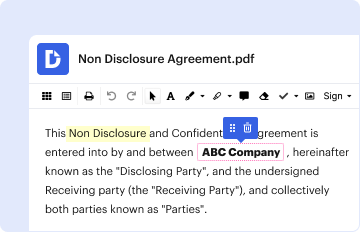
01. Edit your form online
Type text, add images, blackout confidential details, add comments, highlights and more.

Type text, add images, blackout confidential details, add comments, highlights and more.
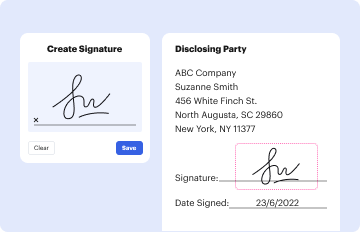
Draw your signature, type it, upload its image, or use your mobile device as a signature pad.
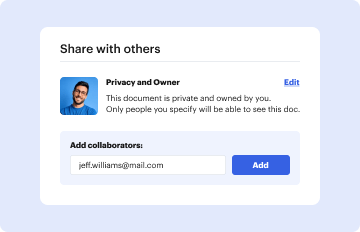
Send it via email, link, or fax. You can also download it, export it or print it out.
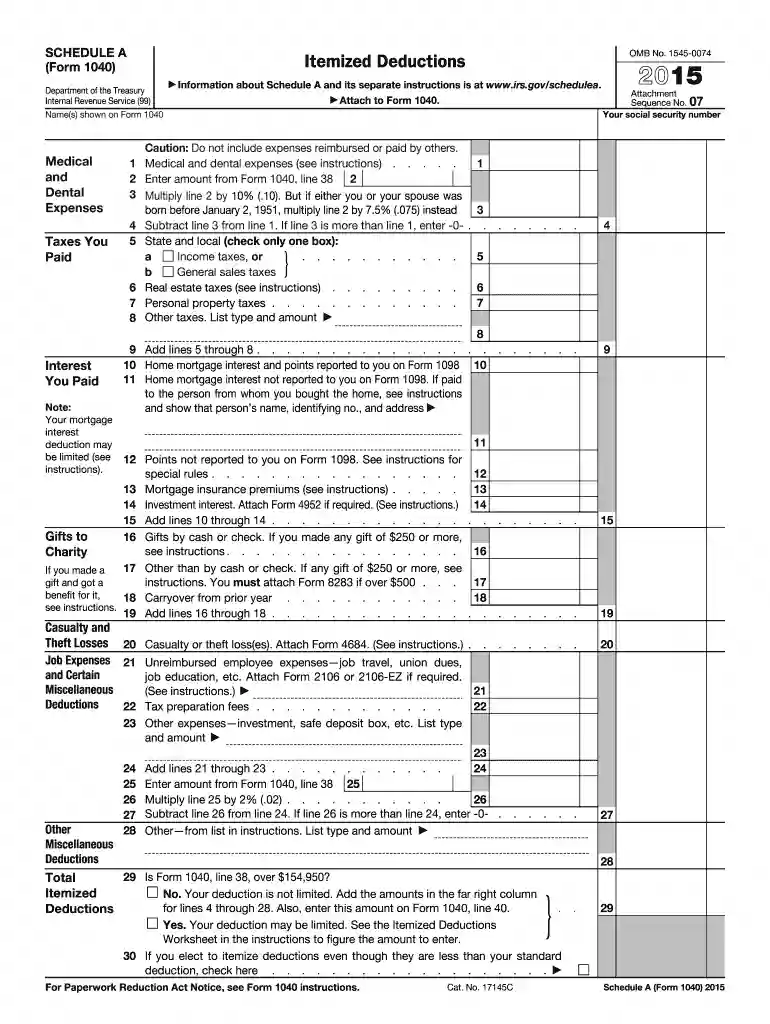
The 2 Schedule A Form is a tax document used by individual taxpayers in the United States to itemize deductions on their federal income tax returns. Itemized deductions allow taxpayers to list specific eligible expenses instead of taking the standard deduction, potentially lowering their taxable income. Key sections include deductions for medical expenses, state and local taxes, mortgage interest, charitable contributions, and miscellaneous deductions.
The 2 Schedule A Form can be accessed through several methods, ensuring taxpayers can easily acquire it according to their preference.
Completing the 2 Schedule A Form requires attention to detail and access to relevant financial records.
Opting for the 2 Schedule A Form can significantly benefit taxpayers whose itemized deductions exceed the standard deduction.
Several taxpayer categories commonly benefit from using the 2 Schedule A Form.


Understanding specific tax-related terms can aid in effectively completing the form.
Adhering to IRS guidelines ensures compliance and minimizes risk of audits.
Understanding filing deadlines is crucial for avoiding penalties and interest.
By following these structured guidelines, taxpayers can accurately and efficiently utilize the 2 Schedule A Form to their advantage, ensuring maximum deductions and compliance with IRS regulations.
We've got more versions of the 2015 1040 schedule a form form. Select the right 2015 1040 schedule a form version from the list and start editing it straight away!
| Versions | Form popularity | Fillable & printable |
|---|---|---|
| 2025 | 4.1 Satisfied (27 Votes) | |
| 2024 | 4.9 Satisfied (59 Votes) | |
| 2023 | 4.9 Satisfied (45 Votes) | |
| 2022 | 4.6 Satisfied (38 Votes) | |
| 2021 | 4.8 Satisfied (181 Votes) | |
| 2020 | 4.3 Satisfied (81 Votes) | |
| 2019 | 4.1 Satisfied (40 Votes) | |
| 2018 | 4.2 Satisfied (65 Votes) | |
| 2017 | 4.4 Satisfied (61 Votes) | |
| 2016 | 4.4 Satisfied (673 Votes) | |
| 2015 | 4 Satisfied (35 Votes) | |
| 2014 | 4.3 Satisfied (52 Votes) | |
| 2013 | 4 Satisfied (21 Votes) | |
| 2012 | 3.9 Satisfied (29 Votes) | |
| 2010 | 4 Satisfied (56 Votes) |
At DocHub, your data security is our priority. We follow HIPAA, SOC2, GDPR, and other standards, so you can work on your documents with confidence.
Jan 11, 2016 Use Schedule A (Form 1040) to figure your itemized deductions. In most cases, your federal income tax will be less if you take the larger ofRead more
Jan 19, 2017 Attach a computation of your NOL using. Form 1045, Schedule A, and, if it applies, your. NOL carryover using Form 1045, Schedule B, discussedRead more
Refer to the Form 1040 Instructions to determine if you are required to file a tax return. Even if you do not have to file a tax return, you may be eligible forRead more


