






Understanding the Refrigerator Temperature Log Template
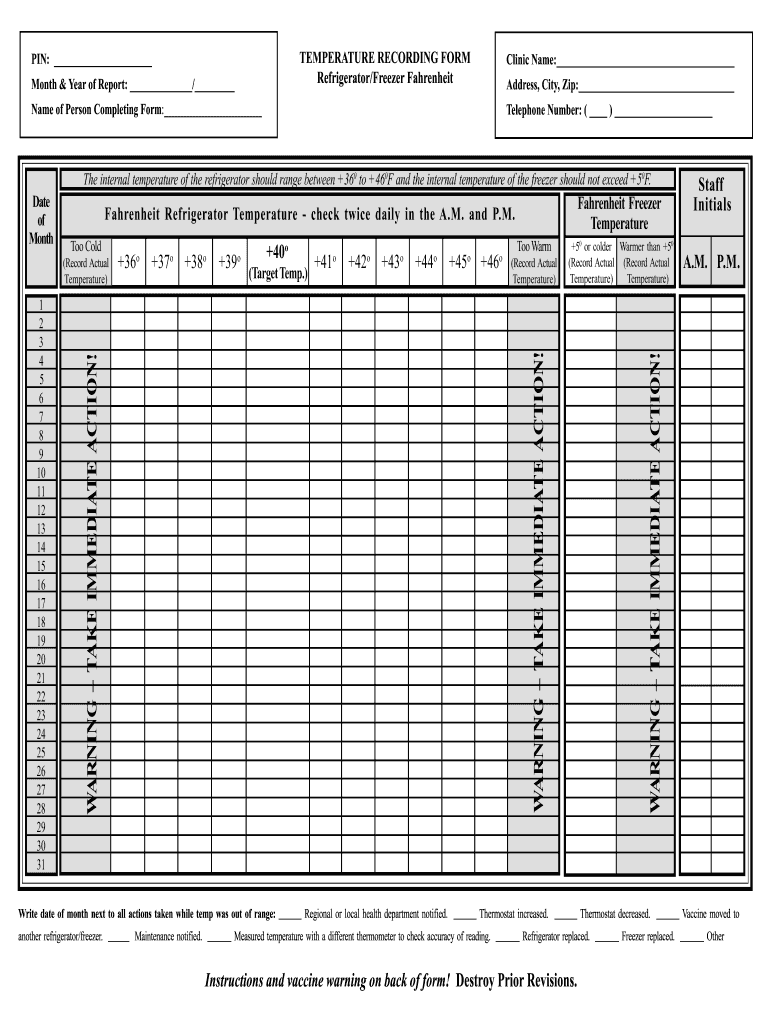
The refrigerator temperature log template in Excel is an essential tool designed for monitoring the internal temperatures of refrigerators and freezers, especially in facilities like clinics and laboratories. This log assists users in ensuring that perishable items are stored under appropriate conditions, thus maintaining their safety and efficacy.
Acceptable Temperature Ranges
Monitoring temperature is crucial for food safety and compliance regulations. Generally, the acceptable temperature range for refrigerators is between 35°F to 38°F (1.6°C to 3.3°C), while freezers should maintain temperatures at or below 0°F (-18°C). This section of the log should include:
- Daily Temperature Record: Spaces to note the morning and evening temperatures.
- Adjustments: Guidelines on what to do if temperatures exceed or fall short of the set thresholds.
Procedures for Recording Temperatures
Proper usage of the temperature log involves recording temperatures consistently. Follow these key practices:
- Frequency: Log temperatures at least twice a day, typically in the morning and evening.
- Method: Use a calibrated thermometer to ensure accuracy.
- Documentation: Write down the exact temperature readings directly in the appropriate fields in the Excel sheet.
- Time Stamps: Include the date and time of each recording for precise tracking.
Actions on Temperature Deviations
It's essential to have a clear plan for what actions to take if the recorded temperatures do not fall within the acceptable ranges:
-
Immediate Actions:
- For temperatures above the acceptable range, assess the cause, which might include malfunctioning equipment or door issues.
- For temperatures below the recommended range, investigate potential loss of power or other mechanical failures.
-
Reporting Requirements: Maintain a protocol for notifying appropriate parties, such as managers or health authorities, if consistent deviations occur.
Compliance with Health Regulations
Facilities storing food or biological materials must adhere to regulatory guidelines concerning temperature control. Regulations often stipulate:
- Documentation: Maintaining temperature logs in a specific format for easy access during inspections.
- Retention Period: Keep records for a minimum prescribed duration, often ranging from one to three years, depending on state guidelines.
Creating Fillable Forms in Excel
Using Excel for the temperature log template enhances efficiency. Users can create fillable fields for easy data entry. Features to consider incorporating include:
- Cell Formatting: Use data validation to limit entries to a predefined range to reduce errors.
- Auto-Calculations: Implement formulas to flag temperature deviations or compile averages over a designated period.
Printable and Shareable Formats
Once the refrigerator temperature log template is filled, it should be easily downloadable and printable for record-keeping. Options to consider include:
- PDF Export: Save the log as a PDF for fixed formatting when sharing with stakeholders.
- Cloud Integration: Store the template in a cloud-based solution for real-time access and updates by multiple users.
Example Scenarios for Using the Template
The refrigerator temperature log template can serve various scenarios:
- Laboratories: Tracking temperatures for specimens that require strict temperature control.
- Catering Services: Ensuring that food remains at safe temperatures during storage and preparation.
- Pharmacies: Monitoring the storage conditions of medications requiring refrigeration.
Troubleshooting Common Issues
Several challenges might arise when managing the temperature log:
- Lost Data: If a temperature log entry is missed, implement a procedure to address and fill in gaps.
- Equipment Malfunctions: Routine checks on equipment ensure compliance, and records should be flagged for review if issues persist.
This comprehensive overview highlights the importance of using a refrigerator temperature log template in Excel, ensuring that regulations are met, safety is upheld, and operational efficiency is maintained.