




01. Edit your inheritance format online
Type text, add images, blackout confidential details, add comments, highlights and more.

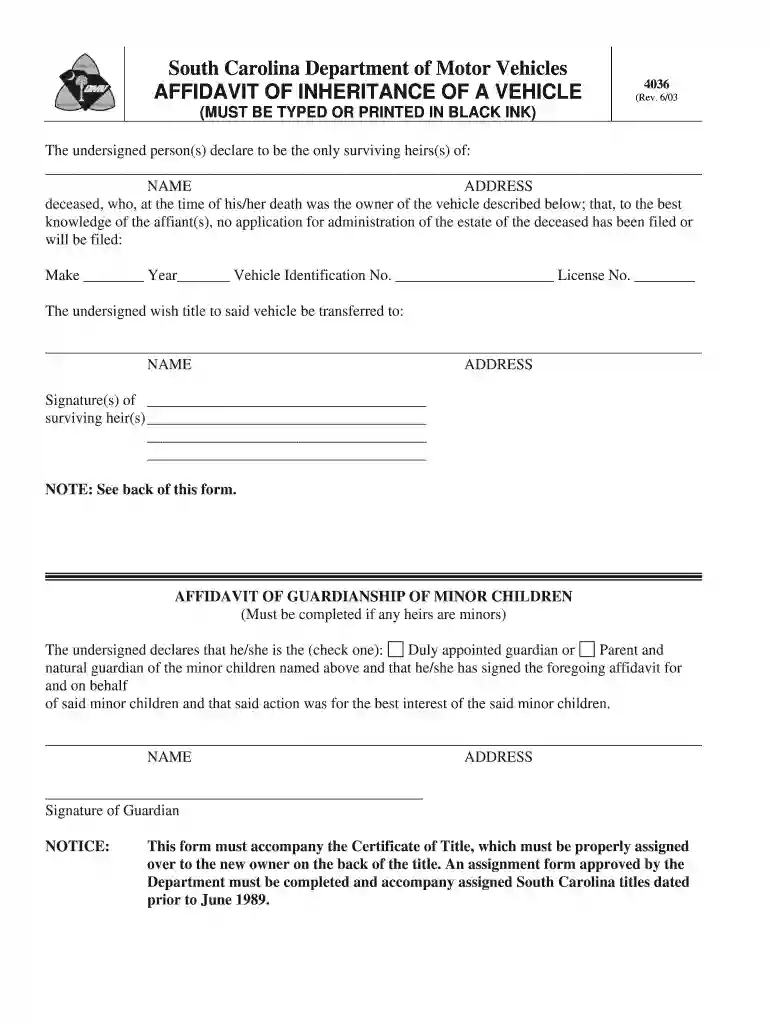
Type text, add images, blackout confidential details, add comments, highlights and more.

Draw your signature, type it, upload its image, or use your mobile device as a signature pad.

Send inheritance format for client via email, link, or fax. You can also download it, export it or print it out.
The inheritance format refers to a structured document used to manage and facilitate the transfer of assets or property from a deceased person to their heirs according to legal protocols. This format outlines the basic information required for proper inheritance delineation, ensuring that all necessary details are captured to comply with state regulations. Typically used in legal and financial contexts, the inheritance format serves as a legally recognized record when settling an estate.
Key components of the inheritance format often include:
Understanding the definition and specific components of the inheritance format is vital for legal compliance and for executing a decedent's wishes correctly.
Several essential elements constitute a comprehensive inheritance format, which helps streamline the process of transferring ownership legally. These elements ensure that all parties involved have a clear understanding of their rights and responsibilities concerning the estate.
Title and Heading: The document typically starts with a clear title, such as "Affidavit of Inheritance" or "Declaration of Heirs," to identify its purpose from the outset.
Affidavit Section: This includes a statement from the heirs declaring their relationship to the decedent and affirming their entitlement to the estate.
Asset Inventory: A thorough inventory listing all assets, including real estate properties, bank accounts, personal belongings, and other valuables the deceased owned.
Distribution Plan: A comprehensive outline of how the estate will be divided among heirs. This may specify certain assets designated for particular individuals or proportional distributions of the overall estate value.
Signatures: The document requires signatures from all involved parties, typically the heirs and a notary public or witnessing attorney, to affirm its legality and authenticity.
These key elements not only ensure legal clarity but also protect the rights of all parties involved, providing a structured approach to managing inheritance.
Completing an inheritance format involves several steps that ensure it meets legal requirements and accurately reflects the decedent's intentions. Adhering to a structured approach can help to avoid disputes or legal issues down the line.
Gather Information: Collect all necessary details regarding the decedent, including their full name, date of birth, and the date of death. Additionally, compile exhaustive information about the heirs.
List the Assets: Create a comprehensive list of all assets to be transferred, including properties, bank accounts, investments, and personal property. Documentation, such as titles and account statements, should accompany this list.
Determine Distribution: Establish how the assets will be divided among the heirs, referring to any existing wills or state laws where applicable. Clarity in this step is crucial to avoid conflicts.
Draft the Document: Using the gathered information, fill out the inheritance format document, ensuring that each section is completed accurately and thoroughly.
Review and Validate: Go through the entire document, verifying all details for correctness and ensuring compliance with applicable laws. Involvement from a legal professional for this step can be beneficial.
Sign and Notarize: Have all relevant parties sign the document. A notary should witness the signing to guarantee its authenticity, making it legally binding.
Distribute Copies: Finally, ensure that all heirs receive a copy of the signed and notarized document, maintaining transparency throughout the process.
Following these steps provides a structured approach to completing the inheritance format, fostering clarity and legal compliance.
Understanding relevant terminology is crucial when working with the inheritance format. Familiarizing oneself with these terms aids in navigating legal complexities and ensures effective communication among all parties involved.
Decedent: The deceased individual whose assets are being transferred through the inheritance format. Knowing this term is essential, especially in legal discussions surrounding estate management.
Heirs: Individuals entitled to inherit from the estate. This can include direct descendants, spouses, and sometimes extended family, depending on state inheritance laws and the specifics of any will.
Probate: The legal process of administering a deceased person's estate, which may involve validation of the will and determining the rightful heirs. Understanding this concept is vital for the proper execution of the inheritance format.
Estate Administration: The managing and settling of the decedent's estate, including overseeing asset distribution, paying debts, and ensuring compliance with legal requirements.
Executor: An appointed person responsible for managing the deceased's estate through the probate process. This individual must adhere to the stipulations laid out in the will and the inheritance format.
Grasping these terms can facilitate communication with legal professionals and promote understanding amongst heirs, reducing potential conflicts.
The inheritance format holds significant weight in legal contexts, ensuring the proper transfer of assets in alignment with both the wishes of the decedent and applicable laws. Proper legal adherence protects against potential disputes and misunderstandings among heirs.
Estate Clarity: Legally binding documents clarify ownership and entitlement, providing a clear course of action for asset distribution.
Conflict Reduction: When executed correctly, these formats lessen the likelihood of disputes among heirs, as they serve as an official record of designated distributions.
Regulatory Compliance: Use of the inheritance format ensures compliance with state laws governing inheritance and probate procedures, optimizing the legal process.
Engaging a legal professional during the drafting of the inheritance format can be beneficial for several reasons:
Understanding the legal ramifications and benefits of using the inheritance format can ensure that the document serves its intended purpose effectively and efficiently.
We've got more versions of the inheritance format form. Select the right inheritance format version from the list and start editing it straight away!
| Versions | Form popularity | Fillable & printable |
|---|---|---|
| 2003 | 4.8 Satisfied (66 Votes) |
At DocHub, your data security is our priority. We follow HIPAA, SOC2, GDPR, and other standards, so you can work on your documents with confidence.
5 days ago Entities are stored in the entities folder of respective dimension folders. It is stored like Minecraft Anvil format files, which are named
Inheritance TA Return formatting Limitations to 8 1/2 inches by 11 inches. Effective April 1, 2011 any REV-1500 resident inheritance tax return submitted to theRead more


