




01. Edit your short form power of attorney online
Type text, add images, blackout confidential details, add comments, highlights and more.

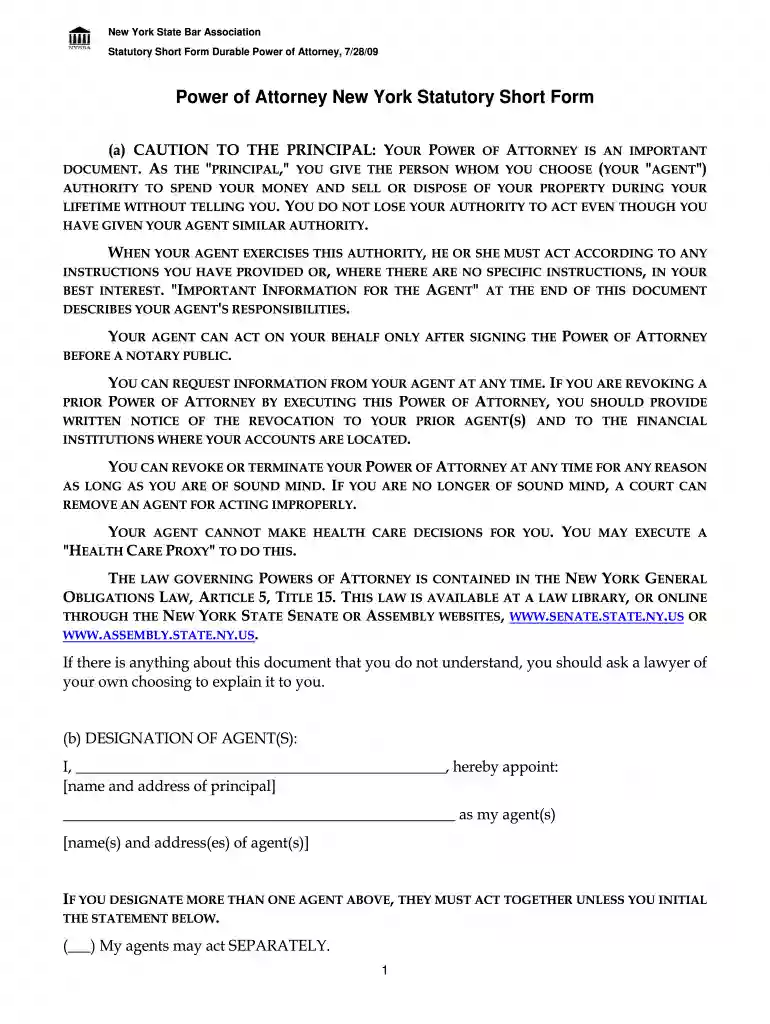
Type text, add images, blackout confidential details, add comments, highlights and more.

Draw your signature, type it, upload its image, or use your mobile device as a signature pad.

Send power of attorney short form via email, link, or fax. You can also download it, export it or print it out.
The "power of attorney New York statutory short form" is a legal document that allows one individual, known as the principal, to appoint another individual, called the agent, to manage their financial affairs. This form is specifically designed for quick and straightforward use within New York, adhering to the guidelines set by the New York State Bar Association. It outlines the specific authority granted to the agent and includes important legal terms that dictate the conditions under which the power can be exercised. The statutory short form provides a standardized method to ensure the legal and financial responsibilities are both clear and enforceable.
Completing the power of attorney New York statutory short form involves a series of detailed steps to ensure all legal requirements are met:
The power of attorney New York statutory short form contains several key elements that determine its validity and use:
Legally, the power of attorney form must be used to authorize the agent to perform tasks such as managing finances, property sales, and handling various legal matters on the principal’s behalf. The principal should consult with a legal expert to ensure they fully understand the implications of the authority being granted. This legal tool is often utilized in situations where the principal is unavailable due to travel, illness, or incapacity.
New York has specific laws governing the power of attorney, which include the requirement of signing by both the principal and the notary, and in some cases, the agent. The form must comply with state statute criteria to be valid, highlighting the necessity for adherence to these state-specific rules.
Understanding certain legal terms is crucial in the effective utilization of the power of attorney form:
There are many practical scenarios when this form may be utilized:
Any competent adult in New York can create a power of attorney, but it is vital for both parties to understand their roles and responsibilities fully. The principal must be of sound mind to designate an agent, ensuring that consent is informed and voluntary.
These blocks cover the essential aspects of the power of attorney New York statutory short form, providing a comprehensive understanding of its definition, usage, and legal requirements.


We've got more versions of the short form power of attorney form. Select the right short form power of attorney version from the list and start editing it straight away!
At DocHub, your data security is our priority. We follow HIPAA, SOC2, GDPR, and other standards, so you can work on your documents with confidence.


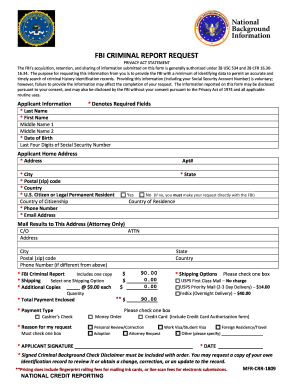


Power of AttorneyNew York Statutory Short Form. Book Title:Stocker on Drawing Wills and Trusts (Fourteenth Edition). Format: Other Document Templates.Read more
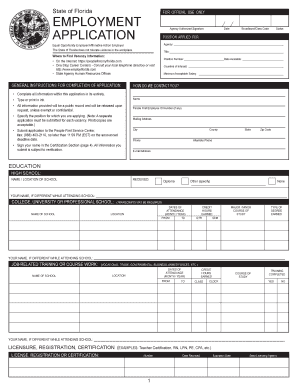
Jun 13, 2021 I grant authority to my agent(s) with respect to the following subjects as defined in sections 5. 1502A through 5-l502N of the New York GeneralRead more
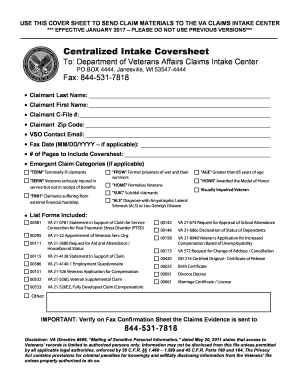
confirm the arbitration award (the New York Proceeding). Thales and the Power of Attorney (included as part of page titled Signatures). 31.1.Read more


