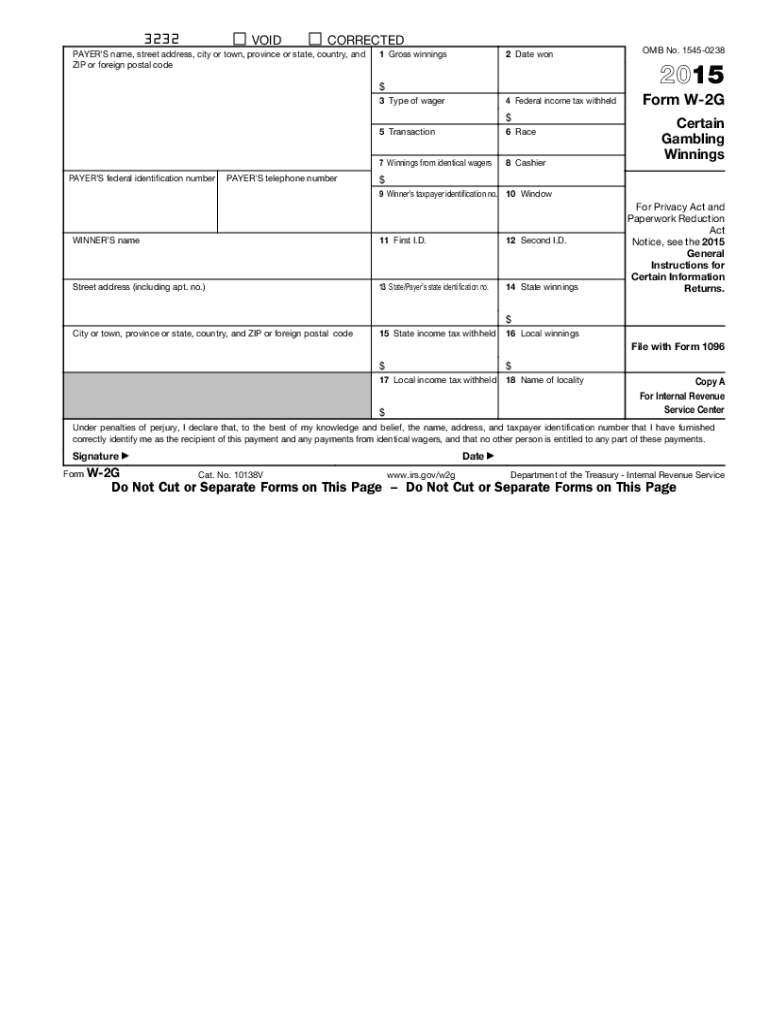







Definition & Meaning
The term "16 Local Winnings" often pertains to winnings from local gambling events or activities that have certain reporting requirements due to federal or state regulations. This type of income might arise from events such as local lotteries, raffles, or casinos, where participants receive monetary prizes. Understanding how these winnings are classified helps with taxation and compliance with local laws. In the U.S., these winnings must be reported to the Internal Revenue Service (IRS) using specific forms to ensure proper tax filing. This term signifies the importance of accurately documenting gambling winnings for compliance and tax purposes.
How to Use the 16 Local Winnings Form
To correctly use the 16 Local Winnings form, start by collecting all necessary documentation of your winnings. This includes receipts or statements provided by the gambling establishment. With these documents, fill in details such as the date of the win, the type of event, and the total amount won. Make sure to enter your personal identification information and Social Security number accurately, as this ensures the IRS can match your reported winnings with your tax filings. Once complete, review the form for errors and submit it according to the outlined methods—whether by mail, online, or in-person—to adhere to official requirements.
Steps to Complete the 16 Local Winnings
- Gather Documentation: Collect all relevant documents, including receipts and statements of your winnings.
- Fill in Personal Information: Ensure your name, address, and Social Security number are correct.
- Enter Winnings Details: Provide the amount, date of each win, and the type of event where the winnings were earned.
- Verify Information: Double-check the form for accuracy, ensuring all entries are clear and legible.
- Submit Form: Choose the submission method based on personal preference and availability of options—mail, online submission, or in-person delivery.
- Keep a Copy for Records: Retain a copy of the completed form for personal records and potential audits.
Important Terms Related to 16 Local Winnings
- Withholding: Refers to the automatic deduction of tax from winnings at the time they are awarded.
- Gross Winnings: The total amount won before any deductions such as taxes.
- Net Winnings: The amount received after taxes are deducted.
- Reporting Threshold: The minimum amount of winnings which necessitates formal reporting to the IRS.
Understanding these terms helps to interpret the document requirements and ensures compliance with tax obligations.
IRS Guidelines
According to IRS guidelines, gambling winnings must be reported as income on your tax return. These guidelines specify the conditions under which tax should be withheld at the source and outline the taxpayer's responsibilities for self-reporting their winnings. The IRS also advises on how to document and substantiate these winnings in case of an audit. Familiarizing oneself with these guidelines is crucial for meeting legal requirements and avoiding penalties.
Filing Deadlines / Important Dates
Timeliness is critical when reporting local winnings. The deadline for submitting forms generally coincides with the annual tax filing deadline, typically April 15th. However, it's essential to check for any extensions or changes announced for a given tax year. Ensure that your form is submitted well before these deadlines to avoid any last-minute issues and potential late penalties.
Required Documents
Filing your 16 Local Winnings form requires several key documents:
- Proof of Winnings: Receipts from the gambling event or a winning ticket.
- Identification: Government-issued ID, such as a driver's license or passport.
- Social Security Card: To verify your taxpayer identification number.
Having these documents readily available ensures a smooth and efficient filing process.
State-Specific Rules for the 16 Local Winnings
State-specific regulations might affect how gambling winnings are reported and taxed. Each state may have different thresholds for reporting and may offer credits or deductions based on their own tax rules. It's vital to consult local tax authorities or a tax professional to understand these variations and accurately comply with both federal and state filing requirements.
Penalties for Non-Compliance
Failing to report local winnings accurately can result in significant penalties, including fines or additional taxes. The IRS may apply an accuracy-related penalty if the income was underestimated or the documents are improperly filed. Severe cases might lead to audits or charges of tax evasion. Thus, maintaining precise records and adhering to all filing requirements is crucial to avoid these consequences.