






Definition and Meaning of Annual Learning Plan Generator
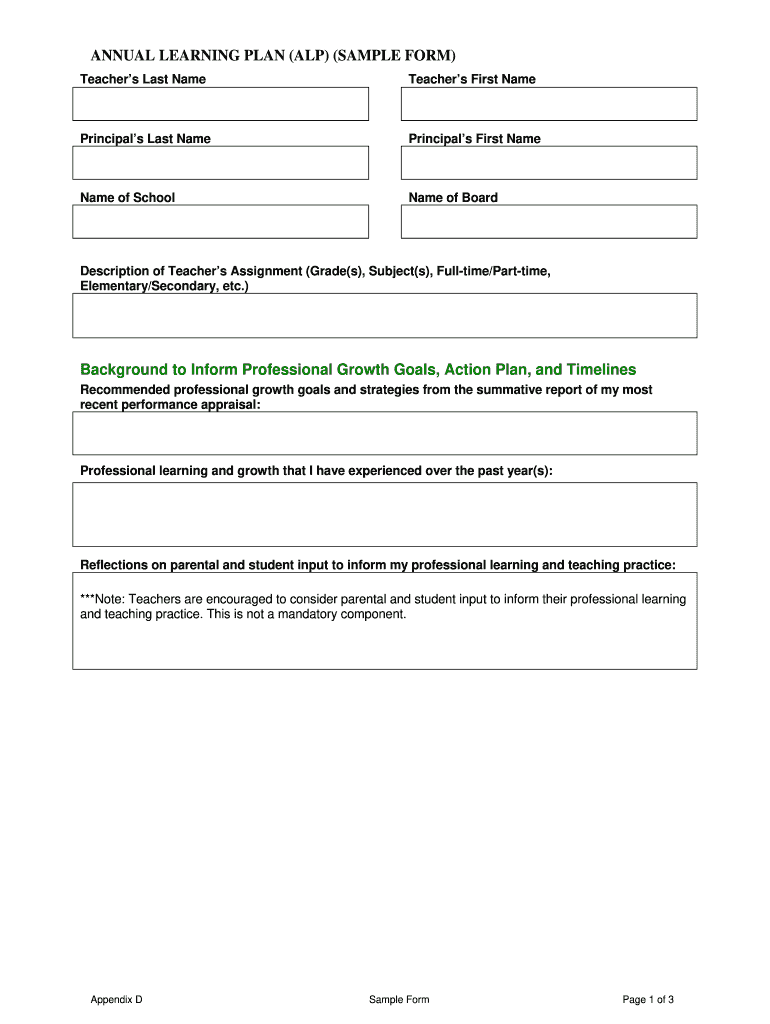
An annual learning plan generator is a tool designed to assist educators in formulating structured learning objectives and professional development goals for the academic year. This generator offers templates and guidance for outlining strategies, determining action plans, and reflecting on teaching practices and student outcomes. It serves educators—including teachers and administrators—by structuring their intentions into a coherent plan that supports professional growth, aligns with educational standards, and addresses student learning needs.
Key Features of an Annual Learning Plan Generator
- Structured Templates: It provides a variety of structured templates for creating consistent annual learning plans, which simplifies the planning process for educators.
- Customizable Options: Users can tailor their plans to fit specific teaching contexts, grade levels, or subject areas, ensuring relevance to their unique situations.
- Integrated Reflection Tools: Many generators incorporate reflection sections that encourage educators to assess their past experiences and adjust their future objectives.
- Collaboration Capabilities: The generator often allows for inputs from other stakeholders, such as principals, peers, and even students, promoting a comprehensive approach to professional development.
- Tracking and Reporting Features: These features enable users to monitor progress over time, ensuring that plans are not only created but also effectively implemented and reviewed.
How to Use the Annual Learning Plan Generator
Using an annual learning plan generator involves several steps that guide educators through the planning process, ensuring clarity and intentionality in creating their documents.
Step-by-Step Instructions
- Select a Template: Begin by choosing a template that matches your specific needs, whether it is for a particular subject, grade level, or overall professional development goals.
- Define Goals: Identify clear, measurable goals that you aim to achieve during the academic year. This could include improving student engagement or incorporating new teaching methodologies.
- Outline Strategies: Detail the strategies you will implement to meet these goals. This may involve specific teaching techniques, resources you will utilize, or professional development workshops you plan to attend.
- Reflect on Past Experiences: Incorporate insights from past professional development experiences. Analyze what worked well and what did not, using this reflection to inform your current plans.
- Solicit Feedback: Share your draft with colleagues or supervisors to gather constructive feedback. Collaboration can enrich your plan with additional perspectives and ideas.
- Finalize and Implement: After revisions, finalize your annual learning plan. Use it as a living document throughout the year, continually referring back to it to guide your instructional decisions and modifications.
Key Elements of the Annual Learning Plan Generator
Several essential components contribute to the effectiveness of an annual learning plan generator, which enhances its utility for educators.
Important Components
- Goal Setting: Clearly defined, realistic, and measurable goals direct the focus of the learning plan.
- Action Steps: Specific actions and strategies detailing how the goals will be achieved provide a roadmap for the year ahead.
- Resource Identification: Listing of necessary resources, such as textbooks, technology, or professional learning communities, which support the goals.
- Timeline: Establishing a timeline for achieving goals helps in pacing professional development and instructional initiatives.
- Assessment Methods: Formulating methods for assessing progress enables educators to evaluate the effectiveness of their strategies and make necessary adjustments.
Examples of Using the Annual Learning Plan Generator
Various scenarios illustrate the practical application of an annual learning plan generator, exemplifying how it can serve different educational contexts.
Practical Scenarios
- Elementary Educators: A kindergarten teacher might utilize the generator to set goals for implementing play-based learning strategies, outlining steps to enhance student creativity and social skills.
- High School Teachers: A high school math teacher could create a plan focused on advancing student performance in algebra, incorporating targeted interventions and tracking progress through formative assessments.
- Special Education Coordinators: A special education coordinator may use the generator to establish annual goals for improving individualized education program (IEP) outcomes, ensuring alignment with state standards and federal requirements.
Legal Use of the Annual Learning Plan Generator
Understanding the legalities surrounding the use of an annual learning plan generator is crucial for educators to comply with educational regulations and standards.
Compliance Considerations
- Adherence to State Standards: Annual learning plans must align with state educational standards and regulations to ensure that all students receive equitable access to quality education.
- Documentation Practices: Maintaining accurate records of annual learning plans might be a requirement for educator evaluations or licensing renewals, making it essential for compliance.
- Data Protection: When collecting feedback or data from students and parents in the planning process, educators need to stay informed about privacy regulations to protect sensitive information.
Overview of Steps to Complete the Annual Learning Plan Generator
Completing an annual learning plan generator involves distinct phases that aid educators in systematically creating their plans.
Detailed Overview of Steps
- Access the Generator: Navigate to the annual learning plan generator tool, ensuring it is user-friendly and offers the necessary templates.
- Gather Necessary Information: Collect relevant data such as previous goals, student performance metrics, and feedback from past learning experiences.
- Complete the Template: Methodically fill out each section of the generator template, focusing on clarity and ensuring all components are addressed.
- Review and Revise: Conduct a comprehensive review of the completed plan, adjusting any sections for accuracy and coherence.
- Submit for Feedback: Present the plan to a colleague or supervisor for additional insights and constructive criticism before finalizing it.
These steps yield a comprehensive and actionable plan that aligns with educational objectives and reflects thoughtful planning.