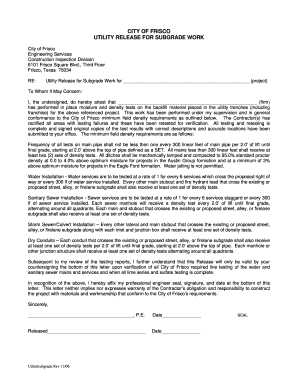
Definition and Purpose of the Job Information Sheet
The job information sheet is a vital document used primarily in the project management and contracting industries. It serves as a comprehensive data collection tool that captures essential information regarding a specific job or project. Typically, it includes details such as customer information, contractor details, project owner identification, bonding company data, and property owner specifics. This structured format helps ensure that all necessary information is aggregated in one place, aiding in project planning and execution.
By utilizing a job information sheet template, businesses can standardize their data collection processes, enhancing accuracy and efficiency. It is particularly beneficial for contractors, project managers, and administrative staff who need to collaborate and communicate effectively across various stakeholders involved in a project.
Key Elements of the Job Information Sheet
Understanding the key components of the job information sheet is imperative for effective use. An ideal job information sheet includes:
- Customer Information: This section collects basic details about the customer, including name, address, contact number, and email.
- Contractor Details: Lists the contracting company's name, address, contact information, and licensing details. This ensures proper communication and accountability.
- Project Information: Includes the project name, location, start and end dates, and scope of work. This provides clarity on the nature of the undertaking.
- Bonding Company Information: If applicable, this portion includes the bonding company’s name and contact information, which is often required for compliance purposes.
- Property Owner Details: Captures information about the property owner, especially important if it differs from the customer.
Each of these elements is crucial in documenting and managing the project lifecycle effectively, ensuring that all involved parties have a clear understanding of their roles and responsibilities.
How to Complete the Job Information Sheet
Filling out the job information sheet requires careful attention to detail to avoid errors and omissions. Here are the steps to effectively complete the sheet:
-
Gather Necessary Information: Prior to starting, collect all relevant data needed for each section of the sheet. This includes customer contact details, contractor licenses, and project specifics.
-
Fill Out Customer Information: Start by entering the customer’s name, address, and other contact details accurately. Ensure that all fields have been completed as this is crucial for communication.
-
Enter Contractor Details: Input the contractor's information next, ensuring that the address and license details are up-to-date. Double-check for any potential typos to maintain professionalism.
-
Detail the Project Scope: Clearly define the project scope, including the anticipated start and end dates, to set expectations for project timelines.
-
Include Bonding Company Info: If a bonding company is involved, input its contact information accurately to assist in compliance verification.
-
Review and Finalize: Before submitting the job information sheet, review all entries for accuracy and completeness. Make any necessary adjustments to ensure clarity and precision.
Following these steps allows for a structured approach when using the job information sheet, minimizing the risk of critical information being overlooked.
Who Typically Uses the Job Information Sheet?
The job information sheet is utilized by a diverse range of professionals across various industries. Key user groups include:
- Contractors: Primary users who need to keep detailed records for each project to ensure compliance and accountability.
- Project Managers: Use the document to maintain an overview of project details, facilitating better planning and execution.
- Administrative Staff: Responsible for data entry and management, ensuring that all information is accurately captured and stored.
- Compliance Officers: Review the sheet for adherence to regulations and ensure proper documentation of bonding and licensing requirements.
These groups benefit from the structured nature of the job information sheet, which supports effective communication and coordination throughout the lifecycle of a project.


Examples of Effective Use of the Job Information Sheet
Practical examples can illustrate the effective application of job information sheets across various scenarios:
-
Construction Projects: A contractor may utilize a job information sheet to outline all necessary data for a residential construction project. This allows for clear communication with the homeowner and subcontractors regarding timelines, project specifications, and responsibilities.
-
Service Delivery: In a service-oriented business, a job information sheet can collect customer preferences and requirements for a HVAC installation project, ensuring that all aspects of the job are covered before work begins.
Every example demonstrates how the job information sheet streamlines processes, minimizes miscommunication, and ensures that all necessary information is readily accessible to the relevant stakeholders.
Legal Considerations for the Job Information Sheet
Legally, the job information sheet must be completed with accuracy to prevent complications. Key legal considerations include:
- Accuracy: All information must be precise to avoid disputes over project details or responsibilities.
- Compliance with Regulations: Ensure that the job information sheet adheres to state and federal regulations, especially in industries governed by specific standards, such as construction or electrical work.
- Privacy: Handling of customer data must comply with privacy laws to protect sensitive information. This includes proper storage and consent when sharing data with third parties.
Understanding these legal aspects is crucial for professionals who interact with job information sheets, as inaccuracies can lead to significant liabilities or compliance issues.