




Here's how it works
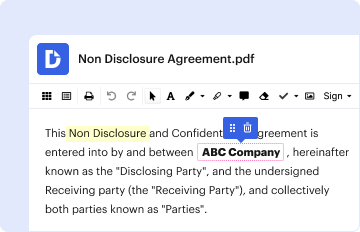
01. Edit your difficult conversation preparation worksheet online
Type text, add images, blackout confidential details, add comments, highlights and more.
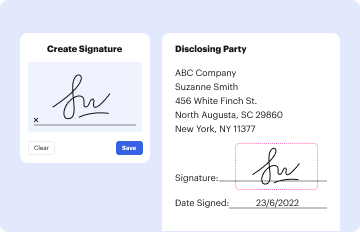
02. Sign it in a few clicks
Draw your signature, type it, upload its image, or use your mobile device as a signature pad.
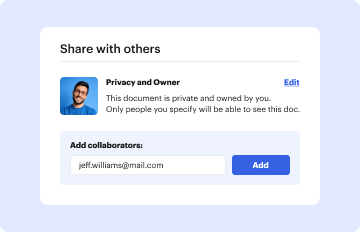
03. Share your form with others
Send difficult conversation worksheet via email, link, or fax. You can also download it, export it or print it out.
How to use or fill out difficult conversation preparation worksheet

- Click ‘Get Form’ to open it in the editor.
- Begin by identifying the person you want to talk with. Fill in their name at the top of the worksheet.
- In the 'IDENTIFYING THE PROBLEM' section, articulate the problem from your perspective. Take your time to express your thoughts and feelings clearly.
- Consider how you believe the other person perceives the problem. Write down your insights about their potential reactions and reasoning.
- Move on to 'CONTRIBUTING FACTORS.' Reflect on any past events or current situations that may influence your feelings and document them.
- In 'HAVING THE CONVERSATION,' plan when and where you will have this discussion. Be specific about timing and location for optimal success.
- Frame what you want to say using the provided structure: When you [specific behavior], I feel [emotion] because [impact].
- Prepare for possible reactions from the other person and think through how you will respond, practicing your script as needed.
Start using our platform today to effectively prepare for your difficult conversations!
Fill out difficult conversation preparation worksheet online
It's free
It's free
See more difficult conversation preparation worksheet versions
We've got more versions of the difficult conversation preparation worksheet form. Select the right difficult conversation preparation worksheet version from the list and start editing it straight away!
| Versions | Form popularity | Fillable & printable |
|---|---|---|
| 2015 | 4.3 Satisfied (42 Votes) |
Got questions?
We have answers to the most popular questions from our customers. If you can't find an answer to your question, please contact us.
Contact us
What are the four steps in preparing for a difficult conversation?
Here are four crucial communication skills and steps that will help you manage a difficult conversation without detrimental confrontation. 1) Speak directly with the other person. 2) Soften the conversation during difficult conversations. 3) Be a good listener. 4) Be solution-focused.
What is the 10 second rule for difficult conversations?
The 10-second rule is simple: when things get heated, take 10-seconds to pause before you respond.
What are the 3 Cs of difficult conversations?
When tensions rise, its important to use the three Cs of communicationconfidence, clarity and control.
What are the three Cs to difficult conversations?
Three Cs of Communication to Navigate Tough Conversations When tensions rise, its important to use the three Cs of communicationconfidence, clarity and control.
What are the 4 Ds of denial?
The 4 Ds Deny, Deflect, Defend, and Diffuse mirror the instinctive reactions we often exhibit when faced with the discomfort of accountability, much like my instinct to hide during challenging gym sessions.
Security and compliance
At DocHub, your data security is our priority. We follow HIPAA, SOC2, GDPR, and other standards, so you can work on your documents with confidence.
Learn more


People also ask
What are the four stages of the conversation framework?
Based on the four behavioral phases of the Situational Conversations Framework, here is a four-step approach to having effective performance conversations with team members. Step 1: Diagnose. First, you need to diagnose the performance issue through a holistic lens. Step 2: Adapt. Step 3: Communicate. Step 4: Advance.
What are the 4 Ds of communication?
Our words can unite or disconnect us. When we use language with the 4 Ds - Demands, Deserve, Diagnosis, and Denial of Responsibility -- we are less likely to inspire compassion, cooperation, or connection. Take a moment to identify which of the 4Ds, and youll then start noticing them in your own conversations.
What are the 4 Ds of difficult conversation?
Another important thing to understand about navigating difficult conversations are the 4 Ds or discover, define, discuss and decide.