



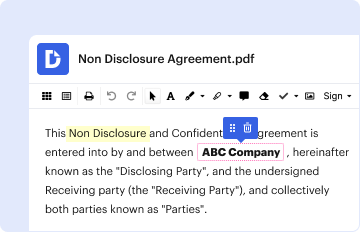
01. Edit your irs rules for rental property online
Type text, add images, blackout confidential details, add comments, highlights and more.

Type text, add images, blackout confidential details, add comments, highlights and more.
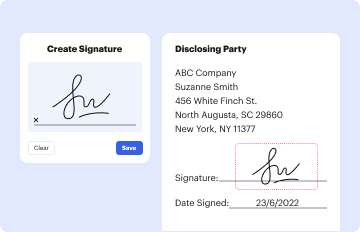
Draw your signature, type it, upload its image, or use your mobile device as a signature pad.

Send form 8825 via email, link, or fax. You can also download it, export it or print it out.
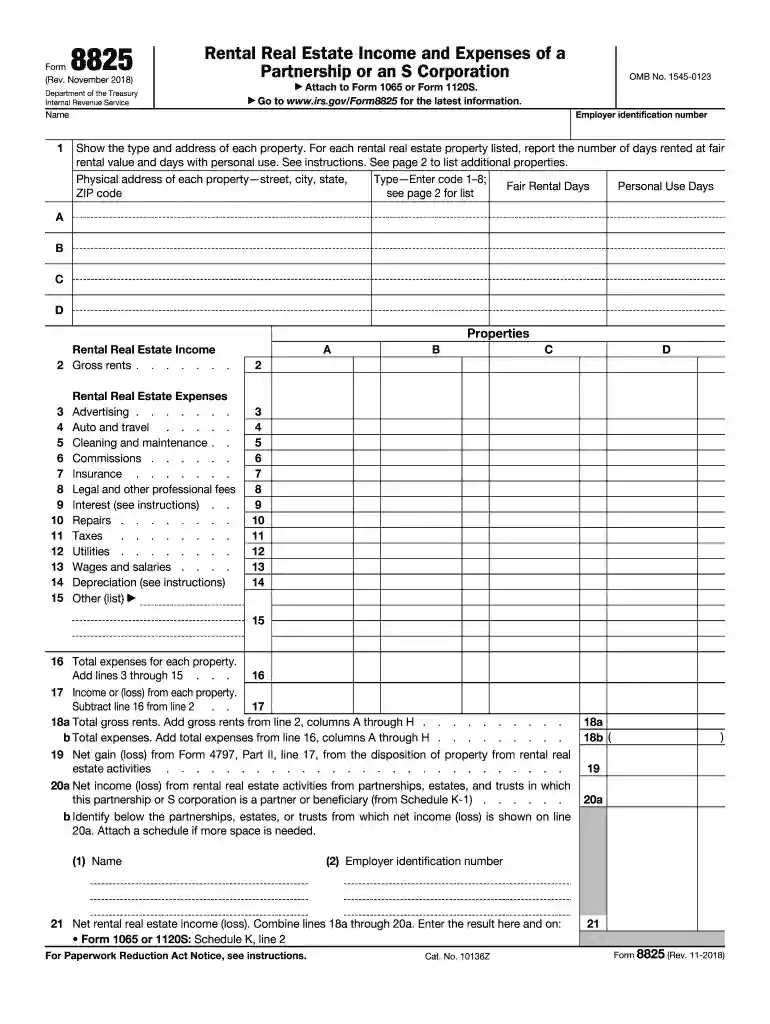
Form 8825 is utilized by partnerships and S corporations to report income and expenses derived from rental real estate activities. It serves as a critical document for businesses engaged in real estate operations, enabling them to provide detailed financial information to the IRS. The form includes sections for reporting rental income, operating expenses, and days the property is rented as opposed to personal usage. Understanding the form’s intention helps businesses accurately portray their financial activities and adhere to federal tax regulations.
Form 8825 can be obtained directly from the IRS website, offering both a downloadable PDF and an option to request a paper form by mail. Businesses might also access the form through tax software systems like TurboTax or QuickBooks, which provide an integrated experience by guiding users through required information fields. Moreover, professional tax advisors or consultants often maintain copies and can assist in acquiring and completing the form.
Gather Financial Data: Collect all relevant rental property income and expense documentation, including leases, receipts, and mortgage statements.
Fill Out Rental Income Section: Provide the total rental income received across all properties.
Detail Operating Expenses: Include allowable deductions such as repairs, insurance, and property taxes.
Complete Summary Information: Accumulate total net income or loss and transfer this to the entity’s primary tax return forms.
Review Passive Activity Limitations: Ensure compliance with IRS rules on passive activity loss limitations which may affect deductible losses.
Submit with Partner Tax Documents: Attach Form 8825 to the partnership or S corporation’s comprehensive tax filing.
Ensuring that each section is carefully filled with accurate data is vital for compliance and reducing the chance of an IRS audit.
Rental Real Estate Income: Detailed documentation of the gross income derived from rental properties.
Expense Categories: Including costs related to marketing, maintenance, property repairs, and supplies.
Depreciation Sections: Rules and calculations for property wear and tear over time.
Net Income or Loss Calculation: Determines the taxable figure resulting from rental activities.
These elements collectively provide a comprehensive picture of the business’s rental real estate operations, helping to guide tax liabilities.
Form 8825 is typically used by partnerships and S corporations engaged in rental real estate. Various business structures such as LLCs operating under these tax classifications might require this form if they earn income or incur expenses related to rental properties. It’s a form that reflects legislative efforts to simplify real estate income assessment for businesses rather than individuals.


Passive Income and Loss: Revenue and deductions from rental activities not actively managed by the owner.
Fair Rental Days: Days during which the property is available to generate rental income.
Personal Use Days: Days when the property is utilized for personal purposes, affecting deduction eligibility.
Understanding these terms is crucial for accurately completing the form and ensuring tax compliance.
The IRS provides specific guidelines on how to complete Form 8825, including instructions for passive activity limitations and how to handle various types of real estate income and deductions. Proper adherence to these guidelines is essential to ensure accurate reporting and minimize the risk of penalties or additional taxes.
Form 8825 should be filed in conjunction with the partnership or S corporation’s tax return, typically by the 15th day of the third month following the end of the entity's fiscal year. For most, this translates to March 15 for entities operating on a calendar year basis. Failing to submit by this deadline may lead to late filing penalties and interest on unpaid taxes.
Failure to comply with IRS requirements for Form 8825, whether through late filing or inaccurate information, can result in significant penalties. The IRS may impose fines based on the gravity of the non-compliance and whether it arises from negligence or fraudulent intent. Timely and precise submission of Form 8825 is therefore paramount for maintaining good standing with the IRS.
We've got more versions of the irs rules for rental property form. Select the right irs rules for rental property version from the list and start editing it straight away!
At DocHub, your data security is our priority. We follow HIPAA, SOC2, GDPR, and other standards, so you can work on your documents with confidence.
Partnerships and. S corporations use Form 8825 to report income and deductible expenses from rental real estate activities, including net income (loss) fromRead more
Net rental real estate income (loss) (attach Form 8825) . . . . . . . . . . . 2. 3a Other gross rental income (loss) . . . . . . . . 3a b Expenses from otherRead more
Sep 3, 2025 1 Enter the address and type of each rental real estate property. For each rental real estate property listed, report the number of.Read more


