






Understanding Psychosocial Assessment
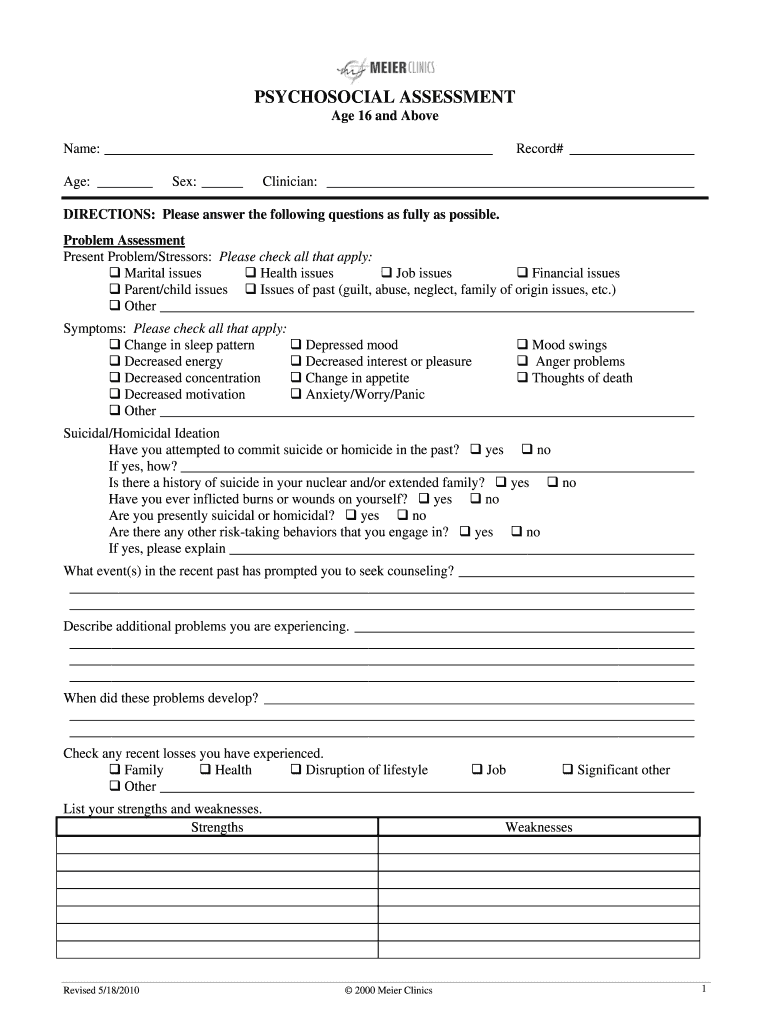
A psychosocial assessment is a comprehensive evaluation that seeks to understand an individual's mental health status and life circumstances, particularly focusing on their emotional, psychological, and social well-being. This assessment is crucial in counseling and treatment planning, as it informs mental health professionals about the various factors influencing an individual's life, including their background, current challenges, and strengths.
Key Components of a Psychosocial Assessment
The psychosocial assessment comprises various sections that aim to gather detailed information. Each section is designed to explore specific aspects of an individual’s life, including:
- Personal Information: Collecting demographic data and basic information about the individual, such as name, age, gender, and contact details.
- Problem Assessment: Identifying the main issues or concerns that led the individual to seek help. This may include specific mental health conditions, emotional distress, or social difficulties.
- Psychiatric History: A review of past psychiatric evaluations, treatments, or hospitalizations to understand the individual’s mental health history.
- Medical Information: Documenting any significant medical conditions, current medications, or treatments that may affect psychological health.
Social Factors Influencing Mental Health
Social relationships and environmental factors significantly impact an individual’s mental health. A thorough psychosocial assessment includes an exploration of:
- Living Arrangements: Analyzing the individual's current living situation, including the stability of housing, which can affect mental well-being.
- Marital and Family History: Understanding family dynamics, marital status, and relationships that can support or hinder mental health.
- Financial Situation: Evaluating economic stability, which can influence stress levels and access to mental health resources.
Assessing Substance Use and Lifestyle
Substance use plays a critical role in mental health evaluations. Key areas to examine include:
- History of Substance Use: Documenting any past or current substance use, including alcohol, prescription medications, or illicit drugs.
- Nutritional Status: Understanding dietary habits and nutritional health, as they can affect energy levels and mental functioning.
- Developmental History: Reviewing developmental milestones and any challenges faced during childhood or adolescence that may affect current functioning.
Legal and Educational Considerations
Legal history and educational background can also impact the psychosocial assessment process:
- Legal History: Exploring any legal issues, arrests, or family court involvement that may affect an individual’s emotional and psychological state.
- Educational History: Evaluating educational attainment, learning disabilities, or experiences within the educational system that can influence self-esteem and social integration.
Psychosocial Status and Treatment Recommendations
The outcome of a psychosocial assessment typically includes:
- Strengths and Resources: Identifying personal strengths and support systems that can be leveraged during treatment.
- Treatment Recommendations: Based on the collected information, clinicians can provide tailored treatment plans that may involve therapy, support groups, or psychiatric interventions.
Effective psychosocial assessments are essential for understanding the complex interplay of mental, emotional, and social factors in an individual’s life. Proper assessment can guide professionals in implementing effective counseling and treatment strategies, ultimately enhancing client outcomes and fostering resilience.