




01. Edit your wg15 form online
Type text, add images, blackout confidential details, add comments, highlights and more.

Type text, add images, blackout confidential details, add comments, highlights and more.

Draw your signature, type it, upload its image, or use your mobile device as a signature pad.

Send wg15 via email, link, or fax. You can also download it, export it or print it out.
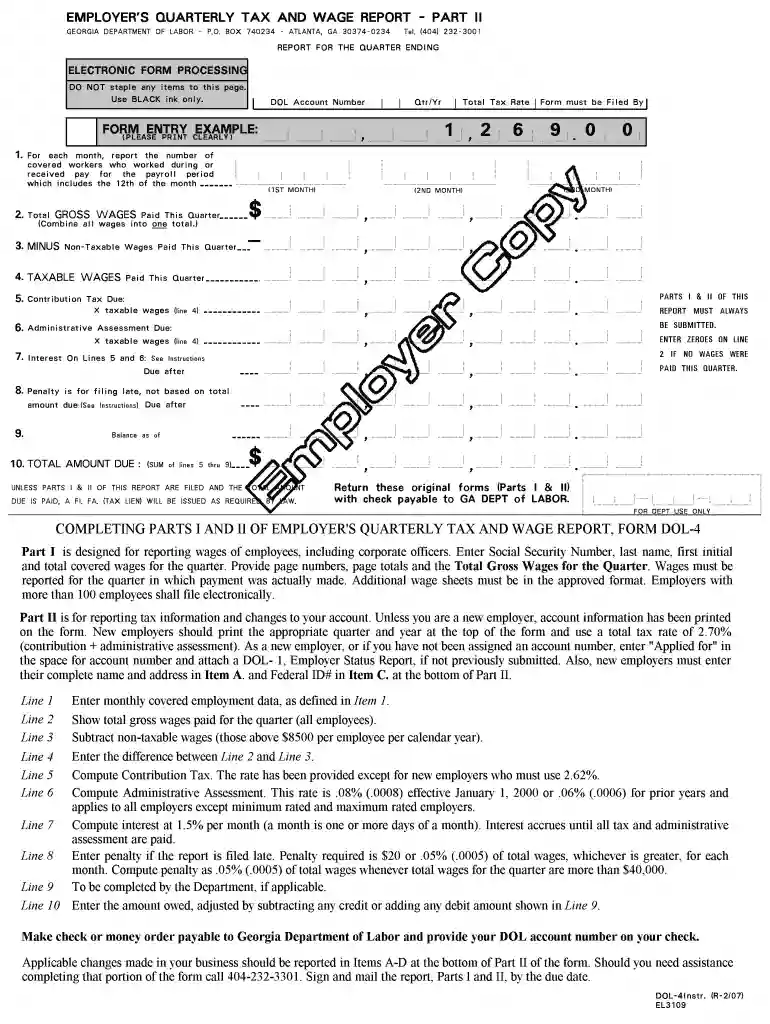
The WG15 form is the Wage Verification Form from the Georgia Department of Labor, primarily used to verify an individual's income. It is often required for various purposes, including food stamp applications, unemployment verification, and other financial assistance programs. The WG15 form is essential for employers and employees alike, as it provides an official record of wages earned, serving as proof of income for individuals applying for assistance.
Acquiring a WG15 form is straightforward and can typically be done through various means. Individuals seeking this form can follow these steps:
Completing the WG15 form involves a series of detailed steps. To ensure accuracy, individuals should follow these guidelines:
Understanding specific terminology is crucial when working with the WG15 form. Some important terms include:
The WG15 form is intended for use in legal compliance with various state and federal requirements related to income verification. It holds significance in several contexts:
Understanding the legal ramifications of completing this form helps ensure compliance with state regulations and may aid in processing applications swiftly and accurately.
At DocHub, your data security is our priority. We follow HIPAA, SOC2, GDPR, and other standards, so you can work on your documents with confidence.
We are so excited to all get together and return to campus for our 10 Year Reunion May 16 18th, 2025! Can you believe its been 10 years since we graduated?Read more
This authorization form may be used by individuals to request the release of their unemployment records or information to a government agency or non-profitRead more
May 17, 2024 (ICAO FSMP-WG/15) Control of aircraft via ADS and Controllers/Pilot Data Link Communication (CPDLC) is sufficiently different to other formsRead more


