Intent to rent form 2026

Get Form
intent to rent letter Preview on Page 1

Here's how it works

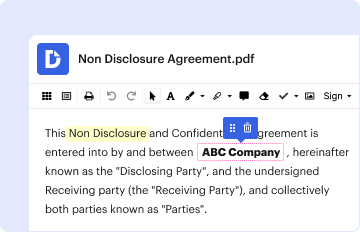
01. Edit your intent to rent letter online
Type text, add images, blackout confidential details, add comments, highlights and more.

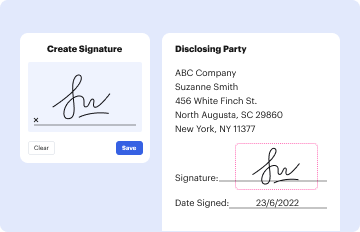
02. Sign it in a few clicks
Draw your signature, type it, upload its image, or use your mobile device as a signature pad.

03. Share your form with others
Send intent to rent letter pdf via email, link, or fax. You can also download it, export it or print it out.

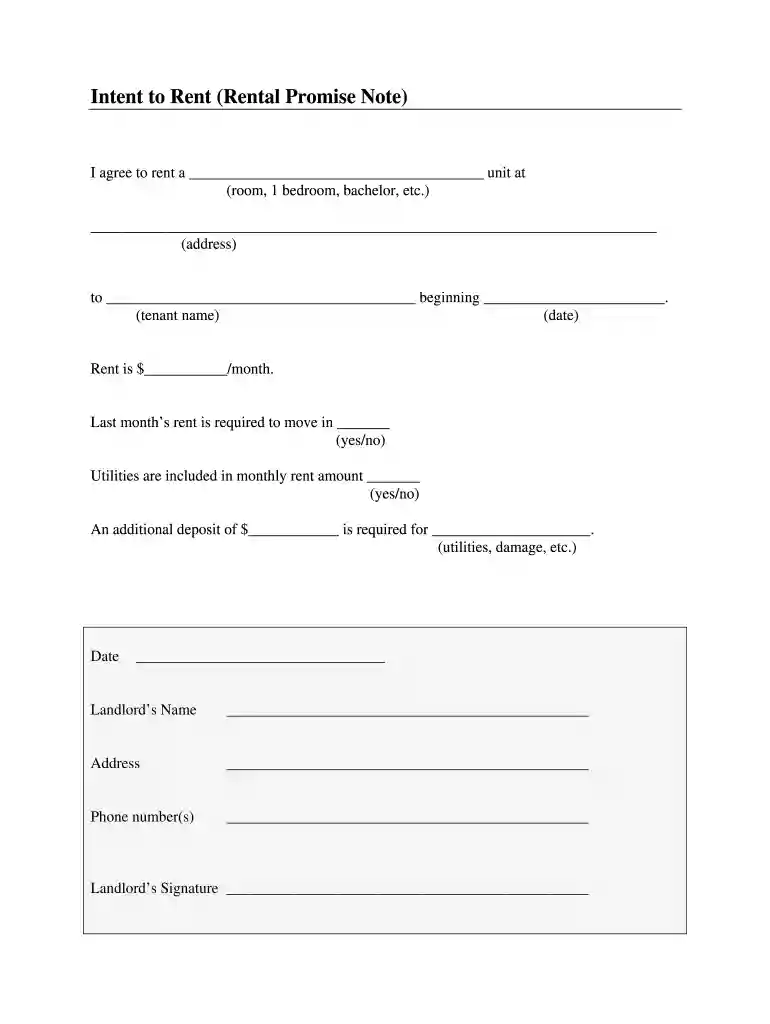
Definition and Purpose of the Intent to Rent Form

The intent to rent form is a formal document that signifies an agreement between a landlord and a prospective tenant indicating the tenant's desire to rent a specific property. This form provides a preliminary understanding of the rental terms before a lease is finalized. The intent to rent form typically includes essential details such as:

  • Property Information: Specifies the address and type of unit the tenant intends to rent.
  • Tenant Details: Includes the names and contact information of all prospective tenants.
  • Rental Terms: Outlines the proposed rental start date, monthly rent amount, security deposit requirements, and whether utilities are included.
  • Landlord Information: Provides the contact details for the landlord or property manager.

Understanding the intent to rent is crucial for both parties to ensure clarity before moving forward to a longer-term lease agreement. This form acts as a foundation for the obligations and expectations concerning the rental arrangement.

Key Elements of the Intent to Rent Form

The intent to rent form contains several critical components that ensure both the landlord and tenant understand their roles and responsibilities. Common elements include:

  • Unit Type: Clearly defines whether the unit is a single-family home, apartment, or condominium.
  • Total Rent: Specifies the monthly rent amount and any required fees.
  • Security Deposit: Details about the security deposit required before move-in and the conditions for its return.
  • Rental Duration: Indicates whether the agreement is for a fixed term or open-ended rental.
  • Utilities: Notes which utilities are included in the rent and which are the tenant's responsibility.
  • Contact Information: Essential phone numbers and email addresses for the landlord and all tenants involved.

These elements establish clear guidelines and expectations, minimizing misunderstandings in the rental process.

Steps to Complete the Intent to Rent Form

Filling out the intent to rent form involves several clear steps to ensure all necessary information is accurately documented:

  1. Gather Property Information: Confirm the address and details about the rental unit.
  2. Input Tenant Information: Enter the full names and contact details of all prospective tenants.
  3. Specify Rental Amount: Clearly state the rent amount and any additional fees or deposits required.
  4. Outline Terms: Define the rental start date and duration of the agreement.
  5. Sign the Form: Each party should sign and date the form, indicating their commitment to the terms outlined.

Completing the form thoroughly is essential for avoiding disputes later on and ensuring that both parties are aligned regarding the rental terms.

Variants and Alternative Versions of the Intent to Rent Form

While the intent to rent form serves a standard purpose, there may be different versions tailored to specific circumstances. Variants include:

  • State-Specific Forms: Various states may have their own specific requirements or language for the form, such as the BC intent to rent form in British Columbia, Ontario's intent to rent form, or variations tailored to local laws.
  • Templates for Specific Situations: Some landlords may offer customized templates for unique housing situations, such as short-term rentals or shared accommodations.

Using the correct version of the intent to rent form is vital to ensure compliance with local regulations and to meet the specific needs of the rental arrangement.

Legal Use of the Intent to Rent Form

The intent to rent form carries legal significance. It acts as a preliminary agreement, helping to establish the terms under which a tenant wishes to rent a property. This form typically becomes part of the leasing negotiations. Important legal aspects include:

  • Binding Agreement: Depending on how it is drafted, the intent to rent form may be legally binding once signed, creating obligations for both landlord and tenant.
  • Evidence of Intent: Should any disputes arise, this document provides evidence of the intentions and expectations of both parties.
  • State Regulations: It's important to be aware that different states may have varying laws regarding the enforceability of the intent to rent.

Utilizing this form appropriately can provide an added layer of security and clarity for both tenants and landlords.

Examples of Using the Intent to Rent Form

The intent to rent form can be applied in various scenarios. Here are a few practical examples:

  • Residential Lease: A family looking to rent a single-family home might complete an intent to rent form, outlining their offer and conditions before the landlord prepares a lease.
  • Student Housing: College students seeking off-campus apartments often use this form to initiate rental discussions with landlords, highlighting rental terms tailored to their academic schedules.
  • Short-Term Rentals: In cases such as vacation properties, an intent to rent form may be used to confirm specifics before a more detailed rental agreement is drawn up.

These examples demonstrate how the form facilitates a clear understanding of rental arrangements across different housing situations. Each scenario reinforces the necessity of documenting intentions early in the rental process.

be ready to get more

Complete this form in 5 minutes or less

Get form

Got questions?

We have answers to the most popular questions from our customers. If you can't find an answer to your question, please contact us.
Contact us
It helps establish clear expectations regarding rental terms, including the amount of rent, deposit requirements, and other essential details. This document serves to protect both parties by clearly outlining their responsibilities and obligations related to the rental property.
A Comprehensive Guide on Composing a Letter of Landlord Verification Start with Your Contact Information. Add the Date. Address the Recipient. Tell the Tenant About Yourself Your Relationship. Provide Rental Details. Mention the Tenants Behavior. Conclude the Letter.
A residential letter of intent to lease is a document used by lease applicants to express a formal interest in renting residential property. Its drafted after the landlord and applicant negotiate rental terms, but before the parties enter into a definitive contract.
What Happens If You Dont Give 30-days Notice To Vacate? If you do not provide your tenant with adequate notice, you will not have the legal grounds to end the tenancy. Likewise, if a tenant does not give you enough notice they could be subject to penalties (such as the landlord withholding their security deposit).
Dear (Landlords Name), I am writing to formally notify you of my intent to vacate the premises located at (Rental Property Address) on (Move-Out Date). This notice is being given in ance with the (30-day/60-day) notice requirement outlined in our lease agreement. My last day of residence will be (Move-Out Date).

Security and compliance

At DocHub, your data security is our priority. We follow HIPAA, SOC2, GDPR, and other standards, so you can work on your documents with confidence.

Learn more
ccpa2
pci-dss
gdpr-compliance
hipaa
soc-compliance
be ready to get more

Complete this form in 5 minutes or less

Get form

People also ask

Handwritten contracts are legally binding if they meet the necessary conditions that apply to all contracts: mutual agreement, capacity, consideration, and legal validity. There are no legal differences between typed and handwritten agreements when it comes to enforceability.

intent to rent form pdf