


Temporary occupancy agreement form 2026

Get Form
temporary occupancy agreement form Preview on Page 1

Here's how it works

01. Edit your temporary occupancy agreement form online
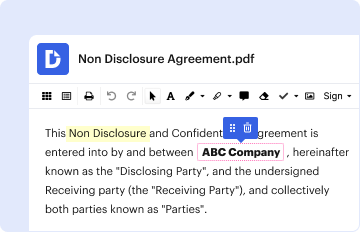
Type text, add images, blackout confidential details, add comments, highlights and more.
02. Sign it in a few clicks
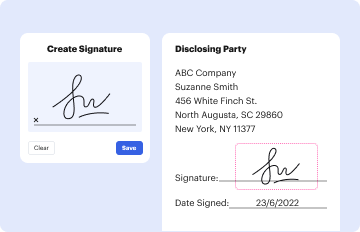
Draw your signature, type it, upload its image, or use your mobile device as a signature pad.
03. Share your form with others
Send it via email, link, or fax. You can also download it, export it or print it out.

How to use or fill out temporary occupancy agreement form with our platform

Form edit decoration
9.5
Ease of Setup
DocHub User Ratings on G2
9.0
Ease of Use
DocHub User Ratings on G2
  1. Click ‘Get Form’ to open the temporary occupancy agreement in the editor.
  2. Begin by entering the date at the top of the form, followed by the names of all tenants involved and the rental address, including city, state, and zip code.
  3. In section 1, specify the purpose of this amendment by clearly stating the landlord's and tenant's names as per the original rental agreement.
  4. For section 2, fill in the name of the temporary occupant who will be moving into the premises.
  5. In section 3, indicate the move-in date for the temporary occupant. If applicable, leave a termination date blank for an indefinite agreement.
  6. Review section 4 carefully and check any additional agreements that apply to ensure all parties are aware of their responsibilities.
  7. Finally, have all parties sign and date at the bottom of the form to finalize this agreement.

Start using our platform today to easily complete your temporary occupancy agreement for free!

be ready to get more

Complete this form in 5 minutes or less

Get form

Got questions?

We have answers to the most popular questions from our customers. If you can't find an answer to your question, please contact us.
Contact us
California: Guests become tenants when they stay for over 14 days within six months, or seven nights in a row.
The GAR Temporary Occupancy Agreement is designed to cover the Seller remaining in the property for up to 60 days. If the Seller needs longer than 60 days, a lease should be used.
Borrower must occupy, establish, and use the Property as xxs principal residence within 60 days after the execution of this Security Instrument and must continue to occupy the Property as xxs principal residence for at least one year after the date of occupancy, unless otherwise agrees in writing,
Occupants are not tenants and are not on the lease. However, you can authorize them to stay on the property. Occupants do not have financial responsibility for the lease and have no specific rights under landlord/tenant law.
Temporary occupancy refers to a short-term arrangement where a buyer is permitted to occupy a property for a specific period before the closing. This can be useful in situations where the buyer needs time to finalize financing or complete other necessary tasks before the official closing.

Security and compliance

At DocHub, your data security is our priority. We follow HIPAA, SOC2, GDPR, and other standards, so you can work on your documents with confidence.

Learn more
ccpa2
pci-dss
gdpr-compliance
hipaa
soc-compliance
be ready to get more

Complete this form in 5 minutes or less

Get form

People also ask

It is important to note that a use and occupancy agreement is not the same as a lease agreement. A lease agreement creates a landlord-tenant relationship, whereas a use and occupancy agreement allows the seller to occupy the property temporarily before the buyer takes full ownership.
The primary difference between an occupant and a leaseholder lies in their legal standing and responsibilities. A leaseholder, or tenant, has a formal rental agreement with the property owner, granting them certain rights and obligations, like paying rent and maintaining the property.
In short, tenants sign leases and must adhere to the rules and regulations. Occupants also must follow rules, but they dont have contracts.

Related links