






Overview of the ATV Bill of Sale in Minnesota
An ATV bill of sale in Minnesota serves as a crucial document for transferring ownership of an all-terrain vehicle from a seller to a buyer. This document not only confirms the transaction but also provides necessary details regarding the vehicle and the parties involved. It is essential for both private individuals and dealers within the state to understand the components of this bill of sale to ensure a smooth transfer and compliance with Minnesota's registration requirements.
Key Components of the Minnesota ATV Bill of Sale
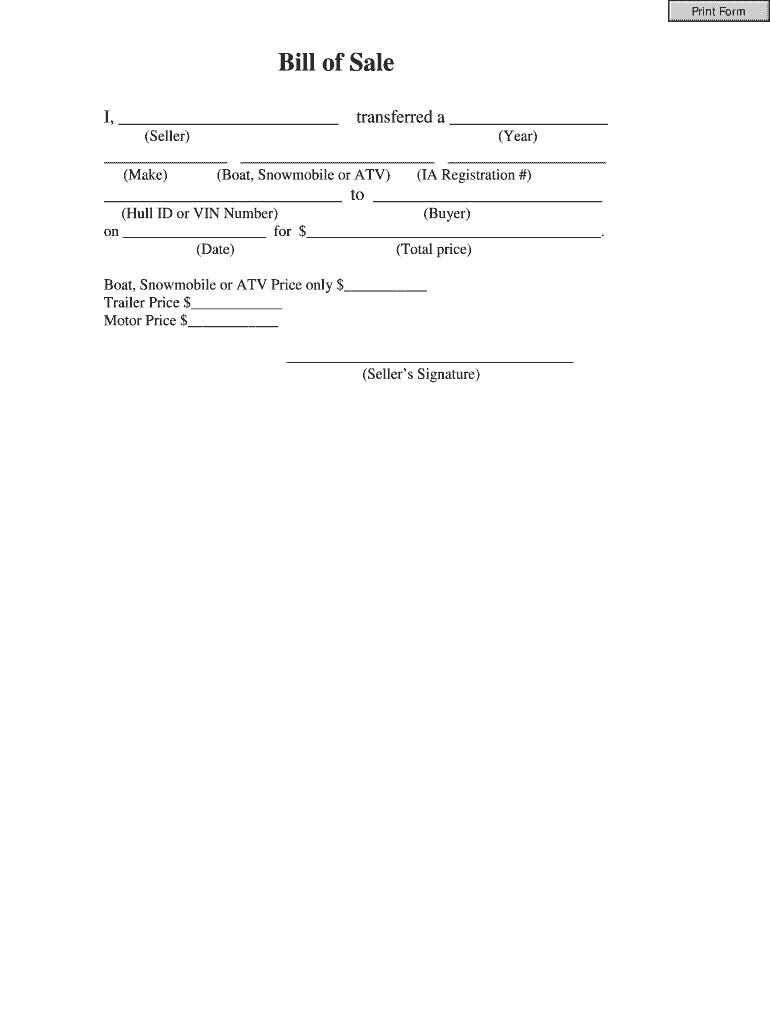
The ATV bill of sale should contain the following vital information:
- Buyer and Seller Information: Full names and addresses of both parties.
- Vehicle Description: Including year, make, model, Vehicle Identification Number (VIN), and any additional specifications.
- Sale Details: Date of sale and the total selling price, which is essential for both documentation and tax purposes.
- Signatures: Both the buyer and seller must sign the document for it to be legally binding.
Legal Considerations for ATV Transactions in Minnesota
In Minnesota, ensuring that the bill of sale adheres to state regulations is fundamental. The document should not only be signed but may also need to be notarized if required by the financing institution. Additionally, keeping a copy of the bill of sale is advisable for tax records and potential disputes.
- Notarization: While not mandatory, notarizing the bill of sale adds an extra layer of legitimacy to the transaction.
- Tax Implications: The sale may be subject to sales tax, which the buyer is responsible for paying upon registration.
Step-by-Step Guide to Completing an ATV Bill of Sale
- Gather Necessary Information: Before drafting the bill, collect information on the vehicle and personal identification for both parties.
- Fill out the Bill of Sale Template: Include all required fields mentioned in the key components overview.
- Review Details: Double-check all information for accuracy, including the VIN and sale price.
- Sign the Document: Have both parties sign the bill of sale in a designated area.
- Make Copies: Each party should retain a copy for their records.
Common Use Cases for an ATV Bill of Sale
An ATV bill of sale serves multiple scenarios:
- Private Sales: Individuals buying or selling their ATVs.
- Dealership Transactions: Used by dealerships for customer transactions and inventory management.
- Gift Transfers: When an ATV is gifted, a bill of sale is still useful to document the change of ownership officially.
Differences Between ATV and UTV Bills of Sale
While the bills of sale for ATVs (All-Terrain Vehicles) and UTVs (Utility Task Vehicles) share many similarities, certain distinctions may exist:
- Vehicle Specifications: The description fields may vary due to the different design and functionality of ATVs versus UTVs.
- Registration Requirements: The Minnesota Department of Natural Resources may have different guidelines based on vehicle type.
Printable and Editable Formats
For convenience, individuals purchasing or selling ATVs in Minnesota can utilize printable templates or editable forms available online. These often come in PDF format and can be tailored to fit specific details required for the transaction, enhancing ease of use and legal compliance.
Examples of ATV Bill of Sale Templates
A typical ATV bill of sale may look like this:
- Example One: A simple hand-written bill documenting the details in a structured manner.
- Example Two: A downloadable template available in PDF that can be filled out digitally, ensuring all information is captured neatly.
Importance of Accurate Record-Keeping
Proper documentation is essential not only for the transaction itself but also for future reference concerning registration and insurance. Keeping an accurate record of the ATV bill of sale protects both parties and provides evidence of ownership if disputes arise later.
Understanding the components, legal implications, and processes surrounding an ATV bill of sale in Minnesota is vital for ensuring secure and legitimate transfers of vehicle ownership.