






Definition and Meaning of the NOTARIZED SWORN STATEMENT OF THE CLAIMANT
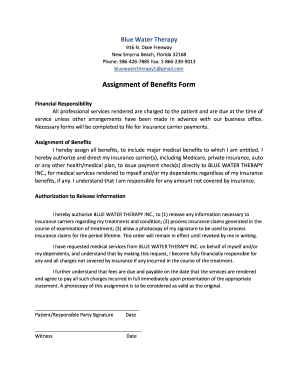
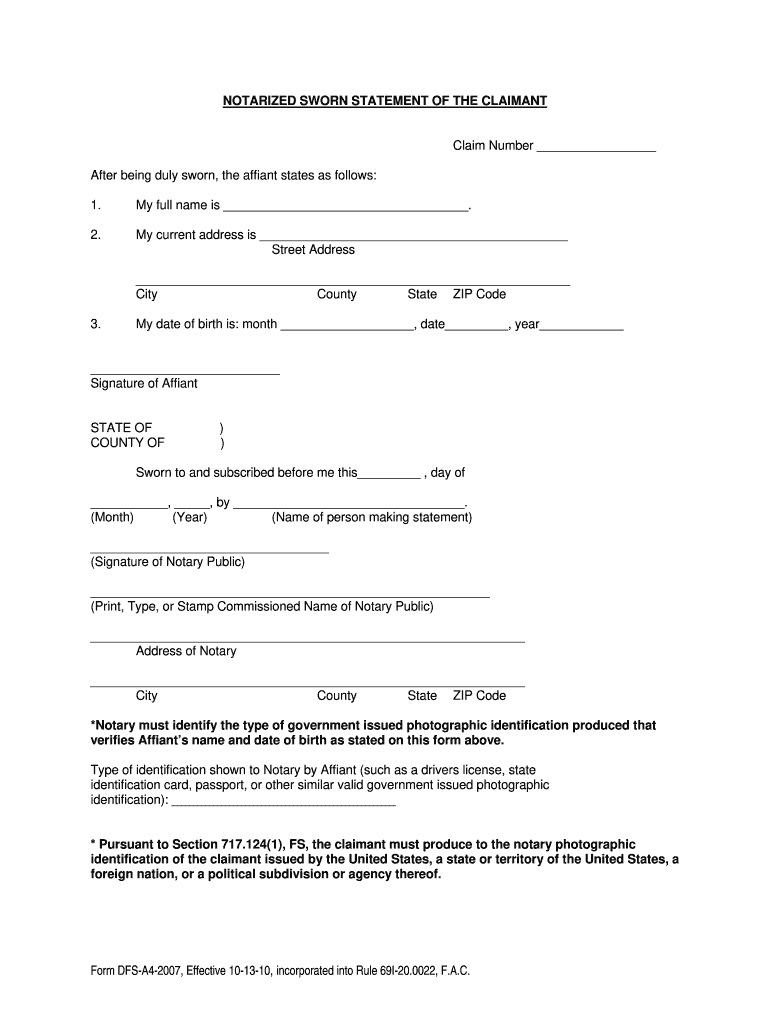
A notarized sworn statement of the claimant is a formal document where an individual, referred to as the claimant, declares under oath that the information provided is truthful to the best of their knowledge. This document is often used in legal proceedings, insurance claims, or other situations requiring verification of facts. The statement is essential for establishing credibility and reliability, as it carries the weight of a sworn declaration.
Key attributes of a notarized sworn statement include:
- Affiant Declaration: The individual completing the document must personally assert the truth of the contents. This is typically done through specific language indicating that they are affirming the truth under penalty of perjury.
- Notarization Requirement: A notary public oversees the signing of the document, confirming the identity of the affiant while providing an additional layer of authenticity. The notary's signature and official seal indicate that the document has been executed properly.
- Use in Legal Contexts: This statement can be crucial for various legal situations, including court cases, claims against insurance, or applications where factual assertions must be validated.
Steps to Complete the NOTARIZED SWORN STATEMENT OF THE CLAIMANT
Completing a notarized sworn statement involves several critical steps to ensure the document is accurate, compliant, and effectively notarized.
-
Gather Necessary Information:
- Collect all relevant personal and case-specific information to be included in the statement. This includes your full name, address, date of birth, and any specific facts or claims you are swearing to.
-
Draft the Statement:
- Write the statement clearly and concisely. Include a title that specifies it is a notarized sworn statement of the claimant. Clearly outline each fact you intend to swear to, ensuring that your assertions are straightforward and factual.
-
Review for Accuracy:
- Before proceeding to the notarization step, carefully review the document to eliminate any errors or omissions. Ensure that all claims are verifiable and supported by appropriate evidence if needed.
-
Schedule Notarization:
- Find a notary public, which can often be done at local banks, law offices, or dedicated notary services. Some online notary services can facilitate the notarization via video conference.
-
Sign in the Presence of the Notary:
- The next step is to sign the document in front of the notary. The notary will verify your identity, typically requiring a government-issued photo ID.
-
Notary Acknowledgment:
- The notary will then add their signature and seal to the document, formally notarizing the sworn statement. Ensure the notary completes all necessary fields, including date and notary commission information.
Important Terms Related to the NOTARIZED SWORN STATEMENT OF THE CLAIMANT
Several key terms are essential to understand when dealing with a notarized sworn statement of the claimant:
- Affidavit: A sworn written statement made under oath; often used interchangeably with a sworn statement.
- Notary Public: A legally appointed person who can administer oaths and witness signatures, providing a verification service for documents.
- Affiant: The person making the sworn statement who asserts the truth of the information provided in the document.
- Sworn Statement: A general term for a document in which an individual makes a factual assertion under oath, subject to penalties for perjury if the information is false.
- Notarization: The process of a notary public certifying that the signature on a document is genuine and that the signer acted voluntarily.
Understanding these terms can facilitate the proper execution and application of sworn statements in various contexts.
Who Typically Uses the NOTARIZED SWORN STATEMENT OF THE CLAIMANT
The notarized sworn statement of the claimant is utilized by a diverse range of individuals and organizations in various situations where verified facts are paramount. Common users include:
- Individuals Applying for Insurance Claims: Claimants often need to provide a sworn statement to verify the details of their claim, such as the events surrounding an accident or loss.
- Legal Professionals: Attorneys frequently employ notarized sworn statements in litigation to support their cases with verified evidence.
- Businesses: Companies may use these statements to substantiate claims regarding contractual obligations or disputes, particularly when providing affidavits for court proceedings.
- Government Agencies: Various governmental departments may require sworn statements for applications, such as claims for benefits or permits, where verified information is critical.
Awareness of these typical users can inform the writing and execution of the notarized sworn statement, tailoring it to the specific audience and purpose.


Legal Use of the NOTARIZED SWORN STATEMENT OF THE CLAIMANT
The notarized sworn statement of the claimant serves various legal functions, securing its place in numerous processes:
- Court Proceedings: The statement can be presented as evidence during legal cases. Its notarized status lends it more authority, as the facts declared have been sworn to under penalty of perjury.
- Insurance Claims: Insurers often require such documents to verify a claimant’s assertions about losses or incidents. The notarized nature can expedite claim processing by providing legitimacy to the information presented.
- Real Estate Transactions: In real estate matters, a notarized sworn statement may be needed to confirm certain facts related to property ownership, liens, or debt responsibilities.
- Affirmation of Identity and Residency: These statements can be utilized to affirm a person’s identity, residency, or eligibility for various services, such as financial aid or public assistance programs.
Understanding the legal use of these statements is crucial for anyone engaging in situations where verified claims might be scrutinized by courts or other authorities.