




01. Edit your ptin lookup online
Type text, add images, blackout confidential details, add comments, highlights and more.

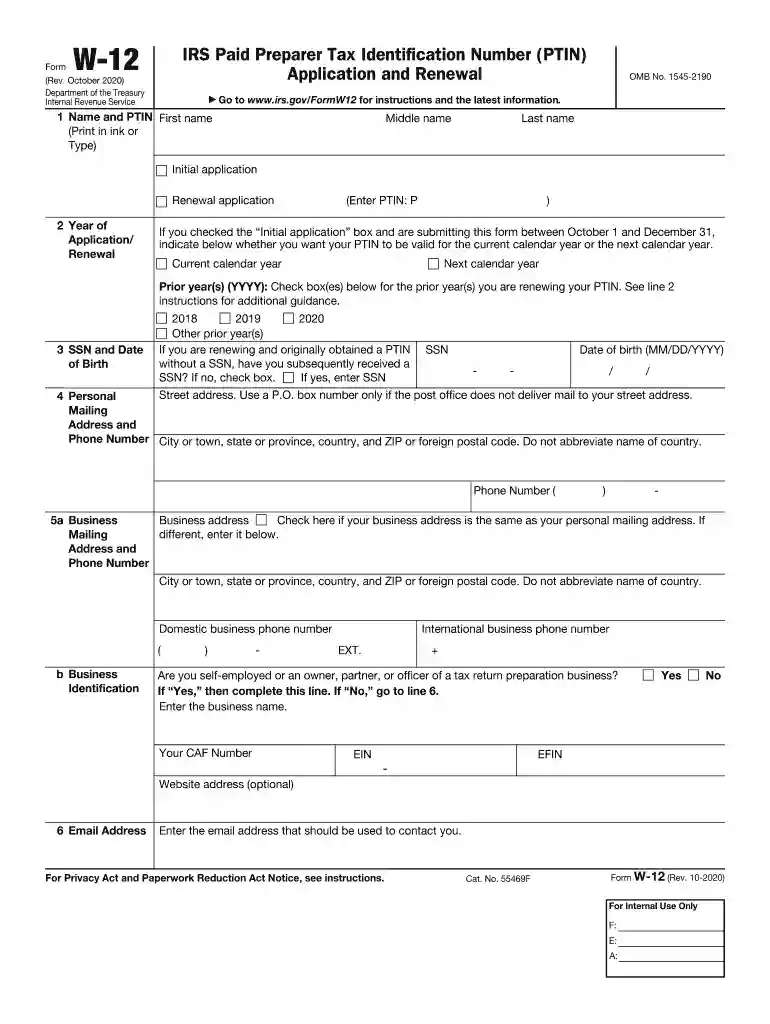
Type text, add images, blackout confidential details, add comments, highlights and more.

Draw your signature, type it, upload its image, or use your mobile device as a signature pad.

Send ptinhub via email, link, or fax. You can also download it, export it or print it out.
The PTIN, or Paid Preparer Tax Identification Number, is an identification number used by tax return preparers in the United States. It is required by the Internal Revenue Service (IRS) for professionals who prepare or assist in preparing federal tax returns for compensation. The PTIN helps the IRS track the activity of tax preparers, ensuring compliance with tax laws and regulations. Each tax preparer must obtain and renew their PTIN annually if they wish to continue practicing.
To obtain a PTIN, individuals must complete an application process through the IRS. The process can be done online or via a paper application. Here are the steps:
Completing the PTIN application involves several steps to ensure accuracy and compliance:
The primary reason for obtaining a PTIN is to legally prepare or assist in preparing tax returns for compensation in the U.S. Other reasons include:
Tax preparers across various professional roles utilize the PTIN to conduct their services legally:


The IRS provides strict guidelines on how PTINs should be used, including:
Understanding PTIN-related terminology can facilitate better compliance and usage:
Legal use of a PTIN extends beyond simply having one; it involves:
We've got more versions of the ptin lookup form. Select the right ptin lookup version from the list and start editing it straight away!
| Versions | Form popularity | Fillable & printable |
|---|---|---|
| 2025 | 4.7 Satisfied (38 Votes) | |
| 2024 | 4.6 Satisfied (28 Votes) | |
| 2023 | 4.6 Satisfied (29 Votes) | |
| 2022 | 4.3 Satisfied (25 Votes) | |
| 2021 | 4.8 Satisfied (69 Votes) | |
| 2020 | 4.4 Satisfied (86 Votes) | |
| 2019 | 4.4 Satisfied (59 Votes) | |
| 2017 | 4.4 Satisfied (61 Votes) | |
| 2017 | 4.4 Satisfied (205 Votes) | |
| 2015 | 4.4 Satisfied (325 Votes) | |
| 2014 | 4.1 Satisfied (55 Votes) | |
| 2013 | 4 Satisfied (29 Votes) | |
| 2012 | 4 Satisfied (56 Votes) | |
| 2011 | 4 Satisfied (54 Votes) |
At DocHub, your data security is our priority. We follow HIPAA, SOC2, GDPR, and other standards, so you can work on your documents with confidence.
Oct 16, 2025 Most first-time PTIN applicants can obtain a PTIN online in about 15 minutes. The fee is $18.75 and is non-refundable. View this checklist toRead more
A Preparer Taxpayer Identification Number (PTIN) is a unique eight-digit number preceded by the letter P, issued by the Internal Revenue Services (IRS)Read more
Date. Check if self-employed. PTIN. Firms name. Firms address. Firms EIN. Phone no. May the IRS discuss this return with the preparer shown above? SeeRead more


