Patient summary form 2026

Get Form
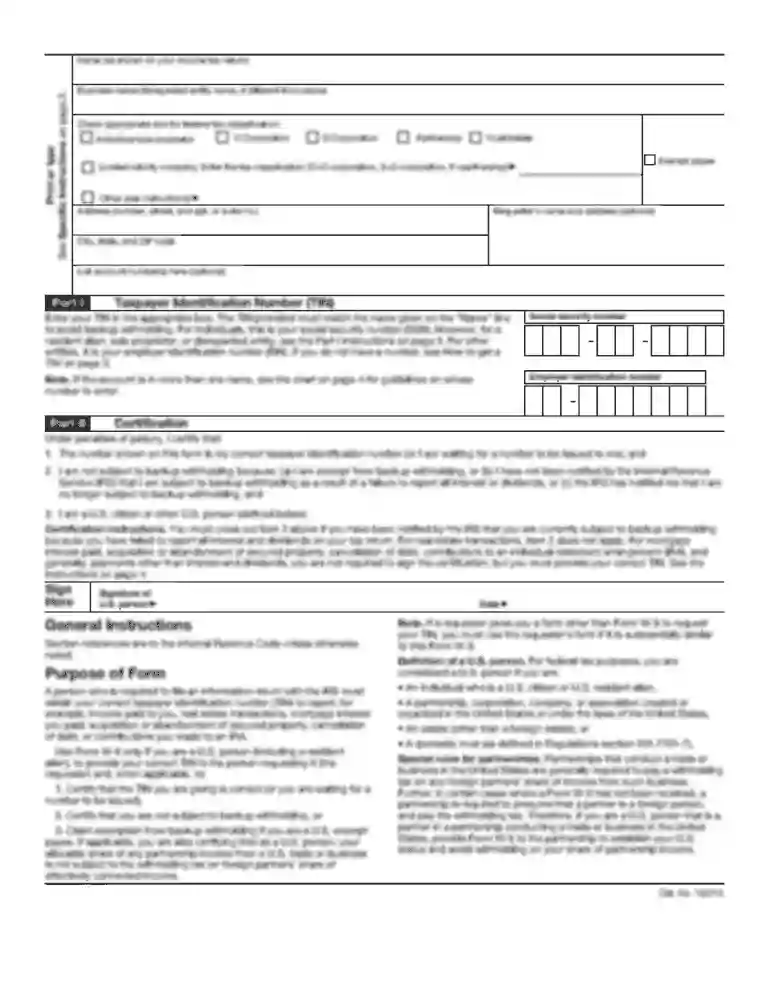
optum patient summary form Preview on Page 1

Here's how it works

01. Edit your optum patient summary form online
Type text, add images, blackout confidential details, add comments, highlights and more.

02. Sign it in a few clicks
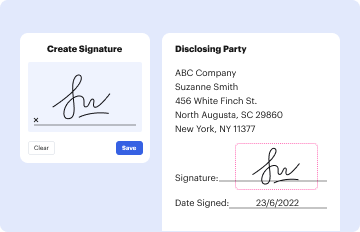
Draw your signature, type it, upload its image, or use your mobile device as a signature pad.

03. Share your form with others
Send myoptumhealthphysicalhealth patient summary form via email, link, or fax. You can also download it, export it or print it out.

How to use or fill out patient summary form with our platform

Form edit decoration
9.5
Ease of Setup
DocHub User Ratings on G2
9.0
Ease of Use
DocHub User Ratings on G2
  1. Click ‘Get Form’ to open the Patient Summary Form in the editor.
  2. Begin by entering the patient's name, date of birth, and address in the designated fields. Ensure accuracy for effective communication.
  3. Fill in the insurance details including Patient’s Insurance ID#, Health Plan, and Group Number. This information is crucial for processing claims.
  4. Indicate whether a referral is required by selecting 'Yes' or 'No', and provide details about the referring doctor if applicable.
  5. Complete the sections regarding the nature of the condition, anticipated treatment duration, and diagnosis. Be specific to ensure proper care.
  6. Sign and date the form at the bottom to confirm that all information provided is accurate and complete before submission.

Start using our platform today to easily fill out your Patient Summary Form for free!

See more patient summary form versions

We've got more versions of the patient summary form form. Select the right patient summary form version from the list and start editing it straight away!
Versions Form popularity Fillable & printable
2008 4.8 Satisfied (53 Votes)
be ready to get more

Complete this form in 5 minutes or less

Get form

Got questions?

We have answers to the most popular questions from our customers. If you can't find an answer to your question, please contact us.
Contact us
You can use your NHS account (through the NHS website or NHS App) or Patient Access to access your Summary Care records. Using our online patient service called Patient Access, you can: View parts of your GP record, including information about medication, allergies, vaccinations and test results.
Patient summary is a container that includes the most relevant health data domains that capture and consolidate patient information across various health care settings.
Your Summary Care Record contains basic information about allergies and medications and any reactions that you have had to medication in the past. Some patients, including many with long term health conditions, have previously agreed to have Additional Information shared as part of their Summary Care Record.
A complete patient summary requires sections for chief complaint, history of present illness, past medical history, medications, allergies, social history, family history, review of systems, physical examination findings, assessment, and plan.
How to Write Patient Summary Templates. Begin by gathering comprehensive patient data including demographics, medical history, current medications, allergies, recent test results, and treatment plans from reliable sources in the medical record.

Security and compliance

At DocHub, your data security is our priority. We follow HIPAA, SOC2, GDPR, and other standards, so you can work on your documents with confidence.

Learn more
ccpa2
pci-dss
gdpr-compliance
hipaa
soc-compliance
be ready to get more

Complete this form in 5 minutes or less

Get form

People also ask

Also known as patient visit summary template, it covers critical patient-specific information such as diagnoses, treatments, medications, upcoming appointments, and personalized self-care instructions meant to help support patient education.
Summary Statements are concise summaries of a patients condition, encapsulating key information from a patient encounter. The ability to craft a concise summary statement is a key indicator of clinical reasoning skills, as it requires the synthesis and prioritization of patient information (Smith et al, 2016).

patient summary form