


Helpful aspects 2025

Get Form
helpful aspects Preview on Page 1

Here's how it works

01. Edit your helpful aspects online
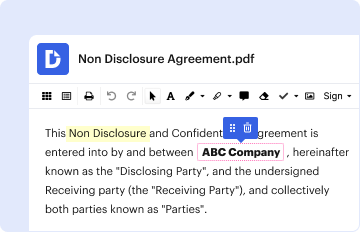
Type text, add images, blackout confidential details, add comments, highlights and more.
02. Sign it in a few clicks
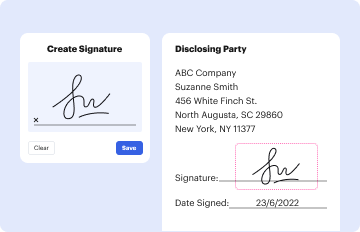
Draw your signature, type it, upload its image, or use your mobile device as a signature pad.
03. Share your form with others
Send helpful aspects of therapy form via email, link, or fax. You can also download it, export it or print it out.

How to Use or Fill Out the Helpful Aspects of Therapy Form

Form edit decoration
9.5
Ease of Setup
DocHub User Ratings on G2
9.0
Ease of Use
DocHub User Ratings on G2
  1. Click ‘Get Form’ to open it in the editor.
  2. Begin by entering your therapist's name and your client ID at the top of the form, along with the date and session number.
  3. In the first section, reflect on the most significant event from your session. Write down what occurred that you found impactful.
  4. Next, describe why this event was important to you and what insights you gained from it in the provided space.
  5. Rate how helpful or hindering this event was using the scale provided. Place an 'X' at your chosen point on the scale from 1 (hindering) to 9 (helpful).
  6. Indicate where in the session this event took place and estimate its duration in the respective fields.
  7. Answer whether any other helpful events occurred during this session by selecting 'YES' or 'NO'. If yes, rate its helpfulness and provide a brief description.
  8. Similarly, indicate if any hindering events occurred, rate their impact, and describe them briefly if applicable.

Start filling out your form today for free and streamline your therapy documentation process!

See more helpful aspects versions

We've got more versions of the helpful aspects form. Select the right helpful aspects version from the list and start editing it straight away!
Versions Form popularity Fillable & printable
2008 4.8 Satisfied (143 Votes)
be ready to get more

Complete this form in 5 minutes or less

Get form

Got questions?

We have answers to the most popular questions from our customers. If you can't find an answer to your question, please contact us.
Contact us
The therapeutic relationship, which is the cornerstone of the entire process, is fundamental to the success of this process. This alliance is built on trust, empathy, collaboration, and mutual respect to create a safe environment for clients to delve into their experiences and foster personal growth.
These are: the working alliance; the transferential/countertransferential relationship; the reparative/developmentally needed relationship; the person-to-person relationship; and the transpersonal relationship.
The therapy pays particular attention to affective, behavioural, cognitive and physiological level of functioning. Essentially, it allows for better adaptation of the therapy to the distinctive characteristics and needs of each client by allowing therapist to tailor their knowledge and experience to suit their needs.
The analysis of the clients experience of Integrative Psychotherapy revealed six categories of helpful aspects of therapeutic relationship: the therapists empathic attunement, the therapists acceptance, the match between the client and the therapist, feelings of trust and safety, feeling of connection, and
be ready to get more

Complete this form in 5 minutes or less

Get form