
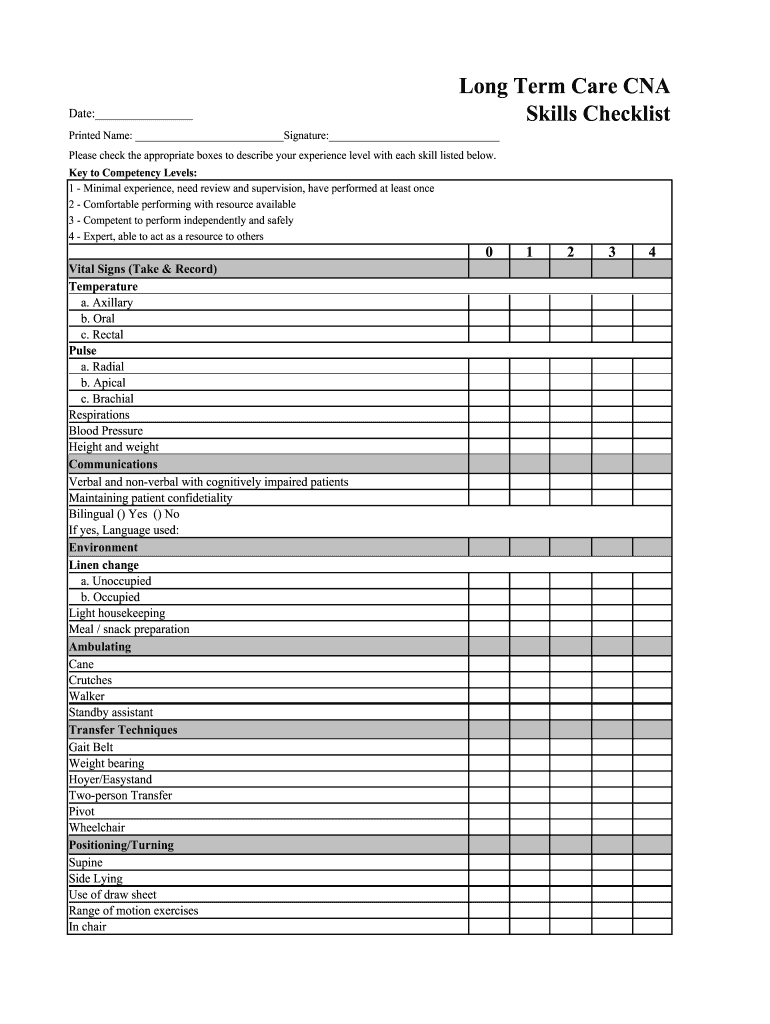







Comprehensive Long Term Care CNA Skills Checklist
This section covers the essential competencies for Certified Nursing Assistants (CNAs) working in long term care settings. Understanding these skills ensures CNAs can provide effective and compassionate patient care while maintaining safety and efficiency.
Core Skills Required for CNAs
The foundational skills necessary for a CNA in long term care include:
- Patient Care: Involves assisting with daily living activities such as bathing, dressing, and grooming, ensuring patient comfort and dignity.
- Vital Signs Monitoring: Regularly measuring and recording vital signs like temperature, blood pressure, pulse, and respiration, allowing for timely detection of changes in a patient's condition.
- Communication Skills: Effectively conveying information to patients and healthcare teams, as well as actively listening to patient concerns and needs.
- Nutrition and Feeding: Understanding dietary requirements and assisting residents with their meals, including feeding techniques for those who require assistance.
- Infection Control: Proper hand hygiene and the use of personal protective equipment (PPE) to prevent the spread of infections within the facility.
Evaluation of Skills and Competencies
The skills checklist is structured to assess a CNA's competency across various domains through a formal evaluation process.
- Competency Rating: Skills are rated on a scale from 1 (minimal experience) to 4 (expert), allowing for targeted training and development.
- Skill Demonstration: CNAs must demonstrate specific competencies, such as lifting and transferring patients safely to prevent injury.
- Feedback Mechanism: Incorporating feedback from supervisors and colleagues to continuously improve care practices and patient interactions.
Specialized Skills for Long Term Care
In addition to core skills, CNAs in long term care should have specialized knowledge relevant to the environment they work within:
- Safety Procedures: Understanding emergency protocols, including fire safety and disaster readiness, ensuring a quick and efficient response to emergencies.
- Patient Mobility Assistance: Techniques for assisting patients with mobility challenges, including the use of mobility aids such as walkers and wheelchairs.
- Behavioral Management: Strategies to manage challenging behaviors or cognitive impairments, ensuring a calm and supportive atmosphere for residents.
Forms of Documentation
Utilizing a structured approach to documentation is crucial. Documentation helps in tracking patient progress and facilitating communication among healthcare providers.
- Daily Logs: Keeping detailed records of patient care and any significant changes observed during shifts.
- Incident Reports: Documenting any unusual occurrences or accidents, following protocols for safety and legal compliance.
- Care Plans: Collaborating with healthcare teams to develop and update individualized care plans based on patient assessments and needs.
Best Practices for Implementation
The effective implementation of the CNA skills checklist involves several best practices:
- Regular Training: Scheduled training sessions for CNAs to ensure that they are updated on the latest healthcare practices and regulatory requirements.
- Mentorship Programs: Assigning experienced CNAs to mentor new hires, providing support as they adapt to their roles.
- Continuous Improvement: Establishing a culture of continuous quality improvement within the facility, encouraging CNAs to share insights and suggest improvements in patient care practices.
Compliance and Regulatory Standards
It is vital for CNAs to be aware of the regulations that govern their practice:
- State Licensing Requirements: Familiarity with state-specific regulations affecting CNA practice and continuing education requirements.
- Facility Policies: Understanding internal policies regarding patient care, safety protocols, and documentation standards.
Evaluation in Clinical Settings
An essential aspect of the long term care CNA skills checklist includes evaluating competencies in real clinical situations:
- Practical Assessment: Conducting hands-on assessments in clinical settings, allowing CNAs to showcase their competencies.
- Role-Playing Scenarios: Engaging in realistic scenarios that reflect common challenges faced in long term care, enhancing problem-solving and communication skills.
Advanced Skills and Future Development
For CNAs looking to expand their career opportunities, pursuing additional skills may be beneficial:
- Specialized Certifications: Opportunities to obtain certification in areas such as geriatric care, first aid, or CPR.
- Career Advancement: Exploring pathways to advanced roles, such as licensed practical nurse (LPN) or registered nurse (RN), through further education and training opportunities.
The long term care CNA skills checklist serves as a comprehensive resource for evaluating and developing the skills essential for providing high-quality patient care in a long-term care environment. By focusing on core, specialized, and advanced skills, CNAs can ensure they meet the diverse needs of the patients they serve while adhering to compliance and regulatory standards.




