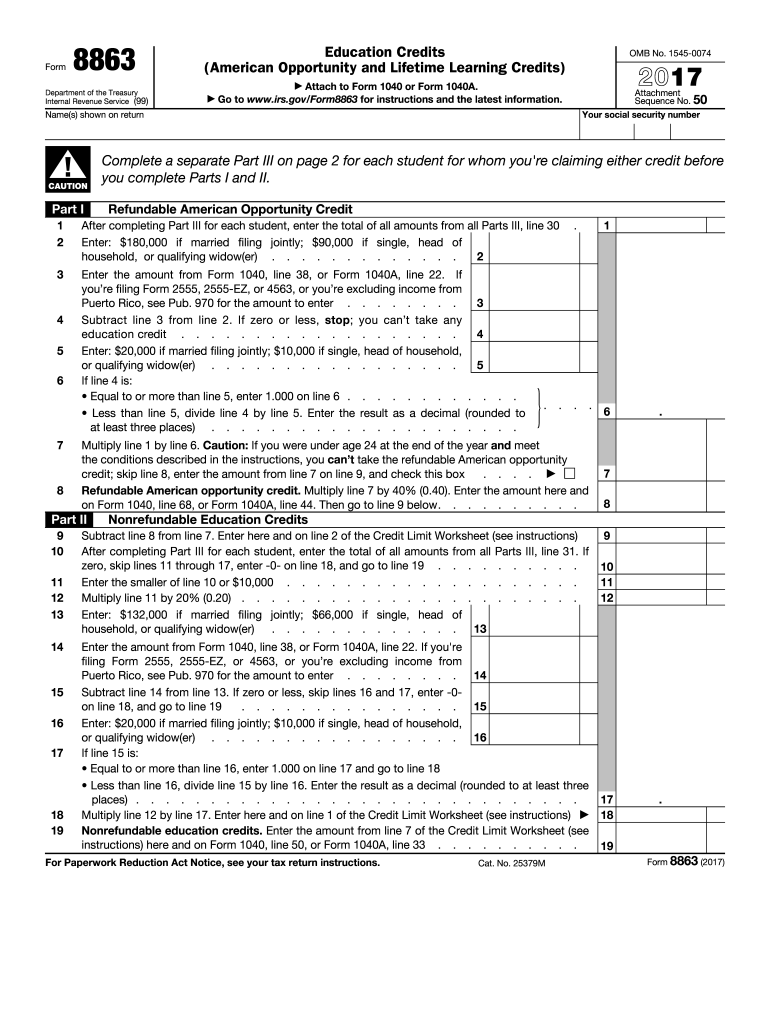







Definition and Purpose of IRS Form 2017
IRS Form 2017 refers to the generic term for tax forms released by the Internal Revenue Service (IRS) for the tax year 2017. These forms are essential for taxpayers in the United States to report their income, calculate taxes owed, and claim any relevant deductions or credits. The forms can vary widely, with common examples including the 1040, W-2, and 1099 forms, each serving different purposes based on the taxpayer's financial status and income sources.
Key Elements of IRS Form 2017
- Identification: Each form requires personal information, such as name, Social Security number, and address.
- Income Information: Forms collect details on wages, salaries, interest, dividends, and other income sources.
- Deductions and Credits: Allows taxpayers to list eligible deductions and credits, impacting the total tax liability.
- Tax Calculation: Forms provide a structure for calculating the total tax due, including any applied adjustments.
- Signatures: Legal declaration of accuracy and honesty, requiring taxpayer and potentially preparer signatures.
Steps to Complete IRS Form 2017
Completing an IRS form involves several steps to ensure accurate and complete submission. While forms differ, the general process includes the following:
- Gather Required Documents: Collect necessary financial documents, such as W-2s for income, 1099s for other earnings, and receipts for deductible expenses.
- Enter Personal Information: Fill out the personal and filing status information accurately.
- Report Income: Accurately report all income sources, ensuring all appropriate forms have been received and entered.
- Identify Deductions and Credits: List all eligible deductions and credits, referring to IRS guidelines for qualifying criteria.
- Calculate Taxable Income: Subtract deductions from total income to find taxable income and apply credits to reduce tax liability.
- Review and Sign: Double-check calculations and ensure all information is correct before signing the document.
- Submit the Form: File the completed form via mail or electronic submission by the designated deadline.
How to Obtain IRS Form 2017
Taxpayers can obtain IRS Form 2017 through various methods:
- Digital Download: Access the IRS website to download forms and instructions directly.
- Local IRS Office: Visit a local IRS office to pick up physical copies of the needed forms.
- Tax Software: Utilize tax preparation software that includes electronic forms ready for filing.
- Postal Request: Request physical forms via mail from the IRS, though this can take additional time.
Filing Deadlines and Important Dates
The IRS sets specific deadlines for filing taxes, and for the 2017 tax year, several important dates include:
- Form 1040 Deadline: Typically due by April 15 of the following year, unless extended due to weekends or holidays.
- Extension Request: Taxpayers can file for an extension using Form 4868, giving an additional six months to file.
- Estimated Tax Payments: Self-employed individuals must make estimated quarterly tax payments throughout the year to avoid penalties.
Required Documents for Filing IRS Form 2017
To accurately file IRS Form 2017, the following documents are often required:
- Form W-2: Reports wages and tax withholdings from employers.
- Form 1099: Captures income from non-employment sources, like freelance work or dividends.
- Receipts and Records: Documentation for deductions, such as medical expenses, charitable donations, and educational costs.
- Statements: Financial statements, such as those from banks or investment accounts.
Penalties for Non-Compliance with IRS Form 2017
Failing to comply with IRS filing requirements can result in several penalties:
- Late Filing Penalty: Charged for failing to file by the deadline, typically five percent of the unpaid taxes for each month late.
- Late Payment Penalty: Incurred when taxes owed are not paid by the deadline, usually one-half percent monthly until the balance is paid in full.
- Accuracy-Related Penalty: Levied for underpayments due to negligence or substantial misstatements, usually amounting to 20 percent of the underpayment.
Digital vs. Paper Version of IRS Form 2017
Taxpayers have options for completing and submitting their tax forms:
- Digital Submission: E-filing through approved software or tax professionals, offering a quicker and often more error-free process with immediate confirmation upon receipt.
- Paper Filing: Traditional method sending completed physical forms via mail. While reliable, it tends to be slower due to postal time and is prone to errors.
Taxpayer Scenarios: Who Uses IRS Form 2017?
Various taxpayer groups need IRS Form 2017 depending on their financial situations:
- Self-Employed: Individuals report business income and expenses, generally requiring Schedule C.
- Retired Individuals: May file to report retirement income, including pensions and social security.
- Students: Often file to claim education credits or report scholarship income.
- Wage Earners: Generally the most common filers, using Form 1040 to report earnings and deductions.
By understanding the intricacies and necessities of the IRS Form 2017, taxpayers can ensure compliance, properly file their taxes, and potentially maximize their returns by identifying applicable deductions and credits.