mri screening form epic Preview on Page 1

Mri screening form 2026

Here's how it works

  • 01. Edit your mri screening form epic online

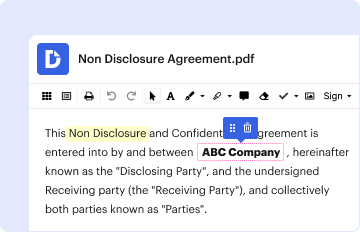
    Type text, add images, blackout confidential details, add comments, highlights and more.

  • 02. Sign it in a few clicks

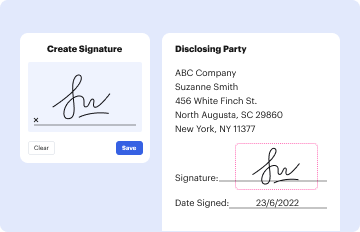
    Draw your signature, type it, upload its image, or use your mobile device as a signature pad.

  • 03. Share your form with others

    Send how to find mri screening form on epic via email, link, or fax. You can also download it, export it or print it out.

Definition and Importance of the MRI Screening Form

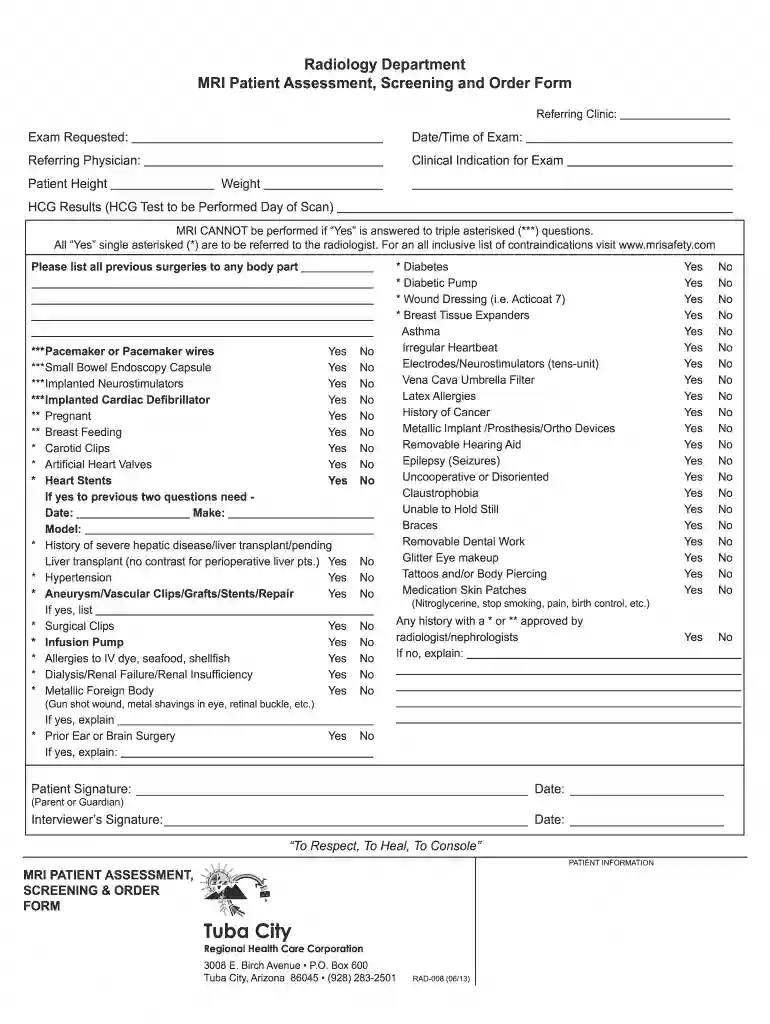
The MRI screening form is a crucial document used in medical settings, particularly in the Radiology Department, to assess a patient's eligibility for MRI procedures. This form collects essential patient information, including medical history and clinical indications that may affect the safety and effectiveness of the MRI scan. The primary goal of the form is to identify any potential contraindications such as previous surgeries, implanted medical devices, or other health conditions.

Key components of the MRI screening form include:

  • Patient Information: Personal details such as name, date of birth, and contact information.
  • Medical History Questions: A comprehensive set of inquiries about the patient's previous health conditions, surgeries, and any existing implants.
  • Clinical Indications: Information regarding why the MRI is being ordered and any specific concerns the physician may have about the patient's health.

Understanding the MRI screening form’s significance is vital for ensuring patient safety and the efficacy of diagnostic procedures. It acts as a preventive measure to avoid complications that can arise from undetected contraindications.

Steps to Complete the MRI Screening Form

Filling out the MRI screening form accurately is essential for ensuring patient safety during the MRI procedure. The following steps outline the process for completing the form:

  1. Gather Patient Information:

    • Collect personal identifiers such as the patient’s full name, date of birth, and insurance details.
  2. Assess Medical History:

    • In this section, understanding the patient’s past conditions is crucial. It includes questions about:
      • Previous surgeries
      • Any implanted devices (e.g., pacemakers, stents)
      • Health conditions like claustrophobia or allergies
  3. Review Clinical Reasons for the MRI:

    • Document the specific reasons the MRI is being ordered. This information helps radiologists understand the clinical context.
  4. Sign and Date the Form:

    • Ensure that the form is dated and signed by both the patient and the healthcare provider to confirm that the information provided is accurate.
  5. Submit the Form:

    • Deliver the completed form to the appropriate department, either electronically or through physical handoff to ensure it is in the right hands before the scheduled procedure.

Following these steps ensures that the form is comprehensive, minimizing the risk of overlooking any critical medical information that could affect the MRI process.

Who Typically Uses the MRI Screening Form

The MRI screening form is used by a variety of healthcare professionals and entities involved in patient care and imaging services. Key users include:

  • Radiologists: Specialists who interpret MRI scans, relying on the information within the form to understand any potential risks.
  • Technologists: MRI technologists use the form to prepare for the imaging process and ensure patient safety.
  • Primary Care Physicians: Doctors who refer patients for MRI scans will often provide or guide the filling of the form.
  • Healthcare Facilities: Hospitals and clinics have standardized processes involving this form to comply with insurance and regulatory requirements.

By effectively utilizing this form, all parties involved ensure both compliance with legal standards and the delivery of high-quality patient care.


decoration imageratings of Dochub

Key Elements of the MRI Screening Form

The MRI screening form contains several key elements designed to gather critical information for the safe execution of MRI procedures. These elements include:

  • Patient Details: Personal information including name, contact, and demographic data.
  • Medical History Section: Detailed inquiries about past surgeries, previous MRI experiences, and health concerns such as renal issues or allergic reactions.
  • Implant and Device List: Specific questions regarding any implants such as pacemakers, cochlear implants, and other devices that may pose a risk.
  • Contraindications Assessment: A checklist that aids in identifying contraindications, designed to assess whether the patient can safely undergo an MRI scan.
  • Signature Areas: Sections for the patient and provider signatures, confirming the accuracy of the information provided.

Understanding these key elements helps ensure that the MRI screening form serves its purpose effectively, promoting patient safety and proper imaging practices.

Example of Using the MRI Screening Form

An example of utilizing the MRI screening form could be illustrated through a case study of a patient named John, who is scheduled for a brain MRI due to recurring headaches.

  1. Completion of the Form: John fills out the form, providing detailed medical history, including previous brain surgeries and current medications.
  2. Review by the Radiology Team: The radiologist reviews the completed form and notices that John has a history of a metallic implant from a prior surgery.
  3. Decision Making: Based on this critical information, the radiologist decides to conduct further assessments to ensure the safety and compatibility of the MRI equipment with John's implant.
  4. Informed Decisions and Safe Procedures: The thorough completion and review of the MRI screening form prevent potential risks, ensuring that John safely undergoes the MRI.

This practical scenario showcases the real-world application and significance of the MRI screening form in enhancing patient safety and optimizing clinical outcomes.

Legal Use of the MRI Screening Form

The MRI screening form also plays a critical role in legal and regulatory contexts within the healthcare landscape. Key aspects of its legal use include:

  • Compliance with Health Regulations: The form must adhere to the Health Insurance Portability and Accountability Act (HIPAA), ensuring that patient information remains confidential and secure.
  • Documentation of Patient Consent: The form serves as a record of patient consent for the MRI process, making it legally binding and ensuring that patients are informed about potential risks.
  • Liability Protection for Healthcare Providers: Proper completion of the MRI screening form can protect healthcare providers from liability by demonstrating due diligence in assessing patient safety prior to the procedure.
  • Records for Insurance Purposes: The form acts as documentation for insurance claims, detailing why the imaging was necessary and any relevant patient history.

Ensuring legal compliance through the proper use of the MRI screening form safeguards both patients and providers while facilitating a smooth healthcare operation.

See more mri screening form epic versions

We've got more versions of the mri screening form epic form. Select the right mri screening form epic version from the list and start editing it straight away!

VersionsForm popularityFillable & printable
20134.8 Satisfied (216 Votes)

be ready to get more

Complete this form in 5 minutes or less

Security and compliance

At DocHub, your data security is our priority. We follow HIPAA, SOC2, GDPR, and other standards, so you can work on your documents with confidence.

where to find mri screening form in epic

Multiparametric-MRI in diagnosis of prostate cancer

The recommended technique of MRI in prostate cancer is mp-MRI, which includes high-resolution T2WI and at least two functional MRI techniques.[13] T1-wegithedRead more

Learn more
MRI Safety Screening Form F#1529r4

All individuals are required to fill out this safety form BEFORE entering the MRI scan room. Be advised, the MRI magnet is ALWAYS ON. 1. Have you had a reactionRead more

Learn more
mri screening form

Have you ever had an MRI scan? 2. Have you ever had surgery on an aneurysm in your. MRI SCREENING FORM (MSCA screen 1 of 4). Yes. Y. No. N. 5. Do you have anyRead more

Learn more
If you believe that this page should be taken down, please follow our DMCA take down process here