MILEAGE CLAIM FORM - hawaii 2025

Get Form
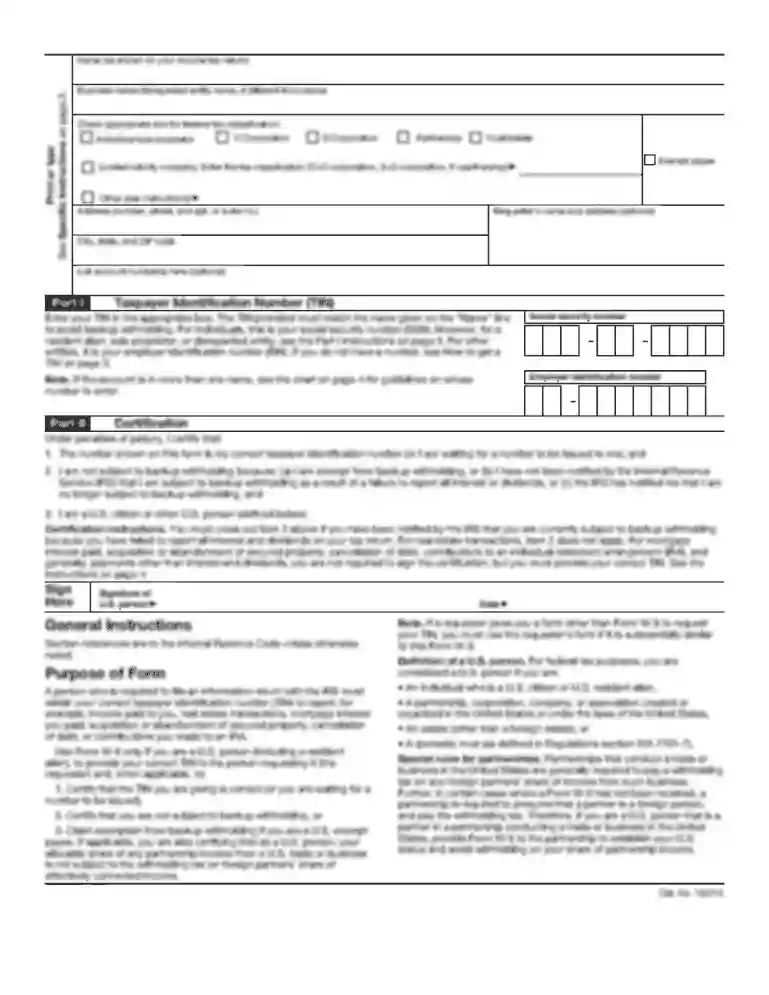
MILEAGE CLAIM FORM - hawaii Preview on Page 1

Here's how it works

01. Edit your form online
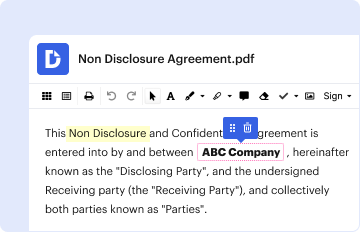
Type text, add images, blackout confidential details, add comments, highlights and more.

02. Sign it in a few clicks
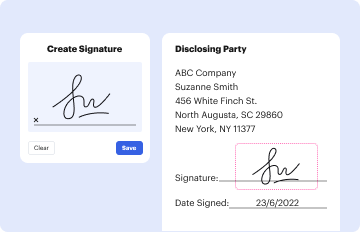
Draw your signature, type it, upload its image, or use your mobile device as a signature pad.

03. Share your form with others
Send it via email, link, or fax. You can also download it, export it or print it out.

How to use or fill out MILEAGE CLAIM FORM - hawaii with our platform

Form edit decoration
9.5
Ease of Setup
DocHub User Ratings on G2
9.0
Ease of Use
DocHub User Ratings on G2
  1. Click ‘Get Form’ to open the MILEAGE CLAIM FORM - hawaii in the editor.
  2. Begin by entering your Participant Name, Month/Year, and Unit Name at the top of the form. This information is essential for identifying your claim.
  3. Select the Type of Transportation you used by checking either 'Automobile' or 'Moped'.
  4. Fill in your Case Manager's name to ensure proper processing of your claim.
  5. Indicate your Parking Location and Parking Rate. This helps in calculating any additional fees incurred during your travel.
  6. Record the FROM and TO addresses along with Odometer Readings for each leg of your journey. Accurate mileage is crucial for reimbursement.
  7. In the certification section, confirm that all provided information is true and accurate before signing. This step is vital for compliance with Hawaii's regulations.
  8. Finally, have both you and your Case Manager sign the form to validate it before submission.

Start using our platform today to easily complete and submit your MILEAGE CLAIM FORM - hawaii for free!

be ready to get more

Complete this form in 5 minutes or less

Get form

Got questions?

We have answers to the most popular questions from our customers. If you can't find an answer to your question, please contact us.
Contact us
How to Fill Out a Mileage Claim Form: A Step-by-Step Guide Step 1: Get the Correct Form. Step 2: Record the Date of Travel. Step 3: Mention the Starting Point and Destination. Step 4: Include the Purpose of the Journey. Step 5: Record the Number of Miles Driven. Step 6: Apply the Reimbursement Rate.
The tax documents you use to deduct mileage expenses vary based on your situation: For self-employed individuals (business): Report mileage as part of car and truck expenses on Schedule C (1040), Section IV. For charity mileage, use Schedule A (Form 1040) under the charitable deductions section.
Part IIVehicle Expenses If you have the option of using either the standard mileage rate or actual expense method, you should figure your expenses both ways to find the method most beneficial to you. But, when completing Form 2106, fill in only the sections that apply to the method you choose.
The only people who qualify for claiming mileage on taxes include business owners or sole proprietors, self-employed individuals, and independent contractors. Luckily, there is no limit on the amount of mileage you can claim on taxes, granted that all mileage is related to business purposes.
Claim unreimbursed expense deductions on Form 2106. For example, if your employer reimburses mileage at a rate of $0.30 per mile.
be ready to get more

Complete this form in 5 minutes or less

Get form

People also ask

Hawaiis mileage reimbursement rates follow the Internal Revenue Service-determined mileage reimbursement rate, which for 2025 is $0.70 per mile. While this rate represents a mandatory benchmark for public sector employers in Hawaii, private businesses have discretion in their reimbursement policies.
If youre an employee, you can receive mileage reimbursement from your employer. Self-employed and independent contractors can deduct business mileage expenses from their taxes, and employers who provide mileage reimbursements to employees can account for these as business expenses.
The best evidence for claiming the deduction for business use of a vehicle is a written record kept during the time the business miles are driven. This can be a written log, spreadsheet, mileage tracking app, or something similar. The record should include miles traveled, destination, and business purpose.

Related links