Understanding the Food Judging Score Sheet
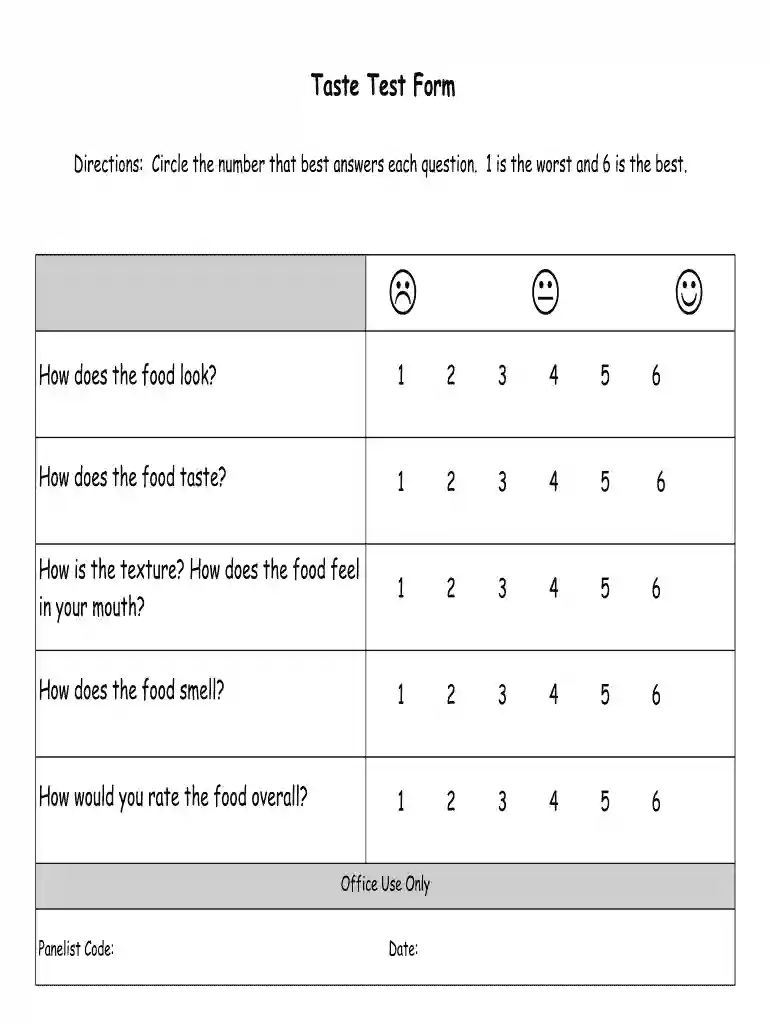
The food judging score sheet is an essential tool designed for evaluating various aspects of culinary creations during competitions or tastings. This structured sheet enables judges to provide consistent feedback and quantitative scoring, which can be vital for determining winners or improving recipes.
Key Components of a Food Judging Score Sheet
A comprehensive food judging score sheet typically includes several critical components that focus on different criteria related to the food being judged:
- Appearance: Judges assess the visual appeal of the dish. Factors may include color, presentation style, and overall aesthetic quality. An appealing presentation often scores higher.
- Taste: This section evaluates the actual flavor profile of the dish. Judges consider how well the flavors blend, the use of seasonings, and the balance between sweet, savory, and sour.
- Texture: The mouthfeel of the food is judged, noting whether the texture complements the dish. For example, a perfectly baked bread may score high for its crustiness and softness inside.
- Smell: Aroma can significantly influence tasting experience. Judges may assess the freshness of ingredients and the overall attractivity of scent.
- Overall Impression: This is a summative assessment where judges take into account their experience of the dish as a whole, providing a final score that encapsulates their evaluation.
Scoring Scale Used in Food Judging
Most food judging score sheets use a numeric scale to quantify judgments, allowing for clear differentiation in scoring. Commonly used scales include:
- 1 to 6 Scale: Where one represents “poor” and six represents “excellent.” This scale promotes detailed feedback and can indicate subtleties in assessment.
- Binary Scale: A simpler yes/no or pass/fail can be sufficient for less complex competitions but lacks the nuance of a true grading system.
In addition to numerical scores, judges often provide written feedback to help participants understand their strengths and areas for improvement.
How to Use the Food Judging Score Sheet Effectively
Implementing a food judging score sheet involves several steps:
- Preparation of the Score Sheet: Ensure all judges have access to the score sheets before the event. Each sheet should be printed or available on digital devices.
- Training Judges: Before the competition starts, conduct a brief training session to clarify judging criteria, evaluation process, and how to use the score sheets.
- Guided Judging Sessions: During the tasting, judges should fill out the score sheet while sampling, noting scores and providing feedback immediately to capture their initial impressions.
- Collecting Scores: After all dishes have been tasted, collect the sheets for tabulation. It’s essential that scores are tallied accurately to reflect true opinions.
- Review and Feedback: Provide participants with their scores and the feedback collected from judges, as this can be beneficial for their culinary growth.
Variations and Templates for Food Judging Score Sheets
There are various templates available for a food judging score sheet. Below are examples of specific contest variations that can be employed:
- Cooking Competition Judging Sheet: Tailored for competitive events like cooking shows, focusing not only on food quality but also creativity and technique.
- Cookie Judging Sheet: A specialized score sheet for baked goods, with emphasis on aspects like chewiness, flavor balance, and aesthetic presentation.
- Food Tasting Evaluation Form: Used in informal settings or larger events with multiple options for guests to evaluate various foods.
Typical Use Cases and Examples
The food judging score sheet is versatile and applicable in several contexts:
- Cooking Contests: Used in local and national competitions to evaluate entries from participants.
- Culinary School Assessments: Educators might utilize these score sheets to assess student dishes, providing structured feedback to aspiring chefs.
- Food Festivals: At community events where various vendors are competing, score sheets can help determine awards for best taste, presentation, or innovation.
Using the food judging score sheet ensures that every dish is evaluated fairly, providing a comprehensive overview of culinary performance and aiding in the selection of winners in competitive cooking scenarios.