
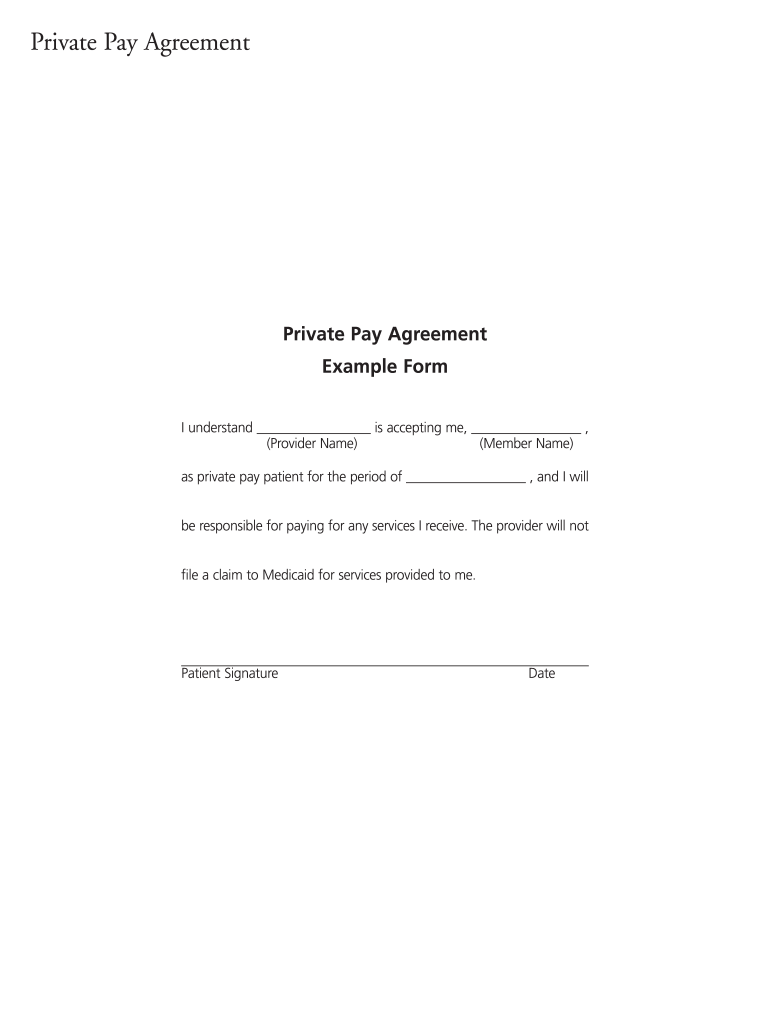







Definition and Meaning of a Payment Agreement Template
A payment agreement template is a standardized document that outlines the terms and conditions under which a payment arrangement is made between two parties. It serves as a formal agreement that details the obligations of each party regarding the repayment of a debt or the payment for services rendered. This document can be used in personal circumstances, such as when a friend borrows money, or in business settings, such as when a client agrees to pay for services or products over time.
Key components of a payment agreement typically include:
- Parties Involved: The identities of the individuals or businesses entering into the agreement.
- Amount Owed: The total sum to be paid.
- Payment Schedule: Details about when payments are due, including frequency (e.g., weekly or monthly) and specific due dates.
- Interest Rate: If applicable, the document should stipulate whether interest will be charged and at what rate.
- Consequences of Default: Information on what will happen if payments are not made as agreed.
This template ensures clarity and accountability, reducing the chances of misunderstandings or disputes between the parties involved.
Key Elements of a Payment Agreement Template
Creating a comprehensive payment agreement requires specific elements to be included for legal validity and clarity. These elements help define the framework of the payment arrangement and establish expectations for both parties.
-
Introduction of Parties: Clearly state the names and contact information of both the debtor and creditor, ensuring easy identification.
-
Debt Description: Provide a detailed description of the debt arising from the transaction, including dates of service, product descriptions, or reasons for the debt.
-
Payment Terms: Outline specific payment terms, including the total debt amount, due dates, accepted payment methods (e.g., cash, check, electronic transfer), and the agreed-upon interest rate if applicable.
-
Late Payment Policies: Include penalties for late payments, such as fees or increased interest rates, to encourage timely payments.
-
Dispute Resolution: Specify how disputes regarding the payment agreement will be handled, such as mediation or arbitration, to minimize potential conflicts.
-
Signatures: Ensure that the document conveys the need for signatures from both parties and includes a date to signify when the agreement becomes effective.
By including these essential elements, parties can establish a clear and enforceable payment agreement that serves both their interests.
How to Use the Payment Agreement Template
Utilizing a payment agreement template effectively involves careful consideration of the circumstances under which the agreement is being created. Here are steps to follow:
-
Select the Template: Choose a payment agreement template that meets your specific needs, whether for personal use, small business dealings, or larger financial transactions.
-
Customize the Agreement: Fill in the necessary details, such as the names of both parties, payment amounts, schedule, and other terms agreed upon. Be thorough to ensure all conditions are covered.
-
Review the Agreement: Carefully review the customized document for errors or omissions. It may be beneficial to consult a legal professional to ensure all aspects of the agreement comply with local laws.
-
Sign and Date: Once both parties are satisfied with the agreement, have each party sign and date the document to confirm their commitment to the terms.
-
Distribute Copies: Provide each party with a signed copy of the agreement for their records.
By following these steps, individuals and businesses can create effective payment agreements that protect both parties and promote transparency in financial dealings.
Steps to Complete the Payment Agreement Template
Completing a payment agreement template involves several methodical steps. Adhering to this structured approach can help mitigate confusion and create a legally binding contract.
-
Identify the Parties: Clearly list the full names of both the borrower and lender or service provider, including their addresses and contact details.
-
Outline the Agreement Purpose: Include a brief statement regarding the purpose of the agreement, such as borrowed money, services rendered, or goods purchased.
-
Detail Financial Terms:
- Specify the total amount to be paid.
- Clearly define payment methods accepted.
- If applicable, outline an interest rate and any associated fees.
-
Set a Payment Schedule: Create a detailed schedule outlining the frequency of payments, including start dates and deadlines.
-
Include Signatures: Conclude the agreement with designated areas for signatures and the date to formalize the document, ensuring both parties acknowledge and accept the terms.
-
Retention of Copies: Advise both parties to retain a copy of the signed agreement for their records, ensuring that all parties have access to the same document.
Following these structured steps ensures that all necessary components are included in the payment agreement, enhancing clarity for both parties.
Examples of Using a Payment Agreement Template
Payment agreements are versatile documents used in various scenarios. Here are concrete examples illustrating their practical application:
-
Personal Loan: A friend loans a sum of money to another friend for unexpected expenses. They create a payment agreement that specifies the amount borrowed, the repayment schedule, and the interest rate, if applicable, to formalize the relationship.
-
Service Contract: A photographer and a client enter an agreement for wedding photography services. The payment agreement details the total cost, retainer fees, and due dates for balance payments, ensuring transparency and accountability.
-
Business Transactions: A small business owner and a supplier establish a payment agreement for merchandise purchased on credit. The agreement clearly defines payment terms, interests on delayed payments, and delivery schedules to ensure both parties are aligned.
These examples illustrate that payment agreements can be tailored to various situations, providing a framework for financial transactions that ensures clarity and minimizes the potential for disputes.
Differences in State-Specific Rules
When using a payment agreement template, it is essential to consider the state-specific regulations that may impact the document's enforceability and content. Each state can have distinct laws governing contracts, including those relating to payment agreements.
-
Interest Rate Limits: Some states impose limits on the amount of interest a lender can charge, requiring modifications to the payment agreement to remain compliant.
-
Consumer Protection Laws: States may have laws designed to protect consumers in lending arrangements, necessitating additional disclosures or modifying the structure of the agreement to align with local regulations.
-
Signing Requirements: Certain states have specific requirements regarding witnessing or notarization for certain types of payment agreements, which must be adhered to for the document to be legally binding.
-
Default Terms: Regulations regarding the consequences of defaulting on a payment may vary by jurisdiction, influencing how penalties are imposed and enforced.
Understanding these differences is vital for ensuring that a payment agreement template remains compliant and enforceable across various states, protecting all parties involved from legal issues.




