




Definition and Meaning of a Consent Letter
A consent letter is a formal document that communicates permission granted by an individual or group, commonly used in various contexts, such as travel, medical treatment, or legal decisions. Specifically, when it comes to authorizing a child to travel, a travel consent form for minors is often utilized. This document ensures that a designated adult has the legal authority to make decisions on behalf of the child during their travels.
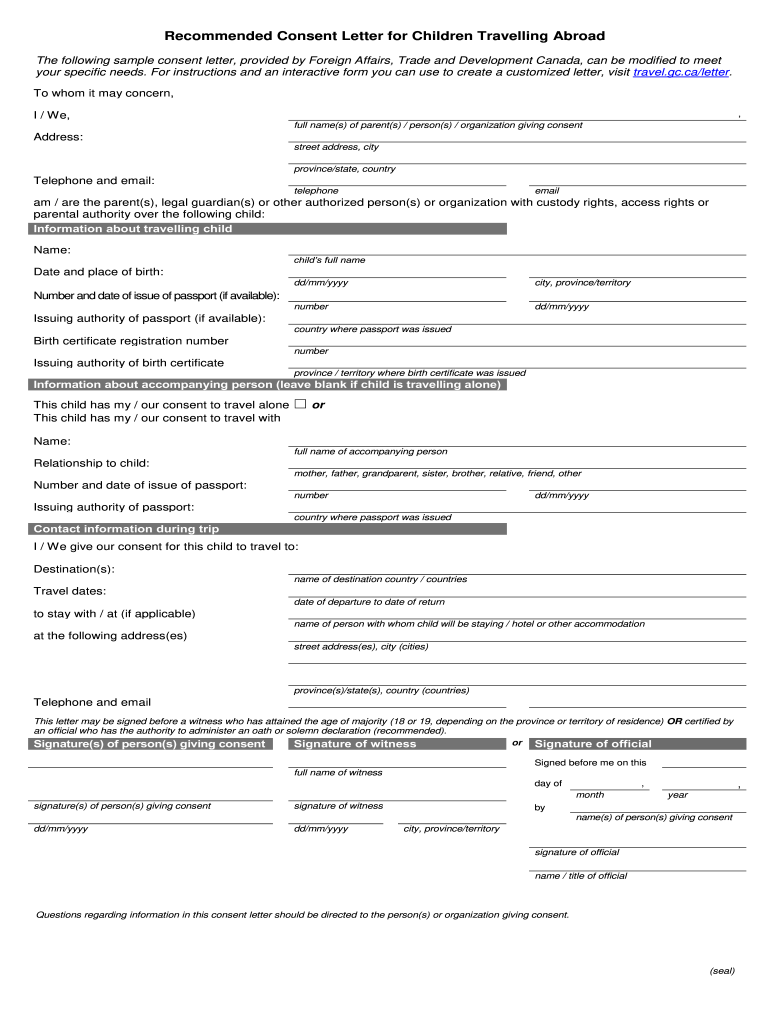
In the United States, a consent letter for travel might be required by airlines, border control, or other authorities to prevent child abduction and ensure that the child is traveling with the knowledge and agreement of their parents or guardians. The letter typically needs to include the names of the consenting parties, details about the child, travel dates, and the accompanying adult's information.
Key Elements of a Consent Letter
When drafting a consent letter, several critical components must be included to ensure its validity and effectiveness. These elements provide clarity and structure, making it easier for authorities to understand the permission granted.
- Identifying Information: Clearly state the full names, addresses, and contact information of all parties involved, including parents, guardians, and the child.
- Travel Details: Include specifics about the travel, such as destination, travel dates, and the purpose of the trip.
- Accompanying Adult Information: Provide information about the adult accompanying the child, including their relationship to the child.
- Parent/Guardian Signatures: Ensure both parents or guardians sign the document, if applicable, to demonstrate mutual consent.
- Notarization: While not always required, having the letter notarized can add a layer of authenticity and may satisfy legal requirements.
These elements ensure that the consent letter is comprehensive and legally sound, minimizing the risk of complications during travel.
Steps to Complete a Consent Letter
Completing a consent letter involves several straightforward steps, ensuring that all necessary information is accurately captured. Following these steps can help streamline the process and minimize errors.
- Gather Information: Collect all personal details of the child, parents or guardians, and the accompanying adult. This includes names, addresses, and contact numbers.
- Draft the Letter: Begin by addressing the letter appropriately, stating the purpose of the consent and including all key elements mentioned previously.
- Review Requirements: Check any specific legal requirements for travel in your state or for the destination country, as some jurisdictions may have additional stipulations.
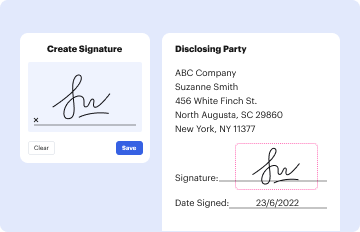
- Sign the Document: Ensure that all necessary parties sign the letter. Include date and notary details if applicable.
- Provide Copies: Make copies of the signed consent letter for each party involved and for the traveling child to keep while on the trip.
By following these steps, you can create a well-structured consent letter that effectively communicates permission for travel.
Legal Use of the Consent Letter
The legal implications of a consent letter can be significant, especially in scenarios involving the travel of minors. It serves as a protective measure against potential legal issues that can arise during travel.
- Prevention of Child Abduction: A consent letter legally affirms that all parties are aware of and agree to the travel plans, reducing the risk of misunderstandings or conflicts.
- Acceptance by Authorities: Airlines and border control may require a consent letter to allow minors to travel without both parents present. A formalized document can simplify the checks by these authorities.
- Emergency Situations: In cases where a child requires immediate medical attention while away, a consent letter grants authority to the accompanying adult to make critical decisions regarding the child's health and welfare.
Having a legally sound consent letter not only protects the child but also ensures that all parties are safeguarded against unnecessary legal obstacles.
Important Terms Related to Consent Letters
Understanding the terminology associated with consent letters is essential for clarity and effectiveness. Here are some key terms commonly encountered:
- Travel Consent Form: A specific type of consent letter designed primarily for authorizing the travel of minors.
- Custodial Consent: In some cases, custodial parents may need to provide explicit consent if the child is traveling with someone who is not a legal guardian.
- Power of Attorney: A broader legal document that can grant someone the authority to act on another person’s behalf, similar in some respects to a consent letter but with broader implications.
- Notarization: The process of having a document certified by a notary public to ensure its authenticity and to witness the signing of the document.
Familiarizing oneself with these terms can enhance comprehension and facilitate the creation of effective consent letters.
Examples of Using a Consent Letter
Several scenarios exemplify the practical application of a consent letter, particularly in relation to minors:
- Traveling Abroad: When a child is set to travel internationally with one parent or a guardian, a consent letter detailing the journey can be requested by customs and border protection.
- Medical Procedures: Consent letters are often necessary for medical treatment when a child is being cared for by a non-parental guardian, ensuring that the guardian can make medical decisions.
- School Trips: Schools may ask parents to provide a consent letter for their child to partake in field trips, particularly those that involve overnight stays or travel outside the community.
These examples illustrate the versatility and necessity of consent letters across various contexts, emphasizing their importance in protecting children and ensuring clear communication among all parties involved.