
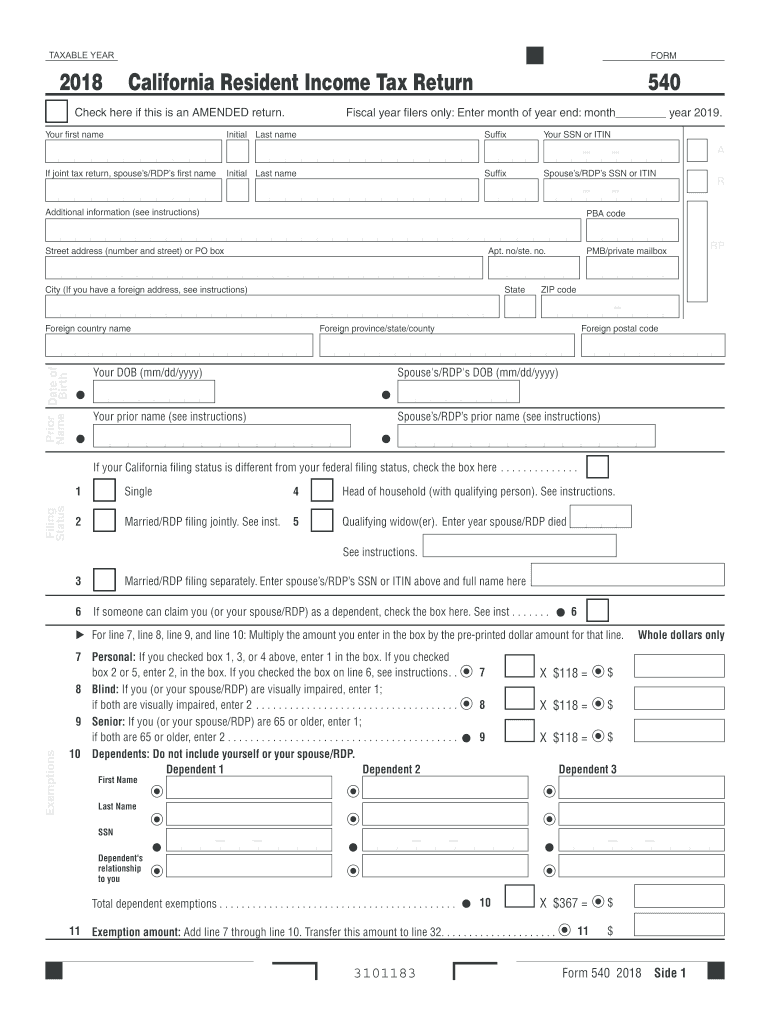







Definition and Meaning of California Franchise Tax Forms
California franchise tax forms are essential documents utilized by businesses operating within the state. These forms are used to report and pay franchise taxes, which are levied on businesses for the privilege of conducting business activities in California. Unlike income taxes, franchise taxes are not based on the company's income but rather on the type and scale of the business structure, such as corporations, limited liability companies (LLCs), and partnerships. These taxes contribute to the state’s revenue and are pivotal in maintaining public services.
Importance of Franchise Taxes
- Operational Requirement: Paying franchise taxes is a fundamental obligation for businesses to legally operate in California.
- Revenue Generation: These taxes contribute significantly to the state’s revenue, funding various public services and infrastructure.
- Legal Compliance: Ensures businesses remain in good standing and avoid penalties.
How to Obtain California Franchise Tax Forms
Acquiring these forms is a straightforward process indispensable for businesses intending to meet their tax obligations. The California Franchise Tax Board (FTB) provides these forms, which can be downloaded from their official website.
Steps to Acquire
- Visit the FTB Website: Access the California Franchise Tax Board’s official site to find the required forms.
- Select the Appropriate Form: Determine the correct form based on the business type and filing needs.
- Download or Request a Copy: Forms can be downloaded directly or requested via mail for those who prefer paper versions.
Online Resources
- Form Descriptions: Detailed descriptions and instructions are available online, helping businesses select the correct form.
- Filing Support: The FTB website offers resources and customer support for questions or difficulties during the process.
Steps to Complete California Franchise Tax Forms
Filing these forms accurately is vital to avoid penalties. The following guide outlines the general steps to complete them:
Completing the Tax Forms
- Gather Necessary Information: Collect financial statements, identification details, and previous tax returns.
- Fill Out Personal and Business Information: Input the official business name, address, and taxpayer identification number.
- Calculate Franchise Tax Liability: Use the provided instructions to compute the tax based on business structure and assets.
- Review and Double-Check Entries: Ensure all entries are accurate to avoid discrepancies and rejections.
- Sign and Date the Forms: Ensure that proper signatures are obtained; some forms may require the signature of more than one corporate officer.
Submission Preparation
- Attach Required Documentation: Include all supporting documentation such as financial records and prior tax documents.
- Payment Inclusion: If applicable, include payment for any owed taxes, ensuring all checks are correctly addressed to the FTB.
Importance of the California Franchise Tax Forms
Understanding the necessity of these forms highlights their role in business operations and compliance. These forms not only ensure that a business meets state mandates but also help maintain credibility and trustworthiness in the industry.
Benefits of Compliance
- Avoidance of Penalties: Accurate and timely filing prevents fines and legal issues.
- Business Reputation: Demonstrates responsibility and adherence to laws, enhancing brand reputation.
- Operational Continuity: Ensures uninterrupted business activities without legal hindrances.
Business Entity Types That Use California Franchise Tax Forms
Various business structures are required to file franchise tax forms, each subject to differing regulations and liabilities.
Common Business Types
- Corporations: Required to file even when inactive or reporting losses.
- Limited Liability Companies (LLCs): Subject to an annual tax and a calculated fee based on income.
- Partnerships and S-corporations: Face differing tax obligations and rates based on income and size.
Specialized Forms
- Non-Profits: Exemptions may apply, but filing obligations remain for certain activities.
- Foreign Entities: Out-of-state companies doing business in California must also comply.
Important Terms Related to California Franchise Tax Forms
Mastering these key terms is essential for correctly navigating and completing franchise tax forms:
- Franchise Tax: A tax levied on businesses for their existence and operations in California.
- Taxpayer Identification Number (TIN): A unique ID number required for tax purposes.
- Apportionment: Calculating a portion of income attributable to California activities for tax computation.
Commonly Used Terms
- Filing Deadline: The due date by which tax forms and payments must be submitted.
- Tax Credit: Deductions available to reduce liabilities.
- Apportionment Factor: A formula used to determine the taxable income attributable to California.
Filing Deadlines and Important Dates for California Franchise Tax Forms
Timely filing is crucial to avoid penalties associated with late submissions. Key deadlines vary based on the fiscal calendar or business status.
Critical Dates
- Standard Due Date: Generally after the end of the fiscal year; often corresponds to the federal tax filing deadline.
- Extension Requests: Must be filed if additional time is needed, typically providing a six-month extension.
- Payment Deadlines: Ensure payments accompany the filing or deadlines for any payment arrangements.
Maintaining Compliance
- Early Preparation: Organize records and begin early to meet deadlines comfortably.
- Reminders and Alerts: Setting calendar alerts for key dates ensures deadlines are not missed.




