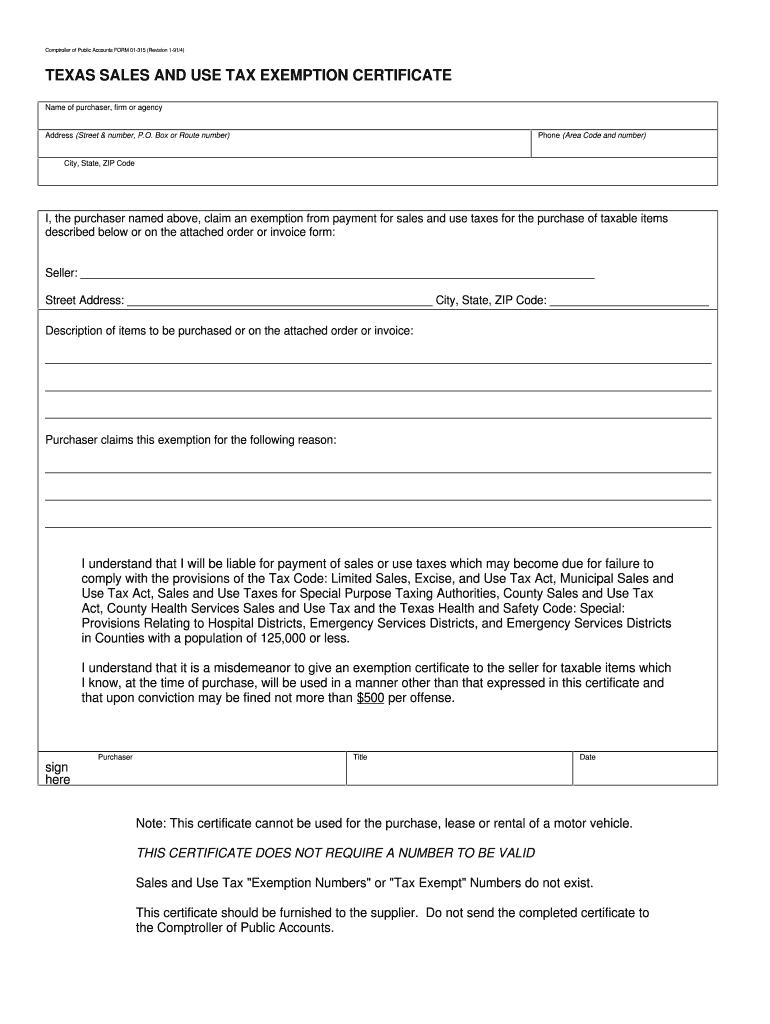







Definition and Meaning of the Tax Exempt Form
A tax exempt form is a legal document used by individuals or businesses to apply for exemptions from sales, use, or income taxes. These forms are essential for notifying vendors or tax authorities that the individual or organization qualifies for tax privileges due to specific criteria. The form typically requires the claimant to provide their identification details, the reason for the exemption, and a list of items or services being purchased without tax.
Understanding the purpose of a tax exempt form is crucial, as it helps entities ensure compliance with tax laws while benefiting from financial savings. Various types of tax exempt forms exist at the federal and state levels, designed for different situations, including purchases made for nonprofit organizations, resale, or governmental use.
How to Use the Tax Exempt Form
Using a tax exempt form involves several steps that ensure proper submission and agreement with regulations. Here’s a straightforward process:
- Determine Eligibility: Identify if you meet the criteria for tax exemption. Common qualifiers include nonprofit organizations, government agencies, and specific purchases made for resale.
- Obtain the Correct Form: Access the relevant tax exempt form, such as the Texas Sales and Use Tax Exemption Certificate (Form 01-315) for use in Texas. These forms are often available as PDFs for easy download.
- Complete the Form: Fill out all required fields, including your name, address, and the reason for claiming exemption. Be meticulous about providing accurate information to avoid penalties for non-compliance.
- Present the Form to the Seller: Once completed, present the tax exempt form to the vendor from whom you are purchasing. This form acts as proof of your exemption status, allowing you to make tax-free purchases.
- Keep Records: Maintain a copy of the completed form for your records, as you may need it for future reference or audits.
Effective use of the tax exempt form can lead to significant cost savings for eligible buyers, ensuring that they only pay taxes when legally required.
Key Elements of the Tax Exempt Form
Key elements of the tax exempt form typically include:
- Purchaser Information: Name, address, and contact details of the individual or business claiming exemption.
- Seller Information: Details regarding the seller or vendor from whom the purchase is being made.
- Description of Items: A clear list or description of the items or services for which the exemption is being claimed.
- Exemption Type: The specific reason or category under which the exemption is claimed, including references to relevant tax laws or statutes.
- Signatures: The form usually requires the signature of the purchaser, certifying that the information provided is accurate and truthful.
These elements are crucial as they validate the claim for exemption and ensure adherence to tax regulations.
Important Terms Related to the Tax Exempt Form
Understanding various terms associated with tax exempt forms is essential for proper usage and compliance. Important terms include:
- Exemption Certificate: A document affirming the status of the entity or individual exempted from certain taxes.
- Sales Tax: A tax imposed on the sale of goods and services, collected by the seller at the point of sale.
- Use Tax: A tax imposed on the use or consumption of goods that were not subject to sales tax at the time of purchase.
- Qualified Purchaser: An individual or organization allowed to use the tax exempt form based on specific eligibility requirements.
- Nonprofit Organization: A tax-exempt entity established for purposes other than making a profit, often serving a charitable mission.
Familiarity with these terms enhances comprehension of the specifics surrounding tax exemption claims, leading to more informed decisions.
Examples of Using the Tax Exempt Form
Examples of situations where tax exempt forms are applicable include:
- Nonprofit Purchases: A charity organization purchasing office supplies can use the tax exempt form to avoid sales tax, provided they qualify under state regulations.
- Resale Transactions: Retail businesses buying inventory for resale can present a tax exempt form to avoid sales tax on these purchases.
- Government Acquisitions: State and local government agencies often use tax exempt forms to procure goods and services necessary for public services without paying taxes.
Each of these scenarios illustrates the importance of correctly utilizing the tax exempt form to realize taxation savings while complying with legal requirements.