




Here's how it works
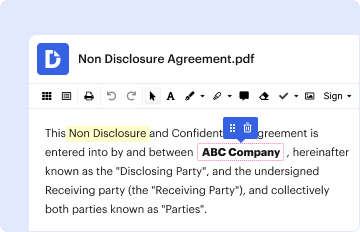
01. Edit your lawyer person online
Type text, add images, blackout confidential details, add comments, highlights and more.
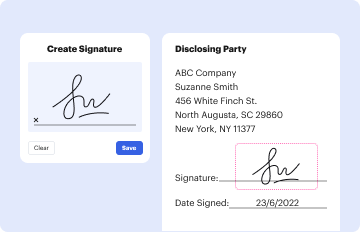
02. Sign it in a few clicks
Draw your signature, type it, upload its image, or use your mobile device as a signature pad.

03. Share your form with others
Send summons and complaint form via email, link, or fax. You can also download it, export it or print it out.
How to use or fill out Massachusetts Process Summons Complaint with our platform

- Click ‘Get Form’ to open the Massachusetts Process Summons Complaint in the editor.
- Begin by filling in the Docket Number and Division at the top of the form. This information is crucial for identifying your case.
- In the 'TO' section, enter the name and address of the tenant being summoned. Ensure accuracy to avoid any delays.
- Next, specify the court date, time, and location where the tenant must appear. This is essential for proper notification.
- Fill in details about the landlord/owner, including their name and address. This identifies who is initiating the complaint.
- Clearly state the reason for eviction in the designated area, along with any rent owed. Be concise but thorough.
- Finally, ensure that all signatures are completed by either the plaintiff or their attorney before submitting.
Start using our platform today to streamline your document editing and ensure a smooth process!
Fill out massachusetts process summons complaint online
It's free
It's free
See more massachusetts process summons complaint versions
We've got more versions of the massachusetts process summons complaint form. Select the right massachusetts process summons complaint version from the list and start editing it straight away!
| Versions | Form popularity | Fillable & printable |
|---|---|---|
| 1986 | 4.8 Satisfied (165 Votes) |
Got questions?
We have answers to the most popular questions from our customers. If you can't find an answer to your question, please contact us.
Contact us
How do I respond to a summons in Massachusetts?
If I get served with a complaint, what do I do? Read the summons and the complaint or petition. It is important to read both the summons (or citation) and the complaint (or petition) very carefully. Write and file an answer. Serve the other party with a copy of the answer.
How long does it take to serve a complaint in Massachusetts?
If a service of the summons and complaint is not made upon a defendant within 90 days after the filing of the complaint and the party on whose behalf such service was required cannot show good cause why such service was not made within that period, the action shall be dismissed as to that defendant without prejudice
What is a summary of process?
The summary process is a legal procedure designed for swift resolution of disputes. It allows certain legal actions to take place immediately, without the usual delays associated with traditional legal methods. This process is often employed in situations like eviction proceedings, where time is of the essence.
What is a summary process execution in Massachusetts?
Eviction cases are technically called summary process actions. This is because the procedures for eviction cases are designed to process cases in a summary or swift fashion. The purpose of a summary process case is for a judge to determine who should have possession of your apartmentyou or your landlord.
Does a summons come before a complaint?
After receiving the complaint, the court will issue a summons. A summons notifies the defendant that theyre being sued and includes the following information: Who is suing you and their attorneys information. Case details including the type of case, judge, and court.
Security and compliance
At DocHub, your data security is our priority. We follow HIPAA, SOC2, GDPR, and other standards, so you can work on your documents with confidence.
Learn more


People also ask
What is a summary process summons and complaint in Massachusetts?
Summons and Complaint To start a summary process action, a landlord must serve a tenant with a complaint and summons. The complaint and summons must be served on the tenant between 30 and seven days before the entry date (the date by which the landlord must file the complaint with the court).
How difficult is it to evict a tenant in Massachusetts?
In Massachusetts, a court eviction of a tenant can be expensive and time-consuming. The eviction court process in Massachusetts is called a summary process. The goal of an eviction is for the owner to regain possession of the rental unit. Often, there are alternatives to eviction to regain rental possession.