



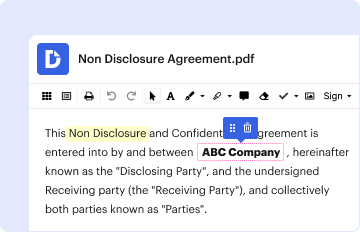
01. Edit your schedule c form 2022 online
Type text, add images, blackout confidential details, add comments, highlights and more.

Type text, add images, blackout confidential details, add comments, highlights and more.
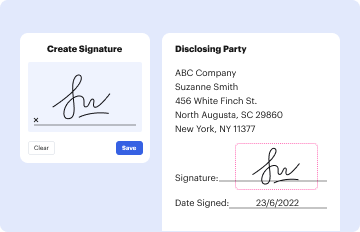
Draw your signature, type it, upload its image, or use your mobile device as a signature pad.
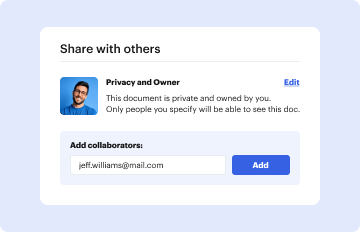
Send it via email, link, or fax. You can also download it, export it or print it out.
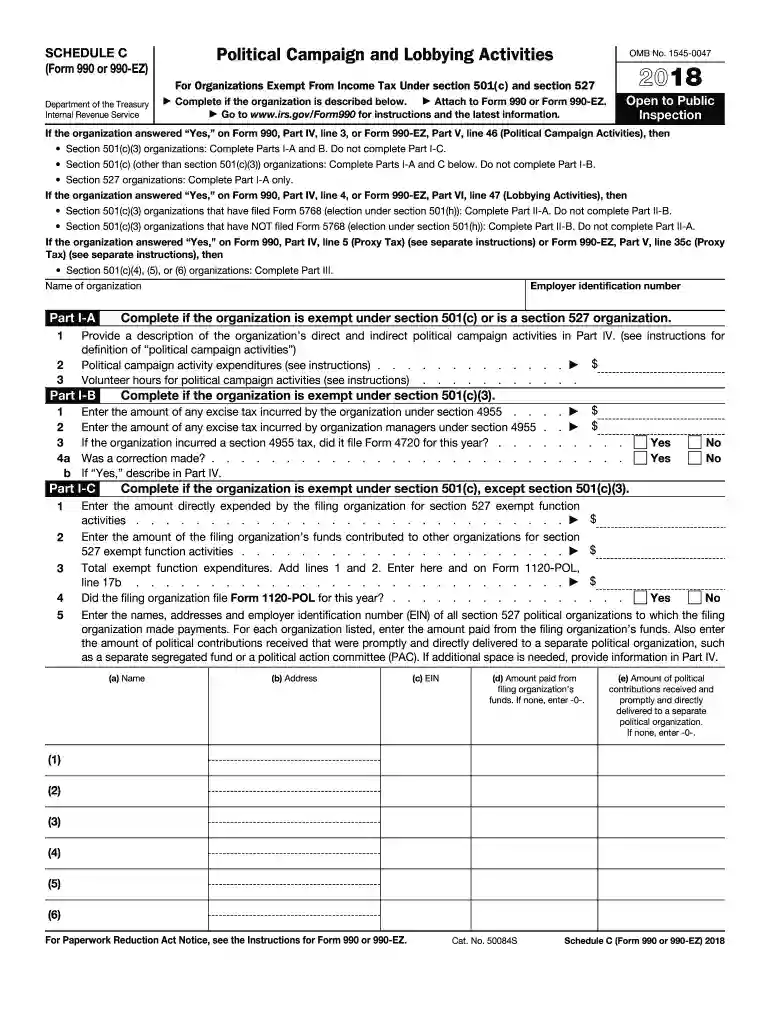
Form 990-EZ, Schedule C is a vital document used by tax-exempt organizations to report their political campaign and lobbying activities. This schedule provides an organized way to disclose expenditures related to political campaigns and lobbying, ensuring compliance with IRS regulations. Organizations falling under sections 501(c) and 527 must use this form to detail both direct and indirect political activities and expenses. Schedule C is a crucial resource to obtain a comprehensive understanding of an organization's engagement in political affairs within a fiscal year.
Schedule C serves multiple purposes for tax-exempt organizations. It allows the IRS and stakeholders to assess the extent of political campaign expenditures and lobbying activities. Organizations can use the form to disclose compliance with specific IRS regulations regarding political and lobbying expenditures. Providing this information is crucial for maintaining an organization's tax-exempt status. Additionally, it informs stakeholders, including donors and members, of the organization's political and lobbying engagements, thus offering transparency and fostering trust.
Form 990-EZ C can be easily accessed through the IRS website. Organizations can download a digital copy and fill it using supported software or complete it manually. It's imperative to ensure that the latest version of the form is being used to meet any updated regulatory requirements. Many software packages that deal with tax preparation also include this form within their repertoire, allowing for easy access and integration with other tax documents.
Collect Necessary Information: Gather details of all political campaign activities and lobbying efforts, including dates, amounts spent, and the nature of the activities.
Fill Out Identifying Information: Enter the organization's name, address, EIN, and tax year at the top of Schedule C.
Detail Political Activities: In Part I of the form, provide comprehensive data on expenditures related to political campaigns, including direct and indirect expenses.
Outline Lobbying Activities: Part II requires specifics about lobbying activities, including expenditures and volunteer hours dedicated to these endeavors.
Verify Compliance: Ensure compliance with the IRS regulations governing such activities by reviewing guidelines specific to your organization's tax status.
Review and Submit: Carefully review the completed form for accuracy before submitting it as part of the broader Form 990-EZ filing.
Eligibility to file Form 990-EZ C extends to organizations exempt from income tax under sections 501(c) or 527. Primarily, these organizations engage in political activities and lobbying, making compliance with section 527(f) crucial. Eligibility also depends on the level of political or lobbying activities, as minimal activities might not necessitate detailed reporting on Schedule C.


Adherence to IRS guidelines is paramount when dealing with Form 990-EZ C. Organizations must ensure that all reported activities align with permissible limits set by the IRS; exceeding these limits could result in fines or jeopardize tax-exempt status. It is essential to accurately report expenditures and maintain detailed records of all activities. The IRS provides substantial resources and guidelines to assist organizations in maintaining compliance, highlighting the importance of understanding these rules in their entirety.
Political Campaign Expenditures: Includes both direct and indirect expenses, such as contributions to political candidates or parties.
Lobbying Activities: Detailed reporting of all lobbying efforts and respective expenditures.
Disclosure Requirements: Ensure full transparency of political engagements and lobbying activities.
Volunteer Hours: Report on volunteer personnel dedicated to political or lobbying tasks.
Carefully detailing these elements and adhering to the IRS requirements is critical for accurate reporting and maintaining compliance.
Failure to file Form 990-EZ C or providing incomplete or inaccurate information can result in penalties, including fines, and may compromise an organization's tax-exempt status. The IRS may impose taxes on non-qualified expenditures, and ongoing non-compliance could lead to revocation of tax-exempt status. Understanding these consequences underscores the necessity of accurate and complete filing of Form 990-EZ C.
By addressing these aspects, organizations can better manage their political and lobbying activities, ensuring compliance with IRS rules and maintaining their tax-exempt status.
We've got more versions of the schedule c form 2022 form. Select the right schedule c form 2022 version from the list and start editing it straight away!
| Versions | Form popularity | Fillable & printable |
|---|---|---|
| 2025 | 4.4 Satisfied (41 Votes) | |
| 2024 | 4.9 Satisfied (55 Votes) | |
| 2023 | 4.9 Satisfied (35 Votes) | |
| 2022 | 4.5 Satisfied (28 Votes) | |
| 2021 | 4.8 Satisfied (200 Votes) | |
| 2020 | 4.4 Satisfied (131 Votes) | |
| 2019 | 4.1 Satisfied (32 Votes) | |
| 2018 | 4.4 Satisfied (352 Votes) | |
| 2017 | 4.4 Satisfied (236 Votes) | |
| 2016 | 4.4 Satisfied (52 Votes) | |
| 2015 | 4.4 Satisfied (64 Votes) | |
| 2013 | 4 Satisfied (45 Votes) | |
| 2010 | 4.3 Satisfied (49 Votes) |
At DocHub, your data security is our priority. We follow HIPAA, SOC2, GDPR, and other standards, so you can work on your documents with confidence.
Complete if the organization is a section 501(c)(3) organization or a section 4947(a)(1) nonexempt charitable trust. Attach to Form 990 or Form 990-EZ. GoRead more
May 2, 2025 In a clear and concise manner, describe the services provided, the number of persons benefited, and other relevant information for each programRead more


