Understanding the Proof of Hospitalization Form
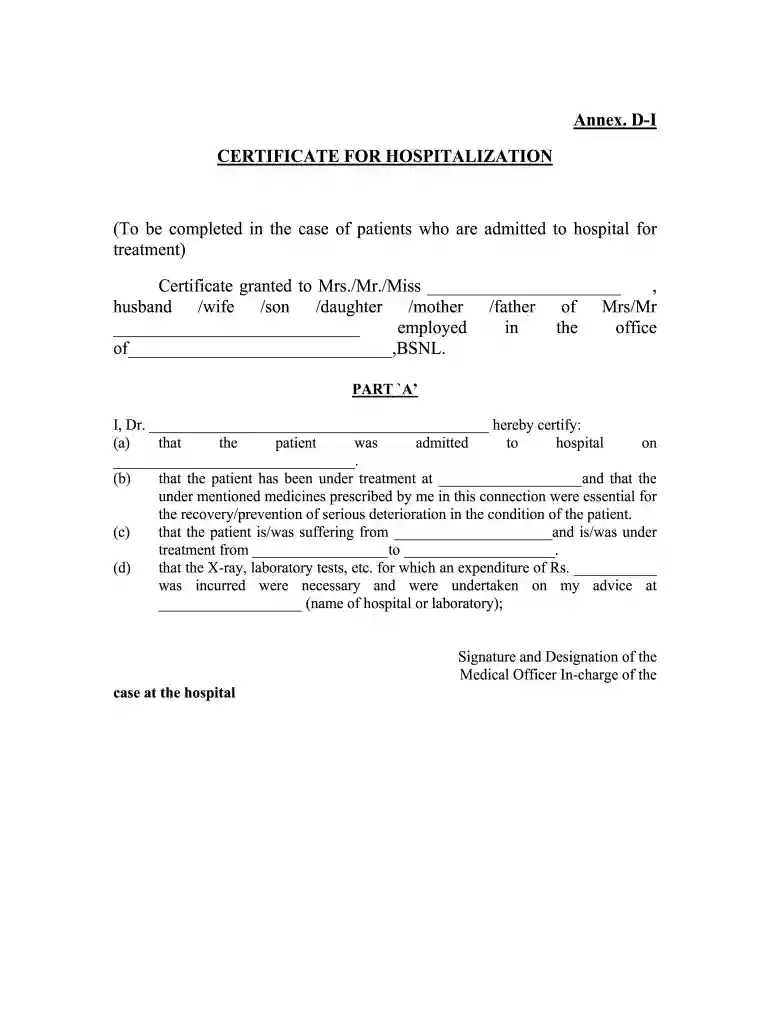
The proof of hospitalization form is an official document that certifies an individual's admission and treatment during their stay at a hospital. This form is crucial for various purposes, such as claims for insurance, verification for employers, or documentation for legal reasons regarding a patient's medical condition.
Key Components of the Proof of Hospitalization Form
A typical proof of hospitalization form consists of several essential elements that must be clearly articulated. These components include:
- Patient Details: The full name, date of birth, and patient identification number are usually required to ensure that the document corresponds to the correct individual.
- Admission Information: This section specifies the admission date, discharge date, and the reason for hospitalization, providing context for the patient's medical treatment.
- Medical History Summary: A brief overview of the patient's diagnosed condition and the treatments received during the hospital stay. This may include procedures performed, medications prescribed, and tests administered.
- Hospital Details: The name, address, and contact information of the hospital where the treatment took place, alongside the attending physician's details for further verification.
- Certification Statement: An official declaration that the information contained within the form is accurate, signed by a licensed medical professional.
How to Obtain a Proof of Hospitalization Form
To obtain a proof of hospitalization form, follow these steps:
- Contact the Hospital: Reach out to the hospital's medical records department. This can often be done via their official website or immediate contact number.
- Provide Necessary Information: Be prepared to provide identifying details, such as the patient's name, date of birth, and dates of hospitalization. This helps expedite the retrieval of the required documentation.
- Request the Form: Once your identity is verified, request a proof of hospitalization form. Some hospitals may have standardized templates that can be filled out directly.
- Submit Additional Documentation if Necessary: In certain cases, especially for legal or insurance purposes, additional documents might need to be submitted along with your request.
Essential Usage Scenarios for the Proof of Hospitalization Form
Several situations may require the provision of a proof of hospitalization form:
- Insurance Claims: Patients might need to submit this form to their health insurance providers to claim benefits for services rendered during their hospital stay.
- Employer Verification: Employees may have to present this document to their employer when taking medical leave, ensuring their absence is justified.
- Legal Proceedings: The form may be used as evidence in personal injury cases or other legal disputes where proof of medical treatment is essential.
- Loan Applications: In certain financial scenarios, such as applying for a personal loan, banks may request this form to confirm an applicant’s health history.
Variations of the Proof of Hospitalization Form
While the core function of the proof of hospitalization form remains consistent, it may have several variants depending on specific needs or institutional preferences:
- Inpatient Certificates: These are specialized documents issued for patients who were admitted for overnight stays.
- Outpatient Verification Letters: For treatments that do not require hospitalization but need official validation for medical services rendered.
- Federal Forms: In some cases, organizations may require submission of additional paperwork or specific formats to fulfill government criteria, particularly for healthcare programs or Veterans Affairs.
Legal and Privacy Considerations
When handling a proof of hospitalization form, it is crucial to maintain compliance with the Health Insurance Portability and Accountability Act (HIPAA) regulations to protect patient privacy. Key points include:
- Confidential Information: Ensure that personal health details are only shared with authorized individuals or entities.
- Data Security: When transmitting this form electronically, apply proper security measures, such as encryption, to safeguard sensitive information.
- Retention Policies: Both patients and hospitals should adhere to appropriate record-keeping policies that govern how long these forms must be stored for legal and medical purposes.
This comprehensive examination of the proof of hospitalization form serves to highlight its importance, utility, and the requisite steps for obtaining and utilizing the document effectively.