



01. Edit your transfer ownership document online
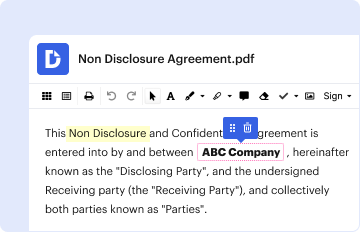
Type text, add images, blackout confidential details, add comments, highlights and more.

Type text, add images, blackout confidential details, add comments, highlights and more.
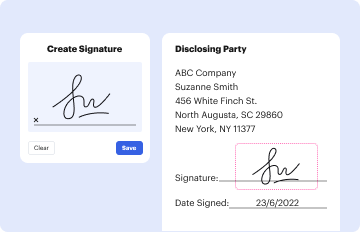
Draw your signature, type it, upload its image, or use your mobile device as a signature pad.

Send transfer of ownership document via email, link, or fax. You can also download it, export it or print it out.
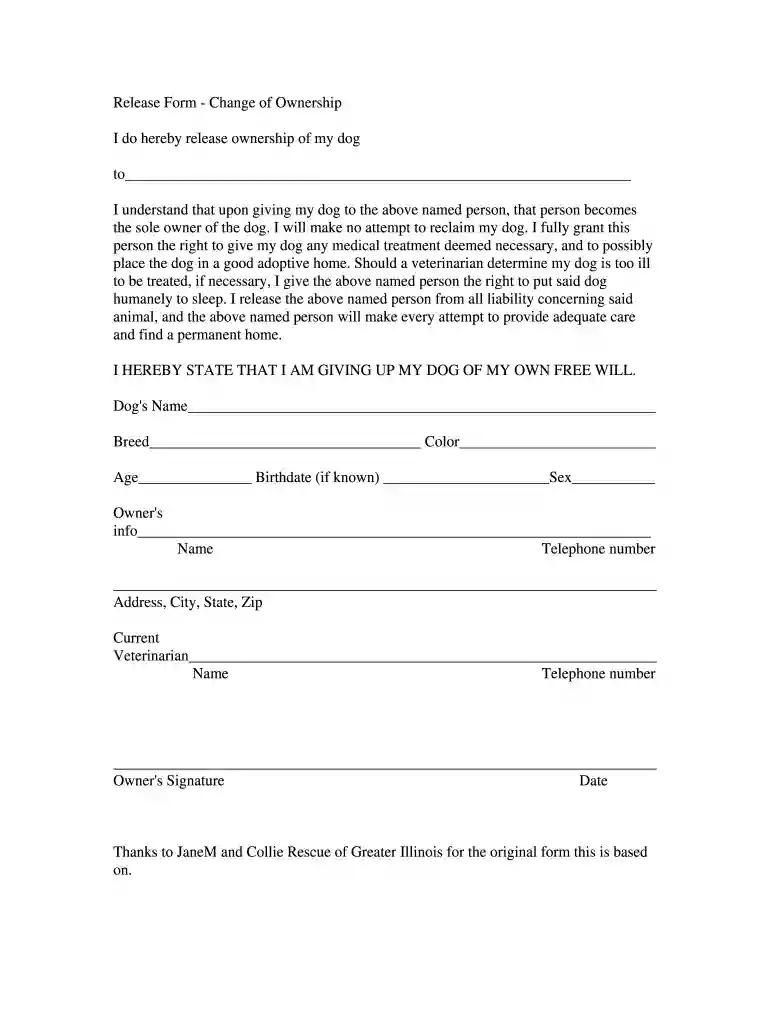
A change of ownership document is a legal form that facilitates the transfer of pet ownership from one person to another. This form is common among pet owners, particularly those transferring dogs or cats. It is essential that both the current owner and the new owner are clear on the terms and responsibilities outlined in this document. The successful completion of this paperwork ensures that the new owner has full rights over the care and management of the pet.
When creating or reviewing a change of ownership document, several key components should be included to ensure clarity and legality:
Current Owner Information: This section should contain the full name, address, and contact information of the current owner. Clear identification of the seller prevents disputes regarding the transfer of ownership.
New Owner Information: Similar to the current owner, the new owner's full name, address, and contact information should be documented. This establishes the legal recipient of the pet.
Animal Details: Accurate details about the animal, including name, breed, age, color, and identifiable features such as microchip number or registration details, should be included. This information is critical for confirming which pet is being transferred.
Legal Release: The document should contain a section where the current owner relinquishes all rights and responsibilities regarding the pet. This section may also release the new owner from liability for any issues related to the pet after the transfer is complete.
Understanding the legal implications of transferring pet ownership is vital. Here are significant points to consider:
Legality in the US: Most states legally recognize the transfer of pet ownership through documented agreements. This holds particularly true for dogs and cats but may vary for other animals based on state regulations.
Liability Issues: If the pet causes harm or becomes a liability after the ownership transfer, the new owner assumes responsibility. It is advisable to document the transfer formally to avoid disputes regarding liability.
Health and Wellness: New owners should be made aware of any medical history, including vaccinations and existing health conditions. This information helps the new owner provide appropriate care.
To ensure a smooth transfer process, follow these outlined steps when filling out a change of ownership document:
Obtain the Form: Secure a copy of the change of ownership document. Many templates are available online, tailored specifically for dog or cat transfers.
Fill in the Relevant Information: Clearly fill out details regarding both the current and new owners, along with complete animal identification.
Review the Document: Both parties should carefully review the form to confirm all information is accurate and mutually agreeable.
Sign the Document: It is essential that both the current owner and the new owner sign the document in the presence of a witness or notary. This adds an extra layer of legitimacy to the agreement.
Keep Copies: Each party should retain a copy of the signed document for their records. This serves as proof of the transfer if questions or issues arise in the future.
When managing the transfer of pet ownership, consider the following best practices:
Use Clear Language: Ensure the document uses straightforward and unambiguous language to prevent misunderstandings.
Ensure Mutual Agreement: Both the current and new owners should agree on the terms outlined in the ownership document. Open communication can prevent future disputes regarding responsibilities and care.
Consult Legal Advice if Necessary: In more complex ownership transfers or if significant liabilities are involved, seeking legal counsel can help clarify obligations and rights.
Several real-world scenarios highlight the importance of a change of ownership document:
A family moving to a new home may need to re-home their dog due to unforeseen living arrangements; a documented change of ownership ensures the new home is established legally and comfortably for the pet.
A friend may adopt a pet after the original owner can no longer care for it due to financial or health reasons. Completing the change of ownership documentation formalizes the transfer and clarifies care responsibilities.
In some cases, a pet may be returned to a breeder or rescue organization, necessitating a change of ownership document to record the return process legally.
An accurate and comprehensive change of ownership document can help facilitate smooth transitions for both the pet and the owners involved, ensuring that all parties understand their rights and responsibilities moving forward.
At DocHub, your data security is our priority. We follow HIPAA, SOC2, GDPR, and other standards, so you can work on your documents with confidence.




Please fill out and sign this form, so we can automatically transfer the current DIRECTV account into your name. Well handle the rest, so you and yourRead more
If the ownership of a registered mark changes, the new owner may request that a new certificate of registration be issued in the name of the new owner.Read more
A deed or other instrument documenting a change of ownership of the property has been recorded with the county clerk of court. The transfer corrects anRead more


