




01. Edit your reo schedule template online
Type text, add images, blackout confidential details, add comments, highlights and more.

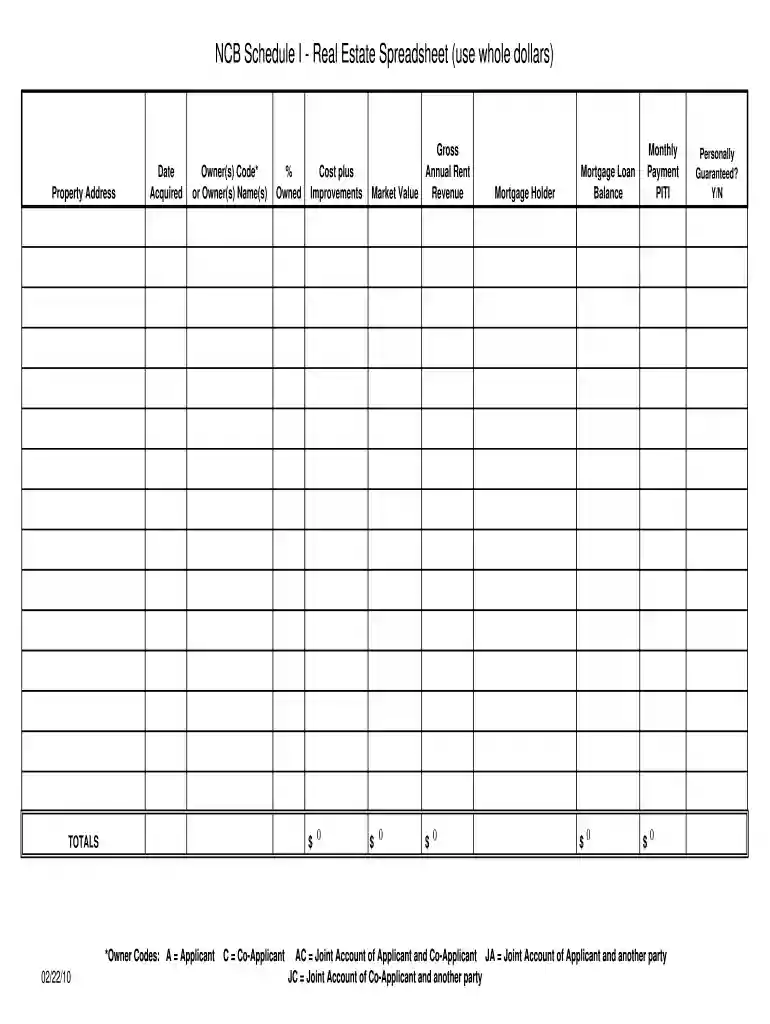
Type text, add images, blackout confidential details, add comments, highlights and more.

Draw your signature, type it, upload its image, or use your mobile device as a signature pad.

Send reo schedule template excel via email, link, or fax. You can also download it, export it or print it out.
The Schedule of Real Estate Owned, commonly referred to as the REO schedule, is a vital document that details the real estate assets owned by an individual, business, or organization. This schedule provides crucial information regarding ownership percentages, acquisition dates, and financial metrics associated with the properties, including property values and mortgage details.
Creating a fillable version of the Schedule of Real Estate Owned can significantly enhance usability. This allows for easy data entry and ensures all necessary information is captured in a structured manner.
Using the Schedule of Real Estate Owned is not only a procedural requirement in many financial applications, such as loan approvals, but it also serves legal purposes.
The advancement of technology greatly enhances how individuals and organizations create and manage their REO schedules.
Examining practical applications of the Schedule of Real Estate Owned illuminates its versatility across various situations.
In a world where accurate documentation of real estate assets is crucial, understanding and effectively utilizing the Schedule of Real Estate Owned can enhance investment strategies, compliance, and financial clarity.
We've got more versions of the reo schedule template form. Select the right reo schedule template version from the list and start editing it straight away!
| Versions | Form popularity | Fillable & printable |
|---|---|---|
| 2010 | 4.8 Satisfied (246 Votes) |
At DocHub, your data security is our priority. We follow HIPAA, SOC2, GDPR, and other standards, so you can work on your documents with confidence.

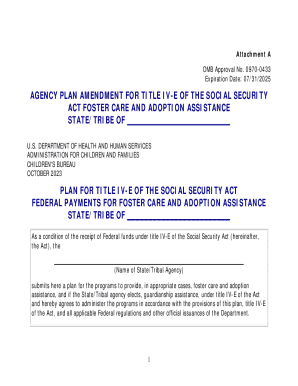

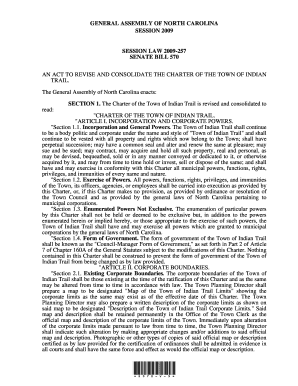


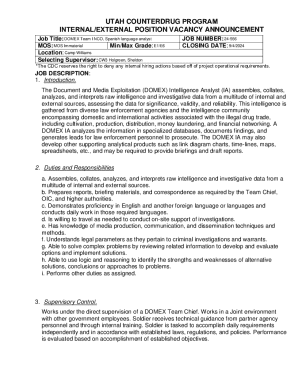
Download a free schedule of real estate owned template. Send reo schedule template excel via email, link, or fax. Please list all of your real estate properties
Mar 13, 2015 From the Schedule tab, define how often you want to run the report and the date range the report should cover. From the Email tab, click on NewRead more
Except as directed below, list all real property in which the debtor has any legal, equitable, or future interest, including all property owned as a co-.Read more


