







Definition and Meaning of Mobile Home Purchase Agreement
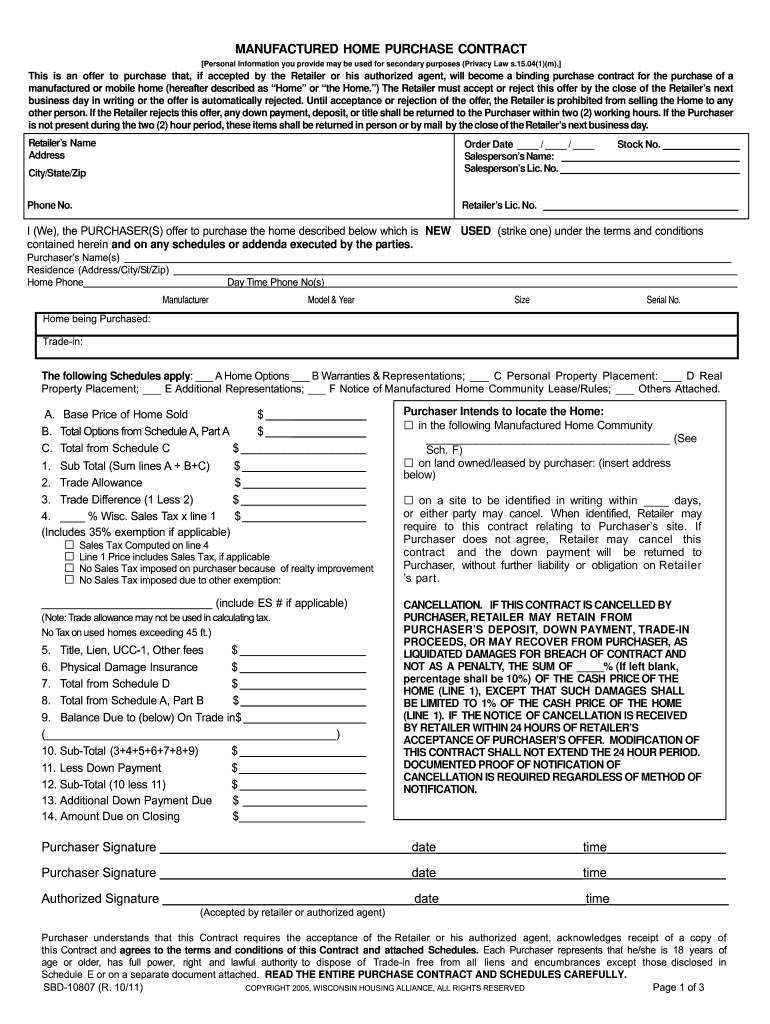
A mobile home purchase agreement is a legal document that outlines the terms and conditions under which a mobile home is bought or sold. This contract specifies critical details, including the price, financing arrangements, responsibilities of the buyer and seller, and any contingencies. It serves as a binding agreement that protects both parties by ensuring clarity on the transaction's specifics.
The agreement typically includes:
- Buyer and Seller Information: Names and contact information of both parties involved in the transaction.
- Property Description: A complete description of the mobile home, including its location, model, and Serial Numbers.
- Purchase Price: The total amount agreed upon for the transaction and the payment method.
- Financing Terms: Details on down payments, loan terms, and interest rates if applicable.
- Contingencies: Conditions that must be met for the sale to proceed, such as inspections or financing approval.
- Signatures: Signatures from both parties which make the agreement legally binding.
Understanding these elements is essential for anyone involved in buying or selling a mobile home, as it provides essential legal protection and clarity throughout the process.
Key Elements of the Mobile Home Purchase Agreement
The mobile home purchase agreement contains several key elements that ensure all aspects of the sale are covered. Understanding these components is crucial for both buyers and sellers to ensure a smooth transaction.
-
Identification of Parties: The agreement should clearly identify both the buyer and the seller, including their legal names and contact information.
-
Description of the Home: Detailed descriptions must be provided, including the address, dimensions, and features of the mobile home. This detail helps prevent misunderstandings regarding what is being sold.
-
Purchase Price and Payment Terms: The contract should explicitly state the purchase price, including any deposits required or financing conditions. This section informs both parties of financial expectations.
-
Conditions of Sale: This includes any contingencies such as completion of repairs, inspections, or financing approval before finalizing the purchase.
-
Closing Date and Possession: The agreement must specify when the purchase will be finalized and when the buyer will take possession of the mobile home.
-
Dispute Resolution Clause: It is beneficial to include information on how disputes will be handled, whether through mediation, arbitration, or in court.
-
Legal Compliance: The agreement should state that it complies with local and federal laws regarding mobile home sales, protecting both parties against legal repercussions.
These key elements help to create a fair and comprehensive framework for the sale, ensuring transparency and legal compliance throughout the process.
How to Use the Mobile Home Purchase Agreement Printable
Utilizing a mobile home purchase agreement printable effectively involves several steps that ensure the contract is filled out correctly and legally binding.
-
Download the Agreement: Obtain a free printable purchase agreement for mobile homes from a reliable source. Ensure that the template suits the specific type of transaction you are undertaking.
-
Fill in the Details: Carefully enter all required information about the buyer, seller, and mobile home specifics, such as model and serial number. Double-check for accuracy to avoid issues later on.
-
Include Special Provisions: If there are any unique conditions to the sale—such as repairs that must be made or specific financing arrangements—be sure to include these in the agreement.
-
Review and Revise: Both parties should review the completed form to ensure all the terms are clear and agreeable. It may be beneficial to have a third party, such as a real estate agent or legal advisor, review the agreement before signing.
-
Sign and Date: Once both parties agree on the terms, they should sign and date the document. This action is what legally binds the agreement.
-
Distribute Copies: Provide copies of the signed agreement to all parties involved and keep a copy for your records. This ensures that everyone has access to the contract terms in case of future disputes.
Following these steps allows both buyers and sellers to use the mobile home purchase agreement effectively and with confidence.
Steps to Complete the Mobile Home Purchase Agreement Printable
Completing a mobile home purchase agreement printable involves several key steps that ensure accuracy and legal compliance. The following detailed guide outlines the procedure:
-
Acquire the Correct Document: Obtain a reputable template for the mobile home purchase agreement. Verify that it complies with local laws and reflects the specifics of a mobile home sale.
-
Input Buyer and Seller Information: Fill in all requested details for both the buyer and seller. Ensure that names, addresses, and contact information are correct to avoid issues in future communications.
-
Describe the Mobile Home: Provide a comprehensive description of the mobile home being sold. Include its make, model, size, serial number, and any unique features or conditions. This information is critical for legal clarity.
-
Detail the Purchase Price and Terms: Specify the total purchase price and the payment methods being used. Include information about any deposits or financing arrangements, such as loan details and interest rates.
-
Outline Important Conditions: Clearly define any contingencies that must be met for the sale to go through, such as repairs or inspections. This section protects both parties and clarifies expectations.
-
Set Closing Date and Possession Terms: Specify when the closing will occur and when the buyer will take possession of the mobile home. This information is vital for planning the transaction timeline.
-
Include Signatures: Ensure that both parties sign and date the agreement. This step formalizes the contract and makes it legally binding.
-
Distribute Copies: Make copies for all parties involved and retain a copy for personal records. This action is crucial for future reference if any disputes arise.
Following these detailed steps helps to ensure that the mobile home purchase agreement is completed accurately and effectively, safeguarding the interests of all involved parties.
Legal Use of the Mobile Home Purchase Agreement Printable
The legal use of a mobile home purchase agreement printable encompasses multiple aspects important for both buyers and sellers to understand. This document serves to formalize the transaction according to state and federal laws governing sales of mobile homes.
-
Binding Agreement: The mobile home purchase agreement becomes a legally enforceable document once both parties sign it. This means that any terms agreed upon within the document are legally binding and enforceable in a court of law.
-
Compliance with State Regulations: Buyers and sellers must ensure that the agreement complies with specific state laws related to mobile home transactions. Different states may have specific requirements regarding disclosures, inspections, or title transfers that the agreement must reflect.
-
Protection of Rights: The agreement protects the legal rights of both the buyer and the seller. For instance, the buyer has the right to receive the home in the agreed condition, while the seller is entitled to receive payment as outlined in the document.
-
Clarity on Terms and Conditions: By documenting the transaction details, the agreement minimizes the chances of disputes. When disputes do arise, having a clear, signed document provides a reference point for resolving these issues.
-
Required Documentation for Financing: If financing is involved in the purchase, lenders often require a complete and legally compliant purchase agreement. This documentation is essential for securing loans or mortgages related to mobile home purchases.
Understanding the legal implications and requirements surrounding the use of a mobile home purchase agreement helps both buyers and sellers navigate the mobile home transaction process more efficiently, reducing risk and ensuring compliance with applicable laws.




