
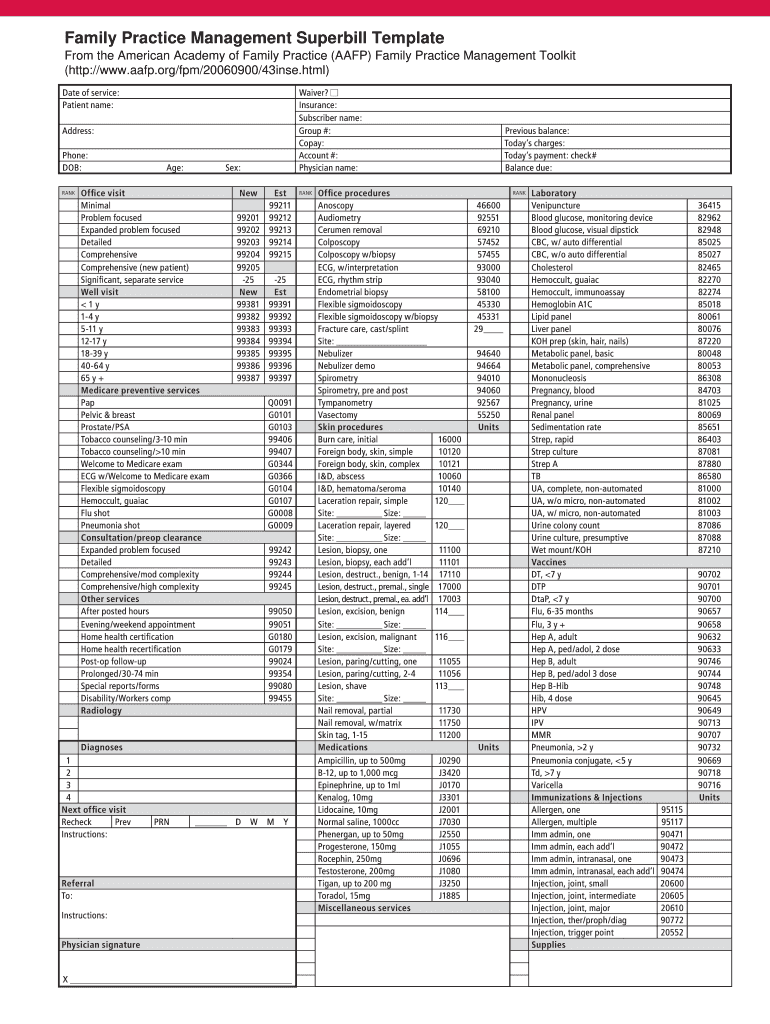







Definition and Purpose of a Superbill Template
A superbill template is a crucial document used in the healthcare industry, primarily for billing and insurance purposes. It serves as a detailed invoice, summarizing services rendered to a patient during their visit. This template includes multiple sections to capture vital patient information, the specifics of medical services provided, and the associated costs. The format is designed to streamline billing procedures, making it easier for healthcare providers to submit claims to insurance companies efficiently.
- Key components of a superbill template include:
- Patient details (name, date of birth, insurance information)
- Provider information (physician’s name, NPI number)
- Date of services rendered
- Diagnosis codes (ICD-10)
- Procedure codes (CPT)
- Itemized list of services with associated costs
This structured format facilitates precise billing, minimizes errors, and enhances the efficiency of the claims submission process.
Creating a Superbill Template in Excel
Creating a superbill template in Excel can be a straightforward process, allowing healthcare providers to customize it according to their specific needs. Excel’s grid format offers flexibility in designing a layout that works best for the practice.
-
Start with a Blank Spreadsheet:
- Open Excel and create a new workbook.
-
Set Up Header Information:
- In the first few rows, insert the healthcare provider’s name, address, contact details, and logo if applicable.
- Include sections for patient demographics above the service table.
-
Design the Service Table:
- Use columns for date of service, procedure descriptions, applicable codes (CPT and ICD-10), charges, and payer details.
- Add rows for entry of each service rendered during a patient visit.
-
Finalizing Calculations:
- Utilize Excel formulas to auto-calculate totalling charges and payment amounts. This enhances accuracy and expedites the billing process.
-
Formatting for Clarity:
- Apply borders, colors, or shading to distinguish sections effectively and improve readability.
By following these steps, healthcare providers can create an efficient superbill template specific to their practices.
Key Elements of a Superbill Template
A superbill template comprises several essential elements that must be included to ensure compliance with insurance billing requirements. Understanding these components improves the accuracy and efficiency of the billing process.
-
Patient Information:
- Patient's full name
- Insurance policy number
- Date of birth
-
Provider Details:
- Name of the healthcare provider
- National Provider Identifier (NPI)
-
Service Details:
- Date of service
- Descriptions of current and previous medical procedures
- Associated procedure and diagnosis codes
-
Charge Information:
- Itemized list of services rendered
- Costs for each service
- Total amount due
This structured approach not only aids in billing but also serves as a record of the services provided, crucial for both patient and provider records.
Types of Superbill Templates Available
Various types of superbill templates cater to specialized fields within healthcare, accommodating diverse billing needs. Each variation may focus on specific disciplines, ensuring compliance with particular coding standards.
-
Primary Care Superbill Template:
- For general practitioners, featuring standard services and common diagnosis codes.
-
Pediatric Superbill Template:
- Tailored for pediatricians, including age-specific diagnosis codes and relevant services.
-
Cardiology Superbill Template:
- Includes procedures and codes relevant to cardiac health services, reflecting specialized diagnostic testing.
-
Dental Superbill Template:
- Focused on dental services, including procedures unique to oral health and associated billing codes.
-
Dermatology Superbill Template:
- Specifically formatted to include services like biopsies, skin checks, and aesthetic procedures.
Using specialized superbill templates helps professionals in these fields ensure they are using the appropriate codes and procedures as per their industry requirements.
Common Errors When Using a Superbill Template
Mistakes during the creation and submission of superbills can lead to delayed payments or claim rejections. Recognizing common errors can enhance the efficiency and accuracy of the billing process.
-
Incomplete Patient Information:
- Failing to include essential patient demographics can lead to delayed processing of claims.
-
Incorrect Codes:
- Misusing ICD or CPT codes can result in claim denials. Ensure the latest coding updates are regularly checked.
-
Service Itemization Errors:
- Missing out on detailing specific services rendered can create confusion for insurers and delays in payment.
-
Formatting Issues:
- Poorly formatted templates may lead to misinterpretation by insurance companies. Prioritize clarity and organization.
By being vigilant about these potential errors, healthcare providers can improve the claims submission process, ensuring timely payments.
Utilizing Free and Editable Superbill Templates
Several resources provide free and editable superbill templates, offering healthcare providers flexibility in customizing documents to their needs. Using these resources can save time and enhance efficiency.
-
Features of Free Superbill Templates:
- Downloadable formats (Excel, PDF) that allow easy editing and personalization.
- Sections that can be adjusted to match specific medical practices.
- Clear guidance on including necessary codes and service descriptions.
-
Customization Options:
- Templates can often be tailored to reflect the practice's branding, including logos and specific service categories.
-
Accessing Templates:
- Many online platforms offer downloadable templates for immediate use, often designed with the latest coding standards in mind.
Leveraging these resources enables practices to optimize their billing processes efficiently without incurring additional costs.




