




01. Edit your form online
Type text, add images, blackout confidential details, add comments, highlights and more.

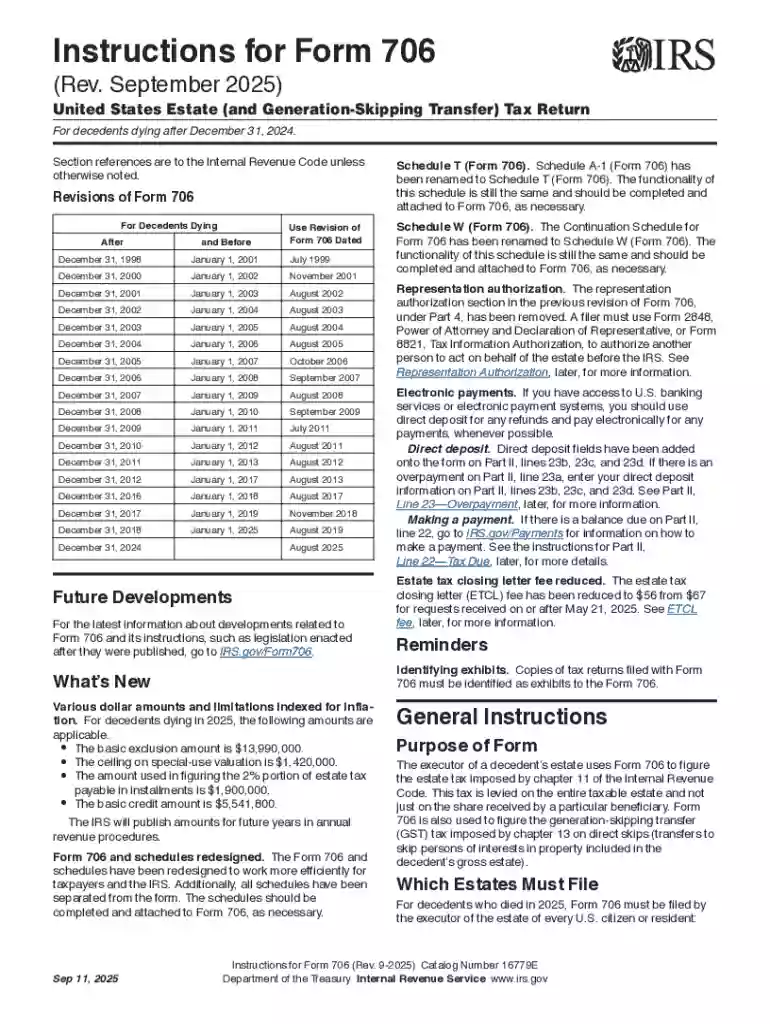
Type text, add images, blackout confidential details, add comments, highlights and more.

Draw your signature, type it, upload its image, or use your mobile device as a signature pad.

Send it via email, link, or fax. You can also download it, export it or print it out.
The IRS Form 706, formally known as the United States Estate (and Generation-Skipping Transfer) Tax Return, serves as an essential document for reporting the transfer of a deceased person's property to their beneficiaries. It is primarily used to determine the estate tax due on the estate of a decedent who held assets in the United States at the time of their death. Estates valued above a certain threshold, which is subject to inflation adjustments, are required to file this form. Form 706 also facilitates the calculation of the Generation-Skipping Transfer Tax that applies for some estates.
The form's primary function is to provide detailed accounting of the decedent's taxable estate, noting any applicable deductions or credits. This ensures an accurate calculation of the estate tax liability. The form aids in tracking how the deceased's assets are transferred to the next generation, enabling the IRS to levy appropriate taxes while offering provisions for lawful deductions and exclusions.
Gather Required Documents: Before filling out Form 706, collect all necessary documentation, including asset appraisals, copies of the will, trust documents, and prior gift tax returns.
Determine the Gross Estate: Calculate the total value of the decedent's property, which includes real estate, stocks, bonds, cash, insurance, and other significant assets. An accurate valuation is crucial to ensure compliance with IRS regulations.
Calculate Deductions: Identify eligible deductions, such as funeral expenses, debts owed by the decedent, and charitable contributions. These deductions can decrease the taxable estate amount.
Complete Schedules: Fill out various schedules, such as those for jointly-owned property, annuities, and community property, to ensure comprehensive reporting of the estate’s components.
File by the Deadline: Submit Form 706 within nine months of the decedent’s date of death. If additional time is needed, request an extension to avoid late penalties.
The obligation to file IRS Form 706 depends on the estate's value and characteristics. Estates with a fair market value exceeding the federal estate tax exemption threshold in the year of death must file. The exemption amount can change annually due to inflation adjustments, meaning constant awareness of current limits is essential for executors. Furthermore, if the decedent made substantial gifts during their lifetime exceeding the annual exclusion limit, this might also necessitate filing to account for any applied credits.
Understanding the eligibility criteria helps executors assess their estate’s tax obligations accurately. This often involves seeking professional advice from a tax attorney or accountant to navigate complex situations, such as estates with non-U.S. assets or multiple heirs.
Portability: The ability of a surviving spouse to utilize the decedent's unused estate tax exemption. Properly electing portability can result in significant tax savings for the surviving spouse's estate.
Gross Estate: The total value of all assets owned by the decedent at the time of death, before deductions. This includes tangible and intangible property.
Marital Deduction: Allows estates to transfer a significant portion of their assets to the surviving spouse without incurring estate taxes.
Charitable Deduction: Permits deductions for assets transferred to qualifying charitable organizations.
Each term plays a crucial role in the effective management of estate tax liabilities and requires careful consideration during the preparation of Form 706.
The IRS provides comprehensive instructions for completing Form 706, guiding executors through the process of identifying, valuing, and reporting estate assets. Essential guidelines include methods for determining fair market value, rules for reporting life insurance payouts, and instructions for claiming deductions. Executors must adhere to these directions to avoid errors that could result in penalties or miscalculation of tax obligations.
The IRS regularly updates its guidance to reflect changes in law and tax code adjustments, underscoring the importance of accessing the latest information when filing.
The due date for Form 706 is nine months after the decedent's death. This period allows executors to value the estate accurately and make informed tax decisions. Executors may request a six-month extension to file, though this does not extend the time to pay estate taxes owed, which are also due nine months after death.
Timely filing is crucial to prevent late penalties and interest on unpaid taxes. Executors should prioritize time management when handling estate affairs to meet these critical deadlines effectively.
Several documents are pivotal for completing Form 706:
Comprehensive documentation ensures transparency and compliance with tax regulations, facilitating smoother processing by the IRS.
Failure to submit Form 706 within the mandated deadline results in penalties, including:
Avoiding such penalties requires adherence to filing deadlines and diligent financial planning by executors to ensure available funds for any tax obligations.
We've got more versions of the IRS Form 706: How to Complete the US Estate Tax Return form. Select the right IRS Form 706: How to Complete the US Estate Tax Return version from the list and start editing it straight away!
| Versions | Form popularity | Fillable & printable |
|---|---|---|
| 2025 | 4.8 Satisfied (21 Votes) | |
| 2024 | 4.3 Satisfied (20 Votes) | |
| 2023 | 4.6 Satisfied (58 Votes) | |
| 2022 | 4.2 Satisfied (29 Votes) | |
| 2021 | 4.8 Satisfied (110 Votes) | |
| 2020 | 4.3 Satisfied (140 Votes) | |
| 2019 | 4.4 Satisfied (169 Votes) | |
| 2018 | 4.2 Satisfied (109 Votes) | |
| 2017 | 4 Satisfied (55 Votes) | |
| 2016 | 4.3 Satisfied (75 Votes) | |
| 2015 | 4.4 Satisfied (63 Votes) | |
| 1999 | 4 Satisfied (38 Votes) |
At DocHub, your data security is our priority. We follow HIPAA, SOC2, GDPR, and other standards, so you can work on your documents with confidence.

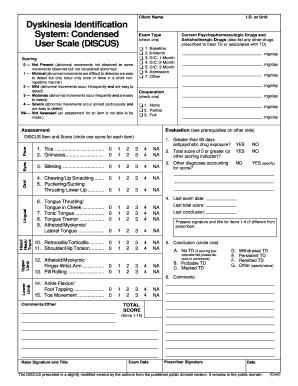



Sep 11, 2025 The executor of a decedents estate uses Form 706 to figure the estate tax imposed by chapter 11 of the Internal Revenue. Code. This tax is
If you are filing this form solely to elect allocation. See the instructions for Line 5 property, whether tangible or intangible,.
1a Decedents first name and middle initial (and maiden name, if any) 1b Decedents last name 2 Decedents social security no.


