Definition and Meaning of Subjectability to Tax Reporting
Subjectability to tax reporting refers to the obligation of an individual, company, or entity to report taxable income and other relevant financial activities to the appropriate tax authorities. This ensures compliance with local, state, and federal tax laws. The requirement can vary significantly depending on the nature of the income, the business structure, and jurisdictional rules. Understanding this obligation is crucial for maintaining good standing with tax agencies and avoiding legal penalties.
Key Elements Involved
- Income Types: Includes wages, dividends, interests, rental income, and business profits.
- Business Structures: Corporations, partnerships, limited liability companies, and sole proprietorships have different reporting requirements.
- Jurisdiction: Different states may have unique reporting rules and thresholds.
How to Use the Subjectability to Tax Reporting
To effectively use the subjectability to tax reporting, you need to collect and organize all pertinent financial records throughout the fiscal year. This includes receipts, invoices, and financial statements. Proper use involves accurately calculating your taxable income, applying relevant deductions, and reporting these findings on the correct forms.
Step-by-Step Guide
- Collect Financial Records: Gather all necessary documents related to income, expenses, and tax-deductible transactions.
- Calculate Taxable Income: Determine your total income and subtract allowable deductions.
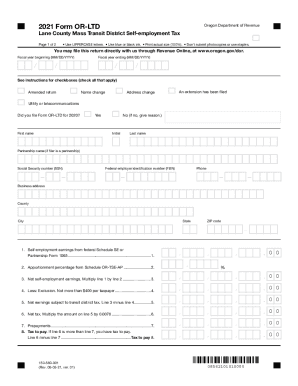
- Select Appropriate Forms: Use the specific forms required by the IRS or state authorities.
- Complete the Documentation: Fill out all sections accurately and attach necessary schedules or statements.
- Review and Submit: Double-check for errors and submit electronically or by mail according to the filing method you choose.
Steps to Complete the Subjectability to Tax Reporting
Completing the reporting process requires meticulous attention to detail along with a clear understanding of the applicable tax codes. Here is a detailed procedure:
- Understand Eligibility Criteria: Confirm if your income or business activities fall under mandatory reporting.
- Prepare Documents: List all sources of income and deductions.
- Fill Out Forms: Precisely complete each part of the form, ensuring compliance with IRS guidelines.
- Attach Documentation: Provide supporting documents as required.
- Submitting Options: Depending on the form, submit via online systems like IRS e-File or by mail.
- Confirmation: Ensure receipt of submission acknowledgment if using electronic methods.
Who Typically Uses the Subjectability to Tax Reporting
The subjectability to tax reporting is used by both individuals and businesses that have reportable income within a tax period. This includes:
- Self-Employed Individuals: Freelancers or contractors who need to file for income from multiple clients.
- Corporations and LLCs: Businesses that must report income, expenses, and any applicable deductions.
- Landlords: Property owners reporting rental income.
- Investors: Those who report earnings from dividends or capital gains.


Legal Use of the Subjectability to Tax Reporting
Legally, subjectability to tax reporting is guided by standards set by the IRS and state tax authorities. Compliance with these laws ensures that individuals and businesses fulfill their fiscal responsibilities.
Legal Considerations
- Accuracy: Ensure that all reported figures are true and verified.
- Timeliness: Filing within the set deadlines to avoid penalties.
- Document Retention: Maintain copies of reports and supporting documentation for at least three years, as audits may require historical data.
Important Terms Related to Subjectability to Tax Reporting
Understanding specific terminology can aid in effectively navigating the tax reporting process. Here are some key terms:
- Taxable Income: The portion of income subject to tax, after deductions and exemptions.
- Deductions: Qualifying expenses subtracted from total income to reduce tax liability.
- Exemptions: Allowances that reduce taxable income, typically related to dependents or filing status.
- Tax Credit: Direct reductions of tax liability, distinct from deductions.
State-Specific Rules for Subjectability to Tax Reporting
Various states impose unique tax reporting rules, which can lead to differences in how subjectability to tax reporting is executed.
Examples of State Differences
- California: Implements a Franchise Tax for corporations, requiring detailed subsidiary income reporting.
- Texas: No state income tax, but businesses are subject to margin tax based on gross receipts.
Penalties for Non-Compliance
Failing to comply with subjectability to tax reporting obligations can result in severe legal and financial repercussions.
Common Penalties
- Monetary Fines: Amounts can increase the longer the non-compliance period lasts.
- Interest Charges: Accrue on outstanding tax debt until paid.
- Legal Action: In extreme cases, non-compliance may result in prosecution or business closure.
Understanding these sections thoroughly will aid users in effectively approaching their subjectability to tax reporting obligations, ensuring compliance and minimizing risks associated with non-compliance.