






Understanding Front-Loaded vs. Rear-Loaded Coupons
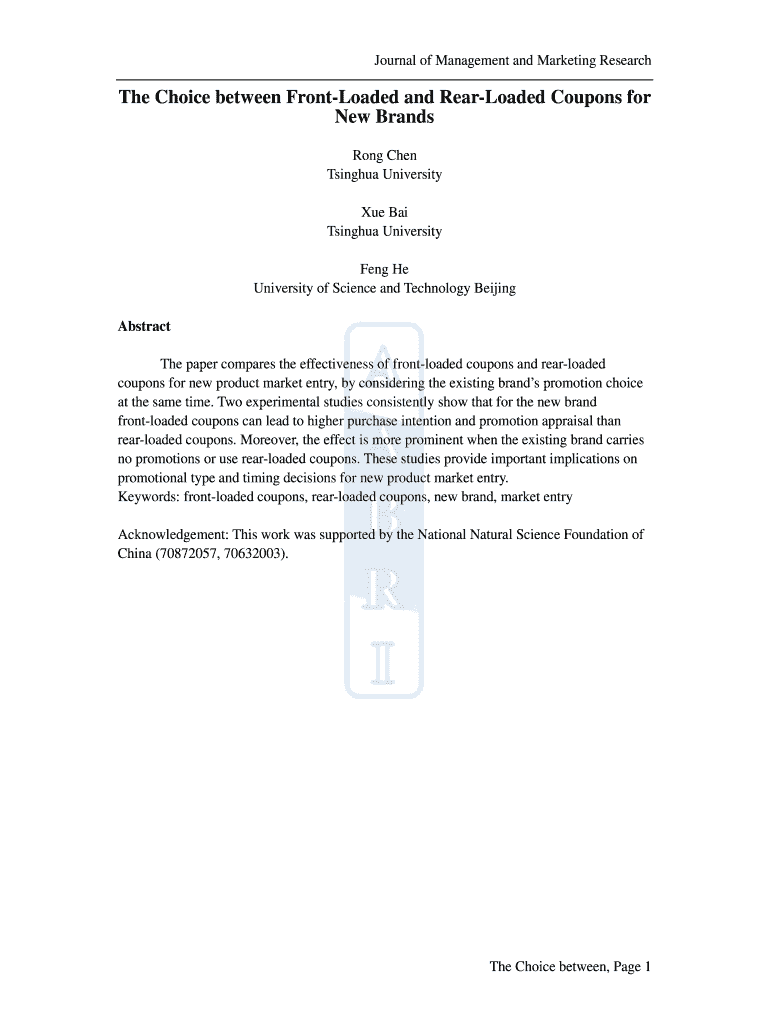
Front-loaded coupons provide immediate discounts on purchases, offering incentives at the point of sale. Rear-loaded coupons, however, are redeemed after the initial transaction, typically requiring an additional purchase or action. Both have distinct impacts on consumer behavior, depending on factors such as brand recognition and market strategy.
Utilization Strategies for Front-Loaded Coupons
- Attracting New Customers: Use promotions to entice first-time buyers by lowering the initial purchase cost.
- Competitive Edge: Implement in markets with high competition to differentiate and incentivize immediate purchases.
- Impulsive Buying: Encourage spur-of-the-moment purchases by offering immediate discounts visible during checkout.
Leveraging Rear-Loaded Coupons Effectively
Long-Term Engagement
- Customer Retention: Encourage future interactions by necessitating another purchase to redeem the discount.
- Loyalty Programs: Integrate into loyalty schemes to reward continued patronage and increase lifetime value.
Steps to Implement a Coupon Strategy
- Identify Target Audience: Determine demographic characteristics and purchasing habits.
- Select Coupon Type: Choose front-loaded for immediate sales boosts or rear-loaded for sustained engagement.
- Design Offers: Create compelling deals that align with marketing objectives and consumer expectations.
- Distribute Coupons: Use multiple channels such as emails, social media, and in-store to disseminate offers.
- Monitor Results: Analyze sales data and consumer feedback to assess campaign effectiveness and adjust strategies.
Who Benefits Most from Each Coupon Type
Front-Loaded Coupons
- New Brands: Perfect for brands entering the market seeking quick adoption and visibility.
- Retailers with Overstocks: Useful to clear excessive inventory or introduce seasonal products.
Rear-Loaded Coupons
- Established Brands: Leverage consumer trust to ensure repeat business.
- Service Providers: Encourage ongoing subscriptions or service upgrades.
Key Elements of Coupon Campaigns
- Clarity of Terms: Ensure offer details, usage limits, and expiration dates are clearly stated.
- Ease of Use: Simplify the redemption process to encourage participation and reduce barriers.
- Targeted Reach: Employ precise segmentation to direct coupons to the most likely adopters.
Variations and Alternatives to Traditional Coupons
- Digital Vouchers: Engage tech-savvy consumers through apps or digital wallets.
- Bundled Discounts: Offer savings on conditional purchases like buy-one-get-one-free.
- Referral Bonuses: Incentivize sharing with others, expanding reach and building networks.
Real-World Examples
Food and Beverage Industry
- Fast-Food Outlets: Utilize meal combos with engaging shell games for front-loaded offers, stimulating immediate sales.
- Grocery Stores: Employ rear-loaded promotions through loyalty schemes to boost recurring spending.
Retail and Apparel
- Fashion Retailers: Implement season-end sales with front-loaded discounts to clear stock swiftly.
- Electronics: Provide rear-loaded rebates applicable on subsequent purchases to drive return visits.
Penalties and Compliance
Legal Obligations
- Adherence to Advertising Laws: Ensure offers do not mislead consumers and comply with local consumer protection laws.
- Data Privacy: If capturing personal information for future promotions, comply with data protection regulations.
Business Types Most Impacted by Coupons
- Online Retailers: Use targeted digital coupon strategies to influence cart value and reduce abandonment.
- Brick-and-Mortar Stores: Blend physical coupons with in-store displays to increase foot traffic and sales volume.
By understanding these concepts and carefully planning your coupon strategy, businesses can maximize their promotional impact while fostering long-term customer relationships.