Understanding the "In Cambridge Frame"
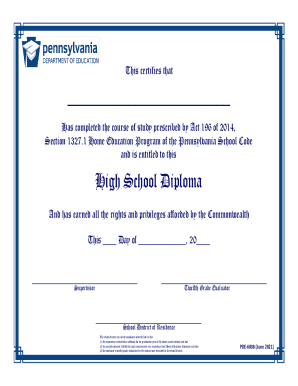
The "In Cambridge Frame" is a distinctive framework commonly used in academic and professional settings to display achievements like diplomas, certificates, or awards. It is specifically designed to offer both elegance and protection for valuable documents. The frame employs high-quality materials, resulting in durability and a professional appearance that enhances the visual appeal of the displayed items. The name hints at a traditional style possibly inspired by academic institutions in Cambridge, known for their rich heritage and high educational standards.
How to Use the "In Cambridge Frame"
Using the "In Cambridge Frame" involves several straightforward steps to ensure that your valued documents are displayed effectively. First, position the document centrally within the frame to maximize visual impact. Ensure the backing board holds the document securely in place by utilizing any provided fasteners or clips. If matting is part of the frame package, align it carefully around the document's edges to enhance presentation. This framing process not only protects the document but also elevates its prominence in an office or academic environment.
Steps to Complete the "In Cambridge Frame" Assembly
-
Prepare Your Workspace: Clear a flat, clean surface to work on, ensuring no dust or debris that might damage the document.
-
Open the Frame: Carefully remove the backing of the frame if it is not preset, taking care not to scratch or damage the frame surface or glass/plastic cover.
-
Position the Document: Place it face-up on the frame's backing or matting, aligning it centrally to ensure even borders.
-
Secure the Document: Use any clips, corners, or fastening devices included with the frame kit to hold the document in place.
-
Close the Frame: Gently refit the backing into place, ensuring it is secure and that the finished assembly is dust-free. Check alignment through the front of the frame.
Important Terms Related to the "In Cambridge Frame"
- Matting: A border placed around a document within the frame. It serves both an aesthetic and protective function.
- Backing Board: The component that holds the document in place within the frame; crucial for securing the contents.
- Fasteners: Clips or devices used to seal the document into the frame securely.
- Glazing: Refers to the glass or acrylic front of the frame that protects the document.
Key Elements of the "In Cambridge Frame"
Key elements that define the "In Cambridge Frame" include robustness, aesthetic appeal, and the quality of materials used. The frame usually features premium wood or metal, offering varied finishes like mahogany or black lacquer. Often, the frame incorporates UV-resistant glass or acrylic to prevent document fading. The craftsmanship focuses on precision in joinery and finishes, ensuring that the frame not only protects but enhances the appearance and longevity of the displayed document.
Who Typically Uses the "In Cambridge Frame"
The "In Cambridge Frame" is typically used by individuals or institutions aiming to showcase prestigious achievements. These users include graduates displaying diplomas, offices exhibiting certifications, or museums presenting academic accolades. Its design suits environments where formality and tradition are valued. Businesses and educational institutions alike prefer these frames for boardrooms, lobbies, and offices, displaying success and fostering an environment of excellence and achievement.


Examples of Using the "In Cambridge Frame"
The "In Cambridge Frame" finds applications in several settings:
- Colleges and Universities: Used to display diplomas in professors' offices or in alumni centers.
- Corporate Offices: Framed certifications or awards are displayed in meeting rooms and personal offices, enhancing professional ambiance.
- Museums and Exhibitions: Used to exhibit historical or honorary documents with an academic or professional focus, preserving historical accuracy.
Legal Use of the "In Cambridge Frame"
From a legal standpoint, the use of the "In Cambridge Frame" is unrestricted. However, the presented document must be authentic and verifiable, especially when used within professional or academic settings. For academic achievements, institutions may require that only officially issued documents be framed and displayed. Similarly, certifications and licenses must be valid and up-to-date, as their display is often a representation of expertise or authority in a given field.