



Definition and Meaning of EMPLOYEE APPLICATION
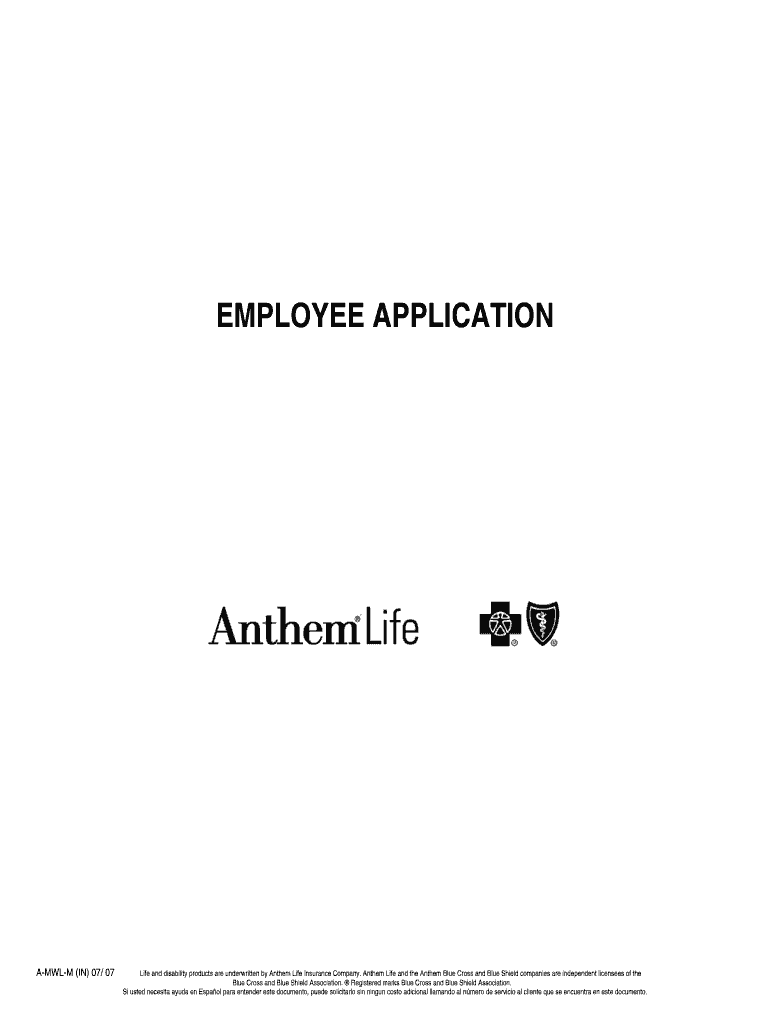
An Employee Application is a formal document used by applicants seeking enrollment in specific insurance programs, such as life and disability insurance provided by companies like Anthem Life Insurance Company. This form serves as a comprehensive record where the applicant submits essential data including personal details, employment history, and medical background. It comprises sections for employer information, applicant particulars, dependent information, coverage options, medical queries, beneficiary designations, and authorizations. The Employee Application not only initiates an individual's application process but also equips the insurance provider with necessary insights to evaluate eligibility and coverage qualifications.
Steps to Complete the EMPLOYEE APPLICATION
-
Gather Required Information: Before filling out the form, ensure that you have your personal information, employment details, and any medical history documentation handy. This may include your Social Security number, employment tenure, and medical records that could influence your insurance eligibility.
-
Enter Personal Information: Begin by entering your full name, address, and contact information. Ensure accuracy as this information provides a primary point of contact for insurers.
-
Provide Employment Details: Detail your current employer, role, income, start date, and any other relevant employment history that may pertain to your insurance coverage.
-
Include Dependent Information: If the insurance coverage extends to family members, include their names, relations, and any specific information that pertains to their health or coverage requirements.
-
Select Insurance Coverage: Specify the type of insurance coverage you are applying for, such as life or disability insurance, and any additional modules or options offered.
-
Answer Medical Questions: Answer the health-related questions honestly. This may involve providing information about past medical treatments, current conditions, medications, or lifestyle factors like smoking.
-
Designation of Beneficiary: Assign a beneficiary for life insurance options. Include their full name and relation to you, and ensure this section aligns with your intentions and legal requirements.
-
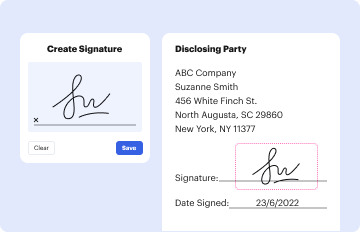
Sign and Authorize: Read through the terms, policies, and legal disclaimers before signing the document. The signature authorizes the insurer to process your information as stated.
Key Elements of the EMPLOYEE APPLICATION
-
Personal Information: Foundational data including the full name, address, date of birth, and social security number.
-
Employer Details: Information about the applicant’s current place of work, position, income, and employment status.
-
Coverage Selections: Options available for selection such as various life insurance plans, disability coverage, and any add-ons.
-
Medical History: In-depth questions regarding the applicant's health, past treatments, conditions, and current medications to assess risk factors.
-
Beneficiary Designation: Space to nominate individuals to receive benefits upon the insured’s passing, typically requiring full identification details.
-
Authorizations: Includes consent for data processing, sharing with relevant parties, and other necessary legal permissions.
Legal Use of the EMPLOYEE APPLICATION
The Employee Application must adhere to legal standards and ethical guidelines to ensure the integrity and privacy of applicant data. The form includes necessary legal disclaimers regarding insurance fraud, specifying that any intentional misinformation may result in penalties or nullification of coverage. It reinforces the obligations of both the applicant and insurer, ensuring that all information provided will be used lawfully and exclusively for the intended insurance purposes. Understanding these legalities is crucial for applicants, affirming that they receive transparent and fair treatment throughout the insurance process.
How to Obtain the EMPLOYEE APPLICATION
An Employee Application can often be obtained through several channels:
-
Direct from Employer: Many employers provide the necessary forms as part of the employee benefits package.
-
Online via Insurance Provider Website: Insurance companies, such as Anthem Life Insurance Company, may offer downloadable forms on their websites.
-
HR Departments: Employees can request a copy from the Human Resource department within their organization.
-
Insurance Agents: Licensed insurance agents and brokers can provide and explain relevant application forms.
Software Compatibility for EMPLOYEE APPLICATION
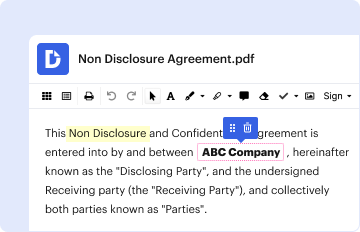
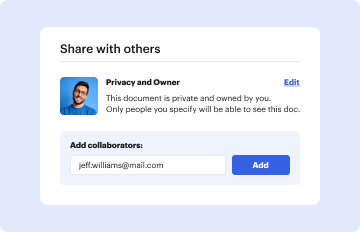
In the digital age, completing the Employee Application can be facilitated by various software platforms. DocHub provides tools that allow for editing, signing, and sharing such forms. Users can import the form in diverse file formats such as PDF, DOC, or TXT and use DocHub’s comprehensive editing suite to fill out the form. Additionally, the platform’s integration with Google Workspace simplifies the process, permitting direct import/export between DocHub and Google Drive or Gmail. This capability enhances user experience by minimizing file handling hassles.
Penalties for Non-Compliance with EMPLOYEE APPLICATION
Failure to accurately or truthfully complete the Employee Application can result in several consequences:
-
Denial of Coverage: Inaccurate information may lead to denial of the insurance application or revocation of issued insurance policies.
-
Legal Action: Knowingly providing false information can result in legal repercussions for insurance fraud, which might include fines or criminal charges.
-
Financial Loss: Incorrect application processing could delay coverage onset, leading to periods without insurance protection, possibly incurring unforeseen medical expenses.
Who Typically Uses the EMPLOYEE APPLICATION
The Employee Application is predominantly used by individuals employed in organizations that offer life and disability insurance benefits. This includes:
-
Full-Time Employees: Typically offered as part of a comprehensive benefits package to safeguard against life and health uncertainties.
-
New Hires: Often required upon joining a company to enroll in the employer’s insurance plans.
-
Existing Employees During Open Enrollment: A platform to make changes or opt into additional coverage as circumstances change.
-
HR Professionals: To facilitate employee enrollment and ensure documentation adherence for insurance benefits.
These personnel rely on the application to bridge the gap between employee benefits and coverage accessibility, ensuring that every eligible individual receives appropriate insurance protection.