Definition and Meaning of Lending Money
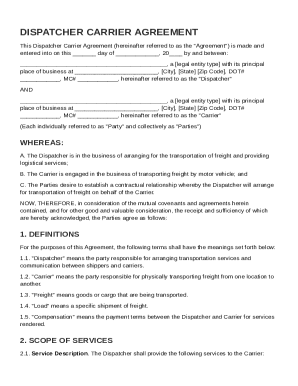
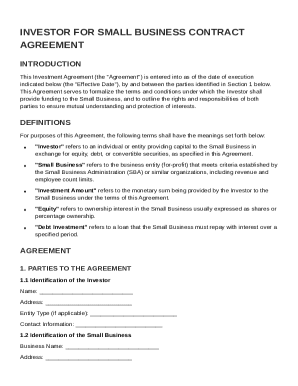
Lending money involves providing financial resources temporarily to another party with the expectation that the amount will be returned with interest. Lenders can be individuals, financial institutions, or organizations that have the capacity to provide this financial assistance. The terms and conditions under which the money is lent, including interest rates and repayment schedules, are typically formalized in a contract or agreement.
Interest and Repayment Terms
- Interest Rates: These are the cost of borrowing money, typically expressed as a percentage of the amount borrowed.
- Repayment Schedule: This outlines when and how the borrower will repay the loan, including the frequency and size of payments.
Typical Lenders
- Banks and Credit Unions: Offer a range of loan products including personal loans, mortgages, and business loans.
- Peer-to-peer Lenders (P2P): Allow individuals to lend money directly to other individuals through online platforms.
Steps to Complete a Lending Agreement
Completing a lending agreement involves several key steps to ensure legality and clarity for both the lender and borrower.
- Draft the Loan Agreement: Include details such as the loan amount, interest rate, repayment terms, and consequences of default.
- Legal Review: Have both parties review the document, ideally in consultation with a legal advisor, to ensure it meets legal requirements and the needs of both parties.
- Signing the Agreement: Both parties should sign the document to formalize the agreement.
- Funds Disbursement: Once the agreement is signed, disburse the loan amount to the borrower.
Common Pitfalls
- Vague Terms: Ensure that all terms are clearly defined to avoid misunderstandings.
- Missing Documentation: Keep records of all signed agreements for future reference.
Key Elements of a Lending Agreement
When drafting or reviewing a lending document, certain elements are essential to ensure clarity and enforceability.
Critical Components
- Loan Amount: The principal sum that is being borrowed.
- Interest Rate: Clearly state whether it is fixed, variable, or compounded.
- Payment Details: Schedule and methods of payment, including due dates.
Borrower and Lender Information
- Identification: Full names, addresses, and contact information of both parties.
- Signatures: Both parties must sign the document for it to be valid.
Legal Use of Lending Agreements
Lending agreements serve a vital role in specifying the legal obligations of both parties in a loan transaction. The contract must align with relevant laws and regulations to be enforceable.
Compliance Considerations
- Usury Laws: These laws regulate the maximum amount of interest that can be charged on a loan.
- Truth in Lending Act: Lenders must disclose all terms in a transparent manner.
Enforceability
- Default Clauses: Outline what constitutes a default and remedies available to the lender.
- Jurisdiction: Specify which state's laws govern the agreement to ensure legality.
State-Specific Rules for Lending
Different states in the U.S. have specific rules and regulations governing the lending process. Understanding these can prevent legal issues.
General Rules
- Maximum Interest Rates: State laws may dictate how much interest can be charged.
- Licensing Requirements: Some states require lenders to hold specific licenses.
Variations by State
- California: Has stringent laws on consumer rights and disclosures.
- New York: Offers strong protections against predatory lending practices.
Required Documents for Lending Transactions
To complete a lending transaction, certain documents are required to ensure legality and mutual understanding.
Essential Documentation
- Loan Application: Provides basic information about the borrower and the purpose of the loan.
- Credit Report: Often required by lenders to assess the borrower's financial reliability.
Advanced Documentation
- Collateral Agreements: If the loan is secured, documentation of the collateral is necessary.
Penalties for Non-Compliance
Failing to adhere to lending agreements or legal requirements can result in significant penalties for either party.
Common Penalties
- Fines: Monetary penalties imposed on lenders who violate usury laws.
- Legal Action: Borrowers who fail to repay loans may face lawsuits or wage garnishment.
Avoiding Non-Compliance
- Regular Reviews: Conduct periodic reviews of loan agreements to ensure ongoing compliance.
- Legal Counsel: Engage attorneys to review agreements and advise on legal issues.
Digital Versus Paper Versions of Lending Documents
With technological advancements, lending documents are now available in both digital and paper formats, each with its own advantages.
Digital Documents
- Advantages: Improved accessibility, ease of sharing, and storage efficiency.
- Considerations: Ensure digital documents are secured with encryption to protect sensitive data.
Paper Documents
- Advantages: Provide a tangible record that is perceived as more credible by some parties.
- Considerations: Require physical storage space and are more prone to loss or damage.