




Definition & Meaning
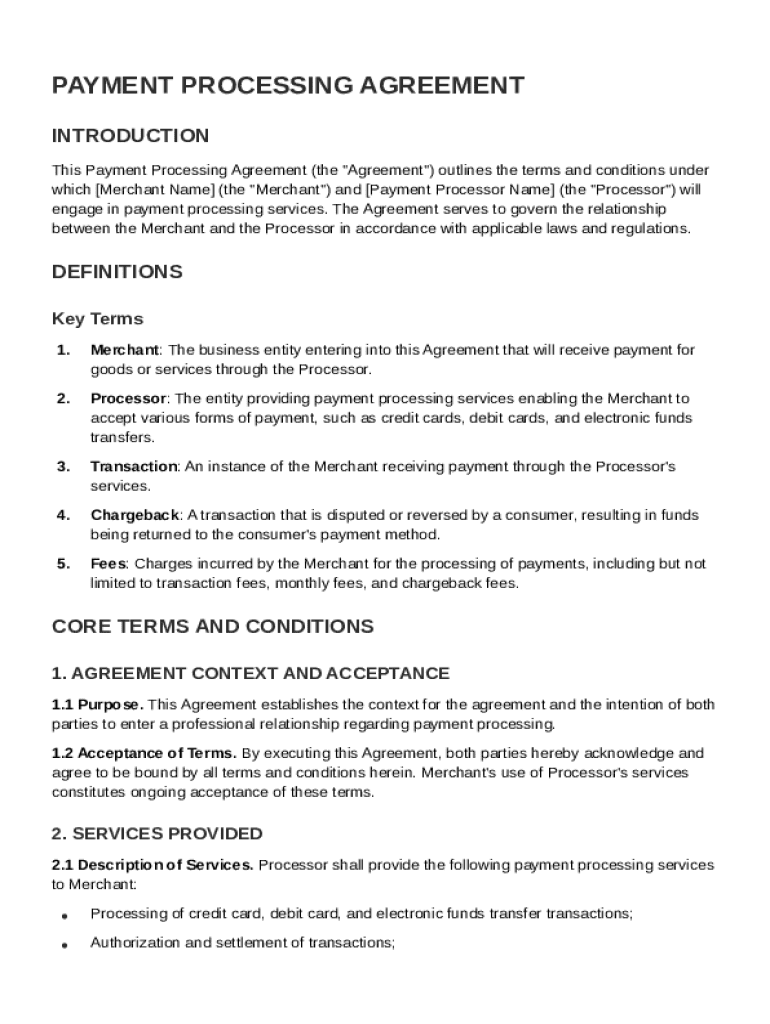
The Payment Processing Agreement Template is a standardized document that defines the terms and conditions between a merchant and a payment processor for payment processing services. This template is essential for clearly outlining the responsibilities and obligations of both parties involved. Within the agreement, key terms are defined to ensure mutual understanding, covering aspects such as the fee structure, compliance with regulations, and security protocols. The document also includes provisions for the management of chargebacks and dispute resolution, setting the foundation for a cooperative relationship between the merchant and the payment processor.
How to Use the Payment Processing Agreement Template
Using a Payment Processing Agreement Template involves several steps to ensure it appropriately fits the needs of the parties involved. First, both parties should thoroughly review the template, ensuring each section accurately reflects their agreed terms. Importantly, they must tailor sections such as fee structures and specific responsibilities to reflect the unique aspects of their partnership. Next, parties should verify that the agreement complies with industry standards and legal requirements. After customizing the template, both parties must review it together to verify accuracy and completeness. Finally, signatures from authorized representatives on both sides bind the agreement, cementing the terms into a legal contract.
Key Elements of the Payment Processing Agreement Template
The Payment Processing Agreement Template includes several key elements crucial for establishing a clear relationship between merchants and payment processors. These include:
- Fee Structure: Details on transaction fees, monthly charges, and any other associated costs.
- Obligations and Responsibilities: Outlines each party's duties, including transaction processing, system maintenance, and data security.
- Security Measures: Specifies encryption, authentication protocols, and compliance with payment industry standards like PCI DSS.
- Dispute Resolution Mechanisms: Processes for addressing disagreements, including chargeback management and arbitration the steps.
- Termination Conditions: Clear guidance on how either party can terminate the agreement, including required notices and circumstances.
These elements ensure a comprehensive understanding and management of the payment process, safeguarding both parties' interests.
Legal Use of the Payment Processing Agreement Template
The legal use of a Payment Processing Agreement Template requires that it comply with all relevant United States laws and regulations. Parties must ensure adherence to federal guidelines, such as the Gramm-Leach-Bliley Act, which governs customer data privacy, and the ESIGN Act for electronic agreements and signatures. The agreement should reflect the current legislation, such as state-specific differences in handling electronic funds transfer activities. Legal counsel can be beneficial to review the template and ensure all jurisdictions applicable to the merchant and payment processor are covered. User compliance with industry-specific regulations, such as PCI DSS, enhances the agreement's enforceability.
Steps to Complete the Payment Processing Agreement Template
Completing the Payment Processing Agreement Template involves several methodical steps:
- Initial Review: Carefully read through the entire template to understand the included provisions.
- Customization: Modify sections to reflect the specifics of the engagement, such as fees, obligations, and dispute processes.
- Compliance Check: Ensure the document aligns with applicable federal and state regulations and industry standards.
- Mutual Review: Engage in a review session with the payment processor or merchant to confirm that all terms satisfactorily meet the needs and expectations of both parties.
- Final Edits: Make the necessary alterations based on the mutual review session to capture all agreed changes.
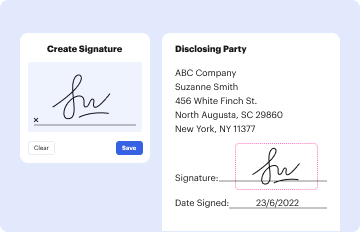
- Signature Collection: Secure signatures from authorized representatives to make the agreement legally binding.
Completing these steps ensures that the document is tailored and legally defensible for use.
Who Typically Uses the Payment Processing Agreement Template
Payment Processing Agreement Templates are mainly used by businesses seeking to engage with payment processors for handling credit card and digital payment transactions. Entities such as retail businesses, e-commerce platforms, and service providers often rely on these templates to streamline their payment processing operations. Payment processors themselves, like banks or third-party vendors, use these templates to standardize their offerings to merchants. Both small start-ups and large enterprises can benefit, with the template tailored to fit the size and complexity of the operation, ensuring comprehensive coverage of the payment process.

Important Terms Related to Payment Processing Agreement Template
Understanding the key terms within a Payment Processing Agreement Template is vital for clarity and effective operations. These terms often include:
- Merchant: The business entity that sells goods or services and receives payments through payment processing.
- Processor: The company that manages transactions between the merchant and the banking system.
- Interchange Fees: Costs charged by banks for transaction processing, typically passed through by the processor.
- Batch Processing: Charging or authenticating card transactions processed at the end of a business day.
- Chargebacks: Transactions reversed by a bank, often due to customer disputes.
Familiarity with these terms ensures effective utilization and negotiation of payment processing agreements.
Versions or Alternatives to the Payment Processing Agreement Template
While the standard Payment Processing Agreement Template is widely used, there are versions and alternatives based on specific needs or industry practices. Some businesses prefer templates that emphasize certain aspects like data privacy or enhanced fraud protection, depending on their operational context. Others might seek templates that integrate seamlessly with their ERP or CRM systems, enhancing their technology stack's efficiency. Moreover, open-source templates provide a starting point for companies wanting more control over customization. Businesses must choose the template that best matches their operational and legal requirements, while being compliant with industry standards and practices.